How to Choose the Best Lead Acid Battery in 2026?

Choosing the best lead acid battery in 2026 starts with the job it must do. A car starter needs a brief, strong current on a cold morning. A backup power system needs dependable energy over longer periods. The right choice depends on use, charging conditions, temperature, and available space—not just price.

The U.S. Environmental Protection Agency describes lead-acid batteries as one of the most recycled consumer products, with a recycling rate above 99% in the United States. Battery Council International also highlights the established collection and recycling network behind these batteries. These figures describe recycling, not battery lifespan or performance. That distinction matters. A recyclable battery can still be the wrong fit.

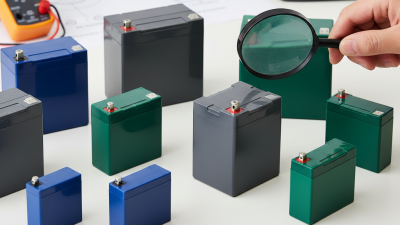
This guide compares flooded, AGM, and gel designs using practical checks: cold-cranking amps, reserve capacity, amp-hour rating, dimensions, terminal layout, and charging compatibility. Check the date code, too. A battery that has sat on a shelf may not offer the same value as a fresh one. Temperature matters. So does the vehicle’s charging system. Published specifications help narrow the options, but they cannot predict every real-world result. Labels may use different test conditions, and a higher number does not always mean a better match. A careful choice begins with the manufacturer’s requirements and ends with a realistic look at how the battery will be used.
How to Choose the Best Lead Acid Battery in 2026?

Identify the Application and Power Requirements

Start by identifying what the battery must do. An engine starter needs a brief, high-current burst; a solar system or mobility device needs steady energy over longer periods. Backup power has a different demand: it may sit unused, then must support a defined load for several hours. That distinction matters. Note the battery voltage, peak current, daily energy use, and required runtime before comparing capacity ratings. Measure twice.

Estimate energy by multiplying each device’s watts by its operating hours, then add the results. For example, a 100-watt load running for four hours uses 400 watt-hours. At 12 volts, that is about 33 amp-hours before losses or reserve capacity. An inverter, cold conditions, and battery aging can increase the capacity needed. Lead-acid batteries also lose service life when regularly discharged deeply, so use the manufacturer’s discharge guidance and leave a practical margin. A neat calculation can still miss real-world cycling. Check whether the load runs continuously, starts intermittently, or has a sharp surge; those details can change the suitable battery type and size.

Compare Flooded, AGM, and Gel Battery Designs

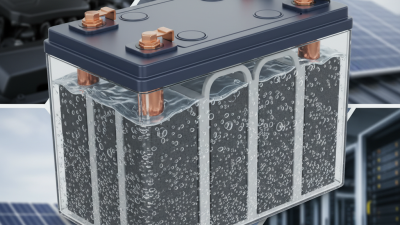
Choosing a lead-acid battery in 2026 means matching its design to your routine, charger, and installation space. Flooded batteries use liquid electrolyte and usually cost less upfront. They suit ventilated areas where you can keep the battery upright and check its water level. That maintenance is easy to overlook. A dusty workshop shelf can make inspection even less appealing.

AGM batteries hold electrolyte in glass-fibre mats, so they resist spills and need no routine watering. Many models accept charge faster than comparable flooded batteries, but check the manufacturer’s specifications. They can work well in vehicles or backup systems with limited maintenance access. They still need a compatible charging profile and adequate ventilation. “Sealed” does not mean indestructible.

Gel batteries use a thickened electrolyte and can suit steady, deep-cycle use when the system is designed for them. Their charging voltage must be controlled carefully; an unsuitable charger can shorten service life. Compare the battery’s capacity at the expected discharge rate, not just its headline amp-hour figure. Then check dimensions, terminal layout, and operating temperature. A small mismatch can turn a promising choice into a frustrating one.

Evaluate Capacity, Voltage, and Cycle-Life Ratings

Choosing the best lead-acid battery in 2026 starts with matching its ratings to the real load. Check voltage first: a 12-volt system needs a battery and charger designed for that nominal voltage. Capacity, measured in amp-hours (Ah), estimates how much current a battery can supply over a stated period. A 100 Ah rating at a 20-hour rate does not guarantee 100 Ah when a device draws power quickly. High current can reduce usable capacity.

Cycle life describes how many charge-and-discharge cycles a battery may complete before its capacity falls to a specified level. Compare ratings only when the test conditions are similar, including discharge depth, temperature, and charging method. A battery discharged gently may last longer than one regularly drained deeply. The comparison is imperfect; real temperatures and charging habits vary. Check whether the rating reflects your expected use, not just the most attractive figure.

Tips: Leave a capacity margin for cold conditions or unexpected loads. Confirm the charger matches the battery type, such as flooded, AGM, or gel. Keep notes on runtime and recharge time after installation. Small details matter. A label alone cannot predict performance in your setup.

Check Compatibility, Charging Needs, and Operating Conditions

How to Choose the Best Lead Acid Battery in 2026?

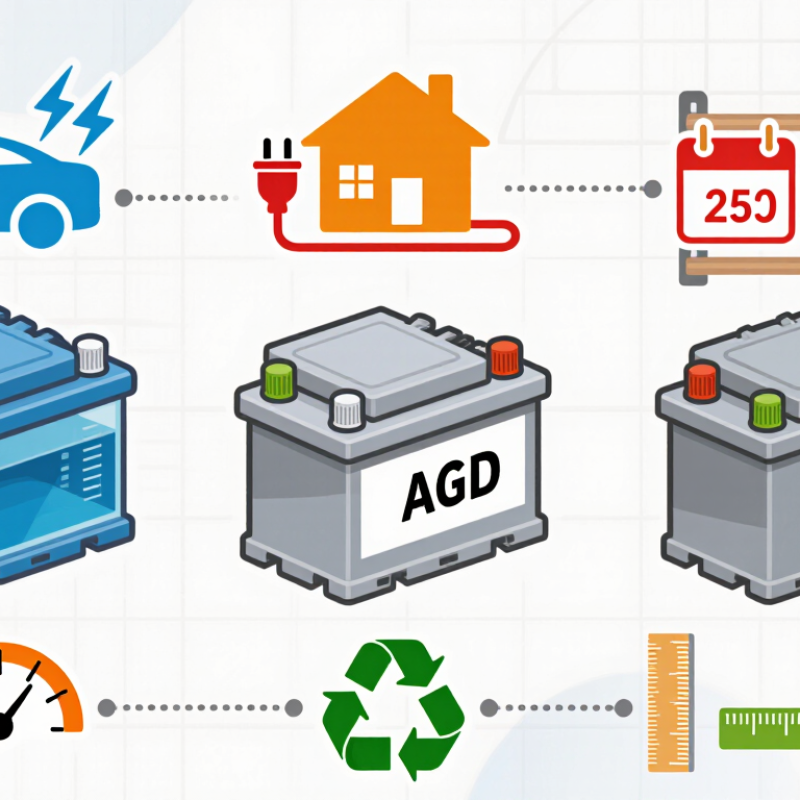
Start with the equipment, not the price. Check the battery’s voltage, case dimensions, terminal layout, and required capacity against the equipment manual. For engine starting, compare cold-cranking amps; for backup loads, check amp-hour capacity and runtime at the specified discharge rate. A large capacity number alone can mislead. Confirm the battery type, too: flooded, AGM, and gel batteries may need different charging settings. Fit matters.

Use a charger profile approved for the battery’s chemistry and voltage. Check the battery datasheet for absorption voltage, float voltage, and temperature compensation; do not assume one setting suits every model. Heat can accelerate water loss and aging, while cold reduces available starting power. Leave room for airflow, especially around flooded batteries, and keep terminals clean and firmly connected. Small details count.

Operating conditions should match the battery’s intended duty. A vehicle with frequent short trips may not fully recharge between starts, while a backup battery may sit idle for weeks. Plan periodic voltage or capacity checks rather than relying on appearance. Battery Council International’s lead-battery recycling information reports a U.S. recycling rate of about 99%, but recyclability does not guarantee a good fit or long service life. That distinction is easy to overlook. Verify specifications before purchase.

Select a Battery Based on Cost, Safety, and Maintenance Needs

When choosing a lead-acid battery, compare the purchase price with the work it must do. A car that sits through cold mornings needs reliable starting power; a backup system needs dependable reserve capacity. Check the manufacturer’s specifications for your actual use, not just the lowest price or largest capacity. A cheaper battery can become expensive if it is repeatedly deeply discharged.

Safety and upkeep matter, too. Flooded batteries can release gas while charging and may spill electrolyte if tipped, so plan for ventilation, upright installation, and periodic checks. Sealed AGM or gel batteries usually need less routine attention, but they still need correct charging and inspection. “Maintenance-free” does not mean attention-free. The U.S. EPA reports that nearly all lead-acid batteries are recycled, and Battery Council International cites a U.S. recycling rate near 99%. That recovery rate is reassuring, but it does not make careless handling safe. Check terminal condition, secure the battery against movement, and follow the charger’s instructions. One caveat: needs vary more than product labels suggest, so a little extra research is worthwhile.

How to Choose the Best Lead Acid Battery in 2026? — Select a Battery Based on Cost, Safety, and Maintenance Needs

Battery Type Relative Cost Maintenance Needs Safety and Installation Best Suited For Main Trade-Off
Flooded lead-acid Low; commonly the least expensive option for comparable capacity. Serviceable models need periodic electrolyte-level checks and distilled-water top-ups. Keep terminals clean and check charging condition. Install upright in a well-ventilated area. Charging can release hydrogen; keep away from sparks and flames. Electrolyte is corrosive. Budget-conscious vehicles, backup systems, and equipment where regular inspection is practical. Lower purchase cost, but requires more routine attention and spill precautions.
Enhanced flooded battery (EFB) Low to moderate; typically costs more than a conventional flooded battery. Maintenance depends on whether the specific model is serviceable. Follow the battery label and manufacturer instructions. Retains flooded-battery precautions: provide ventilation and protect against acid contact. Confirm the vehicle’s charging-system compatibility. Vehicles with start-stop systems and applications needing more cycling than a standard flooded battery provides. Improved cycling capability over conventional flooded designs, but still needs flooded-battery handling precautions.
AGM (absorbed glass mat) Moderate to high; generally more expensive than standard flooded batteries. Sealed, valve-regulated construction normally requires no water top-ups. Keep connections clean and use a compatible charging profile. Electrolyte is held in glass mats, reducing the risk of free-liquid spills during normal use. It can still vent under overcharge or failure, so follow ventilation and installation guidance. Vehicles with higher electrical loads, many start-stop systems, and applications where reduced routine maintenance is valued. Convenient and vibration-resistant, but charging compatibility and purchase price matter.
Gel (valve-regulated lead-acid) Moderate to high; pricing varies by capacity and intended use. Sealed construction normally requires no water top-ups. Use the specified charging voltage and a charger compatible with gel batteries. Immobilized electrolyte helps reduce leakage in normal operation. The battery can vent if mischarged; follow ventilation and mounting instructions. Some deep-cycle, standby, and mobility applications when the equipment is designed for gel batteries. Low routine maintenance, but sensitive charging requirements can limit interchangeability; check suitability for high-current loads.

Selection note: Relative prices and maintenance requirements vary by capacity, construction, and model. Check the equipment manual for the required battery type, dimensions, terminal layout, and charging profile. All lead-acid batteries should be charged and installed according to their manufacturer’s safety instructions.