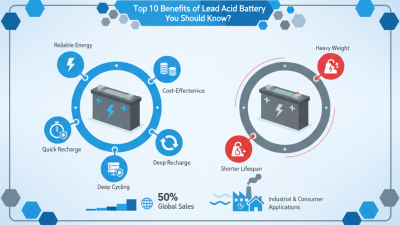
What Are the Benefits of Lead Batteries for Global Buyers?
Lead batteries play a crucial role in today's global economy. An extensive report from the International Lead Association highlights that lead batteries are among the most recycled products, with a recovery rate of over 99%. This statistic emphasizes their sustainability and economic viability. According to Dr. Sarah Johnson, a leading expert in energy storage technologies, "Lead batteries provide a blend of reliability and performance unmatched in many applications."
The benefits of lead batteries extend beyond mere recycling. They are cost-effective, and their manufacturing processes have established a vast supply chain. The market for lead batteries is projected to grow, especially in the electric vehicle sector. Their ability to deliver high power for short durations makes them ideal for various applications. However, the industry must also address concerns about potential environmental impacts during production and disposal.
As the market landscape evolves, buyers must weigh the advantages against the challenges. While lead batteries offer many benefits, continual improvements are essential to maximize sustainability. Balancing these factors will determine their future role in a greener energy narrative.

Advantages of Lead Batteries for Sustainable Energy Solutions
Lead batteries offer compelling advantages for sustainable energy solutions. Their ability to be recycled makes them an environmentally friendly option. About 99% of the lead in these batteries is recoverable, reducing waste and conserving resources. This high recyclability significantly lowers the carbon footprint associated with production.
The energy density of lead batteries is another plus. They can efficiently store large amounts of energy compared to other battery types. This is especially valuable in renewable energy applications like solar and wind projects. However, the performance can degrade over time, leading to concerns about longevity. Regular maintenance is crucial to ensure optimal performance.
Cost-effectiveness is an essential factor for global buyers. Lead batteries are often cheaper than their lithium counterparts. Despite the affordability, they have shorter cycle lives, which can lead to higher replacement frequency. Exploring these trade-offs is essential for making informed decisions in energy storage solutions.
Cost-effectiveness and Economic Benefits of Lead Batteries
Lead batteries offer significant cost-effectiveness for global buyers, especially in the energy storage sector. According to the International Lead Association, the lifecycle cost of lead batteries can be lower than alternative technologies. This is due to their high recycling rate, which can reach up to 99%. This notable recycling capability reduces waste and minimizes raw material acquisition costs.
Additionally, research by BNEF has shown that lead batteries can deliver reliable performance at lower initial investment levels. Their affordability makes them accessible to a broader range of industries. The upfront savings can positively impact businesses, allowing for greater investment in other areas of operation. However, some buyers may overlook the long-term durability of lead batteries. While they may have a shorter lifespan than some lithium-ion batteries, their lower cost can offset this drawback.
The economic benefits extend into job creation as lead battery manufacturers often have a localized supply chain. The production and recycling processes can stimulate local economies. Despite these advantages, there are challenges regarding environmental regulations that manufacturers must navigate. It is essential for buyers to weigh these complexities against the overall benefits when considering lead batteries for their operations.
Recycling and Environmental Impact of Lead Batteries
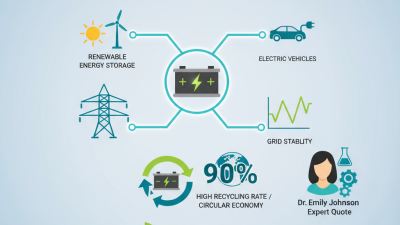
Lead batteries have been widely recognized for their recyclability, significantly reducing environmental impact. According to the International Lead Association, approximately 99% of lead batteries are recycled globally. This high recycling rate minimizes waste and ensures that valuable materials are reused in new products. The closed-loop system created by lead battery recycling contributes to a more sustainable industry.
Lead battery recycling involves the recovery of lead and other materials like plastic. The U.S. Environmental Protection Agency reports that recycled lead can be used to produce new batteries with minimal carbon emissions. This process requires less energy compared to extracting lead from ores. However, the industry faces challenges. Improper recycling practices can lead to lead contamination and associated health risks. Continuous improvement in recycling technologies is crucial to address these issues.
Despite their advantages, lead batteries have drawbacks that require ongoing attention. While they are highly recyclable, any lapses in regulatory compliance can lead to environmental hazards. Efficient recycling infrastructure is essential to maintain the sustainability of lead batteries. Balancing the benefits and risks of lead battery use remains an important consideration for the global market.
Versatility and Applications of Lead Batteries in Various Industries
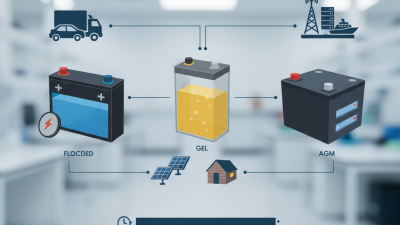
Lead batteries have gained popularity across various industries due to their versatility and reliability. These batteries excel in renewable energy storage, providing stable power for solar and wind installations. According to reports, lead batteries account for around 30% of the global energy storage market. Their ability to withstand deep cycling makes them suitable for applications where power demands fluctuate significantly.
In the automotive sector, lead batteries remain the dominant choice for starting, lighting, and ignition systems. They can deliver high surge currents to start engines efficiently. The global automotive lead-acid battery market is projected to reach approximately $40 billion by 2026. This growth is largely driven by the rising demand for electric vehicles, where lead batteries serve crucial roles. These products are known for being recyclable, with over 95% of materials from spent lead batteries being reused.
While lead batteries offer significant advantages, there are challenges. Environmental concerns regarding lead exposure are prominent. Initiatives are underway to mitigate these risks through improved recycling processes. Balancing the benefits with the need for sustainable practices remains a key area for industry reflection. Continuous advancements in technology may enhance lead battery safety and performance, ensuring they remain a vital component of modern energy solutions.
Safety and Reliability Features of Lead Batteries for Consumers
Lead batteries have long been favored by consumers for their safety and reliability. These batteries are designed with robust features that minimize risks associated with leaks and short circuits. According to a report by the International Lead Association, lead batteries have a failure rate of less than 0.1% in essential applications. This high reliability is crucial for critical systems, from emergency lighting to medical devices.
The design of lead batteries incorporates safety mechanisms. For instance, the venting system allows gases to escape safely, reducing the risk of pressure buildup. This feature is particularly beneficial in high-temperature environments. Additionally, the solid structure of lead batteries helps prevent physical damage during transit and use. Research from the Battery Council International indicates they can withstand significant abuse without catastrophic failure.
However, challenges remain. Some consumers may have concerns about the weight of lead batteries compared to newer technologies. While they offer durability, their bulkiness can be a limitation in applications requiring lightweight solutions. Furthermore, the recycling process must be managed carefully to avoid environmental impacts. Continuous innovation is essential to address these issues and enhance the appeal of lead batteries while maintaining their core benefits.
What Are the Benefits of Lead Batteries for Global Buyers? - Safety and Reliability Features of Lead Batteries for Consumers
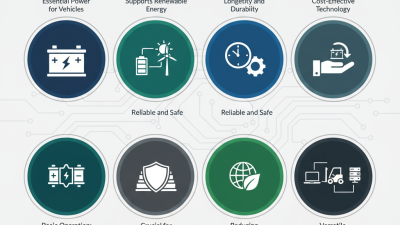
| Feature |
Description |
Benefit |
| Safety |
Lead batteries are designed with safety features to prevent leakage and minimize risk. |
Reduced risk of accidents and injuries during use. |
| Reliability |
Lead batteries have a proven track record of performance in various applications. |
Consistent power supply ensures dependable operation. |
| Recyclability |
Lead batteries are recyclable, with a high recovery rate for materials. |
Environmentally friendly choice, contributing to sustainability. |
| Cost-effectiveness |
Lead batteries are generally less expensive compared to other types of batteries. |
Low initial cost for consumers and businesses. |
| Performance in Extreme Conditions |
Lead batteries operate effectively in harsh environments. |
Suitable for a variety of industrial and outdoor applications. |
| Low Self-discharge Rate |
Lead batteries maintain charge over time even when not in use. |
Less frequent recharging needed, improving convenience. |