2026 Best Lead Battery Types for Global Buyers?

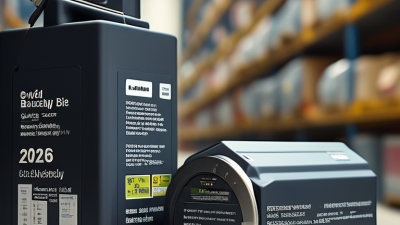
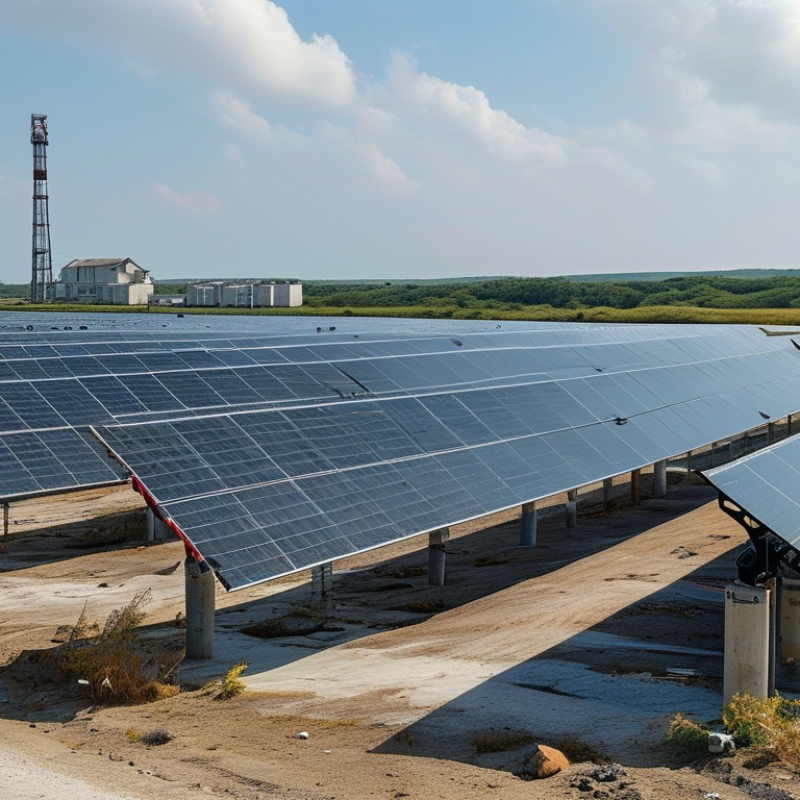
Choosing the right lead battery in 2026 requires more than comparing prices or advertised capacity. Global buyers must examine application demands, climate, charging systems, maintenance access, and recycling support. A battery operating in a dusty warehouse faces different risks from one installed beside a coastal solar array.

The main options include flooded lead-acid, AGM, gel, and enhanced flooded batteries. Flooded models often provide strong value for stationary systems, but they require ventilation and regular inspection. AGM batteries resist vibration and simplify installation. Gel batteries can perform well in deep-cycle applications, although incorrect charging may shorten their service life. EFB designs offer improved cycling capability for vehicles and backup equipment.

Experience matters here.

Battery researcher Dr. Paul Ruetschi wrote, “The lead-acid battery is still the most widely used rechargeable battery.” His observation remains relevant because proven supply chains, established recycling systems, and familiar maintenance practices support buyers across many regions. However, popularity should not replace technical evaluation.

Real purchasing decisions are less tidy. A low-cost unit may become expensive after repeated replacements. A premium battery may also disappoint when its charger is poorly configured. Buyers should request cycle-life data, temperature ratings, warranty terms, safety documentation, and independent test evidence. They should also check whether local technicians can service the selected design.

There is no universal winner. Sometimes, the obvious choice fails.

This guide compares the best lead battery types for global buyers, while recognizing an uncomfortable truth: installation conditions often matter as much as battery chemistry.
2026 Best Lead Battery Types for Global Buyers?

Lead Battery Fundamentals and Key Types Available in 2026

Lead batteries remain practical in 2026 because their chemistry is proven, recyclable, and affordable. Each cell uses a lead dioxide positive plate, a sponge lead negative plate, and sulfuric acid electrolyte. Six cells usually create a 12-volt battery. The basic design is simple, but performance depends on plate structure, separator quality, temperature, and charging control.

The main types include flooded lead-acid, AGM, gel, enhanced flooded, lead-carbon, and tubular-plate batteries. Flooded batteries often suit stationary systems with regular inspection and ventilation. AGM batteries resist vibration and require little maintenance. Gel batteries perform well in deep-cycle service, but incorrect charging can cause permanent damage. Lead-carbon designs may reduce sulfation during partial-state-of-charge operation. Tubular plates can support longer cycling in demanding applications. In practice, the categories blur. Real results depend on duty cycles, heat, storage time, and installation quality.

Tips: Check the required cycle depth, starting current, temperature range, and charging profile before purchasing. Ask for verified test data, safety documentation, recycling guidance, and production dates. Avoid comparing capacity figures alone. A low-cost battery can become expensive after frequent replacement. Measure twice. Also, small installation errors matter. Loose terminals, poor ventilation, or an unsuitable charger may shorten service life, even when the battery itself is well manufactured.

How Flooded, AGM, and Gel Batteries Differ in Design

2026 Best Lead Battery Types for Global Buyers?

How Flooded, AGM, and Gel Batteries Differ in Design

Flooded lead-acid batteries use liquid electrolyte around exposed lead plates. Gas can escape through vents during charging, so ventilation and regular water checks are essential. Their cases often include removable caps. This makes inspection simple, but spills and corrosion remain practical concerns. They suit cost-sensitive installations with trained maintenance staff and stable operating conditions.

AGM batteries hold electrolyte inside porous glass-fiber separators. The acid does not freely move when the battery is tilted. A pressure-regulated valve controls gas release under normal operation. AGM designs usually resist vibration better and charge more efficiently than flooded units. However, excessive voltage can dry the separators and reduce service life. A charger must match the battery’s specifications.

Gel batteries mix electrolyte with silica, creating a semi-solid gel between the plates. This structure reduces leakage and supports reliable operation in demanding positions. Gel units often perform well in deep-cycle applications, but they generally require slower, carefully controlled charging. Cold temperatures can also affect charging acceptance. The best choice depends on temperature, cycling depth, ventilation, and maintenance access.

A common purchasing mistake is comparing only the initial price. A cheaper flooded battery may demand more labor and water checks. A sealed design may reduce maintenance but punish incorrect charging. Some specifications look impressive on paper, yet real performance changes with heat, storage time, and installation quality. Check the manufacturer’s charge limits, terminal layout, safety instructions, and local recycling requirements before ordering.

2026 Best Lead Battery Types for Global Buyers?

How Flooded, AGM, and Gel Batteries Differ in Design

Flooded Lead-Acid
Liquid electrolyte, removable vent caps, periodic water maintenance, and good cost efficiency. It normally requires upright installation and adequate ventilation.
AGM
Absorbent glass mat immobilizes the electrolyte. The sealed, valve-regulated design offers low maintenance, strong vibration resistance, and high charge acceptance.
Gel
Silica-based gel immobilizes the electrolyte. It provides low maintenance and good deep-discharge performance, but charging voltage must be controlled carefully.

The chart shows representative midpoint cycle-life values at approximately 50% depth of discharge: flooded batteries typically range from 300–500 cycles, AGM from 400–600 cycles, and gel batteries from 500–700 cycles. Actual results vary with temperature, charging quality, discharge rate, and maintenance.

Comparing Lead Battery Performance, Cost, Safety, and Lifespan

2026 Best Lead Battery Types for Global Buyers?

In 2026, global buyers should compare performance, cost, safety, and lifespan together. The right lead battery depends on climate, load profile, charging access, and maintenance skills. Flooded batteries usually offer the lowest purchase price and strong starting performance. They need ventilation, upright installation, and regular electrolyte checks. AGM batteries cost more but resist vibration and reduce routine maintenance. Gel batteries control acid movement well, yet they require careful charging and may deliver lower peak current.

For performance, compare usable capacity rather than only the rated amp-hours. A flooded battery may provide powerful short bursts, while AGM designs often handle repeated cycling more effectively. Gel batteries can suit backup systems with steady loads. Cost per cycle matters. A cheaper purchase can become expensive after frequent replacement. In field assessments, neglected charging often caused more failures than poor battery construction. That finding is easy to overlook.

Safety depends on correct installation, charging, and ventilation. No lead battery is risk-free. Overcharging creates heat, gas, and internal damage. Use compatible chargers and secure terminals against movement. Lifespan changes sharply with temperature and discharge depth. Deep discharges, hot rooms, and long storage periods shorten service life. Buyers should request cycle data, warranty conditions, recycling arrangements, and test results from suppliers. Published cycle figures can look impressive, but real operating conditions rarely match laboratory testing. This is where judgment matters.

Choosing the Best Lead Battery for Different Global Applications

Choosing the best lead battery depends on the application, climate, and maintenance capacity. Flooded lead-acid batteries suit cost-sensitive vehicles and backup systems with regular inspection. Their electrolyte levels need checking, especially in hot warehouses.

For sealed designs, AGM batteries offer stronger vibration resistance and cleaner installation. They fit telecom cabinets, emergency lighting, and uninterruptible power systems. Gel batteries can perform well in deep-cycle solar storage, but charging must be controlled carefully. A small voltage error can shorten service life.

Not every “maintenance-free” battery is maintenance-proof.

A 2024 technical overview from Battery Council International identifies starting, lighting, and ignition batteries as the dominant automotive format, while deep-cycle designs serve renewable and industrial equipment. The U.S. Environmental Protection Agency reports a 99% recycling rate for lead-acid batteries in its latest published material-flow data. That recovery network remains a major practical advantage for global buyers.

In field inspections, temperature often matters more than the catalogue rating. High heat accelerates grid corrosion and water loss. Cold weather reduces starting performance. Buyers should compare reserve capacity, cycle life, discharge depth, and local recycling access. IEC 60896 testing data can help, but laboratory results do not perfectly predict dusty roads, unstable charging, or neglected maintenance. A cheaper battery may become expensive when replacement labor is included.

2026 Best Lead Battery Types for Global Buyers? - Choosing the Best Lead Battery for Different Global Applications

Typical technical ranges for selecting lead-acid batteries by application. Actual performance depends on design, operating temperature, charging quality, discharge rate, and maintenance.
Battery Type Construction Typical Energy Density
(Wh/kg)
Recommended Routine
Depth of Discharge
Typical Cycle Life
at 50% DoD
12 V Charging Voltage
at 25°C
Maintenance Key Advantages Best-Fit Global Applications
Flooded Starting Battery
(SLI)
Liquid electrolyte with thin plates optimized for short, high-current bursts. 30–40 10–20% 150–300 14.4–14.8 V
Typical float: 13.5–13.8 V
Regular inspection and water replacement may be required. Low initial cost, high cranking power, widely available, and easy to service. Passenger vehicles, trucks, buses, agricultural equipment, and engine starting systems.
Flooded Deep-Cycle Battery Liquid electrolyte with thicker plates designed for repeated discharge and recharge. 30–40 30–50% 300–700 14.4–14.8 V
Typical float: 13.5–13.8 V
Periodic water topping, ventilation, and equalization may be needed. Cost-effective storage, good tolerance of moderate cycling, and simple diagnostics. Off-grid solar systems, recreational vehicles, marine auxiliaries, floor machines, and low-cost backup systems.
AGM Battery
(Absorbent Glass Mat)
Valve-regulated lead-acid battery with electrolyte absorbed in glass-mat separators. 30–45 30–50% 400–800 14.4–14.7 V
Typical float: 13.5–13.8 V
Maintenance-free during normal operation; requires controlled charging and ventilation. Low gas emission, spill resistance, strong vibration tolerance, and high short-term power. UPS systems, telecom cabinets, data networks, emergency lighting, vehicles with high electrical loads, and mobile equipment.
Gel Battery Valve-regulated battery using silica gel to immobilize the sulfuric-acid electrolyte. 25–40 30–50% 500–1,000 14.1–14.4 V
Typical float: 13.5–13.8 V
Maintenance-free; must not be overcharged or exposed to excessive charging voltage. Excellent deep-cycle capability, low leakage risk, and good performance in stationary installations. Mobility scooters, medical equipment, marine systems, solar storage, electric vehicles, and remote power installations.
Tubular Flooded Battery
(OPzS)
Positive tubular plates in liquid electrolyte; commonly supplied as individual 2 V cells. 25–40 50% or less for long service life 1,200–1,800 14.4–14.8 V equivalent for a 12 V bank
Float: 13.5–13.8 V
Water replacement, ventilation, and periodic equalization are generally required. Long cycle life, robust construction, and strong suitability for daily renewable-energy cycling. Large off-grid solar plants, rural electrification, microgrids, industrial backup, and telecommunications sites.
Tubular Gel Battery
(OPzV)
Valve-regulated tubular battery with gelled electrolyte; commonly configured as 2 V cells. 25–40 50% or less for long service life 1,200–1,800 14.1–14.4 V equivalent for a 12 V bank
Float: 13.5–13.8 V
Maintenance-free; requires suitable temperature compensation and charging control. Long service life, low maintenance, low gas release, and good performance in remote locations. Renewable-energy storage, railway signaling, traffic infrastructure, telecom sites, control systems, and remote industrial facilities.
Pure Lead AGM
(Thin-Plate Design)
High-purity lead plates with AGM separators, engineered for high power and frequent partial-state-of-charge operation. 35–50 20–40% 600–1,000 14.4–14.7 V
Typical float: 13.5–13.8 V
Maintenance-free; charging equipment must follow the specified current and voltage limits. Very high power density for lead-acid technology, rapid recharge capability, and strong high-rate performance. High-performance UPS, data centers, distributed power, hybrid vehicles, frequency-regulation support, and critical infrastructure.
Selection notes: Flooded batteries generally provide the lowest purchase cost but require ventilation and maintenance. AGM batteries are a balanced choice for vibration-sensitive, indoor, and backup applications. Gel and tubular designs are better suited to repeated deep cycling, especially where maintenance access is limited. For all lead-acid types, capacity decreases at low temperatures, service life is shortened by high temperature and deep discharge, and charging voltage should be temperature-compensated according to the battery manufacturer's specification.
Safety and compliance: Lead-acid batteries contain lead and sulfuric acid. Use appropriate ventilation, personal protective equipment, spill controls, transport documentation, and end-of-life recycling procedures in accordance with the regulations of the destination market.

Global Buyer Checklist for Standards, Shipping, Maintenance, and Recycling

For 2026 purchasing, lead battery selection should begin with the application, not the lowest quotation. Flooded batteries suit ventilated sites and routine servicing. AGM batteries reduce leakage risks and tolerate vibration better. Gel batteries can support deep-cycle use, but charging settings must be exact. Confirm capacity at the stated temperature and discharge rate.

Ask suppliers for current test reports, safety data sheets, and traceable production records. Check applicable IEC, EN, UL, or national requirements for your destination. Standards can differ between industrial, vehicle, and backup applications. Do not assume one certificate covers every market. In my experience, unclear testing dates create expensive delays. Verify terminal design, pallet dimensions, weight, and protective packaging before payment.

Shipping requires accurate classification, labels, documents, and carrier approval for lead-acid batteries. Confirm whether the shipment is wet, non-spillable, or dry-charged. Customs descriptions should match the commercial invoice and packing list. Plan storage with ventilation, spill control, insulated terminals, and rotation records. Maintenance teams need voltage checks, torque inspections, temperature monitoring, and clean connections. Overcharging often shortens service life. Recycling should be agreed before delivery, using an authorized local collection route and documented chain of custody. This checklist is useful, but not perfect. Recheck local rules when regulations, ports, or battery designs change.