What Is the Best Type of Sealed Lead Acid Battery in 2026?
In 2026, the best sealed lead acid battery depends on the job it must perform. A backup unit beside a home router faces different demands from a battery powering a mobility scooter or alarm panel. Runtime, discharge depth, charging voltage, operating temperature, and available space all matter. The label alone does not tell the whole story.
Lead-acid battery scientist and author Dr. Detchko Pavlov offers a useful way to frame the choice. Paraphrasing his technical work: battery design should be judged against its intended duty, not by price or capacity alone. That distinction helps explain why AGM batteries often suit standby systems, where low maintenance and spill-resistant construction are priorities. Gel batteries may be preferable where controlled charging and steadier deep-cycle use matter. Neither type wins every comparison. Check the manufacturer’s charging limits; an incorrect setting can shorten service life.
Small details matter. A battery that fits the tray but lacks adequate reserve capacity can fail during an outage. A bargain model may also disappoint if its rated capacity assumes a gentler discharge than your equipment requires. Yet specifications do not capture every real-world condition. Installation quality, age, heat, and charging habits can shift the result. This guide compares the main sealed lead acid battery types and explains what to check before choosing one. The “best” option is usually the one that reliably meets your load, runtime, and charging needs—with a sensible margin.
How Sealed Lead Acid Batteries Are Classified
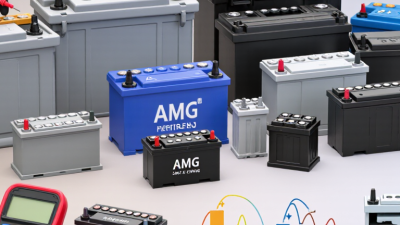
Sealed lead-acid batteries are generally classified as valve-regulated lead-acid batteries, or VRLA. Their two main types are absorbed glass mat (AGM) and gel. Both contain electrolyte in a sealed case, but they hold it differently. AGM uses a porous glass-fiber mat between the plates. Gel batteries mix silica into the electrolyte, creating a thick, immobilized material.
That difference affects real-world use. AGM batteries can deliver strong current, making them common in backup power systems and equipment that needs a quick burst. A small UPS cabinet is one familiar example. Gel batteries are often selected for steady, slower discharge, such as in some mobility or solar-storage setups. They need careful charging; excessive voltage can create gas pockets and reduce performance. Neither type is automatically best. Check the battery’s cycle rating, charging limits, temperature range, and terminal layout against the equipment. The label alone can mislead. A modest difference in charger settings matters. So does heat in a cramped enclosure. Manufacturers may classify models by intended duty, too, which complicates a simple AGM-versus-gel choice. A useful specification sheet is more reliable than the chemistry name alone.
How AGM and Gel Batteries Differ in Design
What Is the Best Type of Sealed Lead Acid Battery in 2026?
How AGM and Gel Batteries Differ in Design
AGM and gel batteries are both valve-regulated lead-acid designs, but their electrolyte is held differently. An AGM battery absorbs acid into fine glass-fiber mats pressed between its plates. A gel battery mixes silica into the acid, forming a thicker, immobilized electrolyte. Both use pressure-relief valves; “sealed” does not mean they can never vent. That matters.
This design affects real use. AGM batteries commonly support stronger short bursts of current, such as starting a motor or running a brief high-load cycle. Gel batteries can suit steady, deeper discharge, but typically need carefully matched charging voltage. Actual limits vary by model, temperature, and charger. Battery Council International’s industry fact sheet reports that about 99% of lead batteries in the United States are recycled. That figure covers lead batteries broadly, not AGM-versus-gel performance, but it shows why end-of-life planning belongs in the decision.
Tips: Check the battery’s charge-voltage limits and rated cycle-life conditions before buying. A label saying “deep cycle” is not enough; compare the specified discharge depth and temperature. I’d also measure the installation space and inspect ventilation needs. The distinction can seem small on a spec sheet, yet the wrong charging profile can shorten service life.
Which Battery Type Fits Each Application
For sealed lead-acid batteries, the right choice depends on discharge rate, temperature, and charging equipment. AGM batteries suit UPS systems, emergency lighting, and equipment needing brief, high-current bursts. Their low internal resistance helps deliver power quickly. Gel batteries are often a better fit for mobility equipment and steady, repeated discharges. They can be more tolerant of deep cycling, but usually need gentler charging. Not always an easy trade-off.
For a server-room UPS, AGM may handle sudden load changes well; check the charger’s voltage settings and ventilation requirements. For a mobility device that runs through daily cycles, gel may offer a steadier fit, provided its charging profile is supported. Small details matter. A battery placed beside a warm motor may age faster than one in a cool, ventilated enclosure. The IEEE recommended practice for stationary battery maintenance emphasizes inspection and performance monitoring, not chemistry alone. BCI’s 2023 National Recycling Rate Study reported a 99% U.S. lead-battery recycling rate. That is useful context, but it does not identify the best battery for a specific load. Measure the real runtime and peak current before choosing.
What Is the Best Type of Sealed Lead Acid Battery in 2026? — Which Battery Type Fits Each Application
Selection note: AGM and gel are the main sealed lead-acid (VRLA) battery types. No type is best for every application: compare capacity, discharge profile, expected cycle use, operating temperature, dimensions, and the manufacturer’s charging instructions. Service life and cycle life depend strongly on model, temperature, charging, and depth of discharge.
How to Compare Performance, Cost, and Lifespan in 2026
Choosing the best sealed lead-acid battery in 2026 means matching its design to the job, not chasing one universal winner. AGM batteries typically provide strong starting current and handle vibration well, making them practical for backup systems, mobility equipment, and vehicles. Gel batteries can suit slower, deep-discharge applications, but require compatible charging. Excessive voltage can shorten their service life. Small details matter.
Compare capacity, discharge performance, and cycle life using equivalent test conditions. Capacity ratings are commonly measured at a 20-hour discharge rate; heavy loads may provide less usable energy. Check the datasheet. Compare cycle-life figures at the same depth of discharge, rather than relying on headline cycle counts. Purchase price is only part of the cost. A cheaper battery may need earlier replacement if it regularly runs deeply discharged or operates in excessive heat.
For a fair lifespan estimate, consider the actual load, charging system, temperature, and expected downtime. Keep the battery within its specified charging range, and avoid leaving it discharged for long periods. A practical comparison can still be imperfect: real-world results vary with installation and use. For frequent cycling, prioritize documented cycle-life data; for standby service, check float-charge guidance and warranty terms. The best fit is the one whose verified specifications match your conditions.
Best Sealed Lead-Acid Battery in 2026: Cost vs. Cycle Life
Typical comparison for 12V, 100Ah batteries. Cycle-life figures assume approximately 50% depth of discharge; actual results vary with design, temperature, charging, and use.
How to read it: Gel and high-cycle AGM options may offer more cycles, while standard AGM is often less expensive and accepts charge quickly. Prices are indicative estimates in USD, not a market survey. Compare warranties and cycle-life ratings at the same depth of discharge before buying.
How to Choose the Best Sealed Lead Acid Battery for Your Needs
The best sealed lead acid battery depends on the job, not just its label. AGM models often suit backup systems and equipment that needs brief, higher current. Gel batteries can work well for repeated cycling, but they need a charger set for their specific profile. That detail matters. A mismatched charger can shorten battery life.
Start with the equipment’s voltage and required runtime. Then compare capacity ratings at the discharge rate your device actually uses; a rating measured over 20 hours may not predict performance under a heavy load. Check the battery’s dimensions, terminal type, and weight against the available space. A battery that almost fits can still create awkward cable strain. Easy to overlook.
Consider how the battery will be used. Standby power, such as an alarm system, differs from daily cycling in a mobility device or solar setup. Frequent deep discharges call for a model rated for cycle service. Also check the specified operating temperature, since heat can accelerate aging, while cold reduces available capacity. Sealed does not mean invulnerable: follow the charging instructions and provide the ventilation the manufacturer recommends. One imperfect rule of thumb is to buy extra capacity “just in case.” It may add cost and weight without fixing a poor charging setup.