Top 10 Types of SLA AGM Batteries for Buyers?

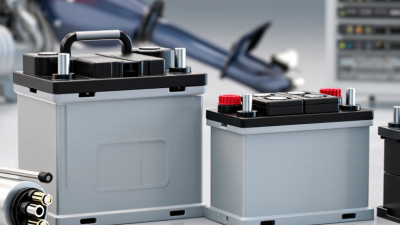
Choosing the right sla agm battery starts with the equipment, not the catalog headline. Check the required voltage, capacity, terminal layout, and available space before comparing models. AGM batteries use a glass-fiber mat to hold the electrolyte, but products can differ in construction and intended duty. Labels can mislead.

Some batteries suit standby backup in alarms, emergency lighting, and small UPS systems. Others are designed for repeated cycling in mobility equipment or off-grid systems. High-rate models prioritize brief bursts of power, while long-life versions may better suit frequent charging. Front-terminal designs can simplify access in racks. Compact batteries may fit tight enclosures, but leave little room for wiring errors.

This guide introduces ten common SLA AGM battery types and the use cases buyers may encounter. Compare published capacity and cycle-life data under matching test conditions; figures measured at different discharge rates are not directly interchangeable. Check the manufacturer’s charging limits, temperature range, and recommended maintenance practices. A battery’s listed capacity alone does not predict runtime. Real performance depends on the load, age, temperature, and charging system. That detail is easy to overlook, even in a careful comparison. Use the categories as a starting point, then confirm specifications against your device manual and the battery maker’s documentation.
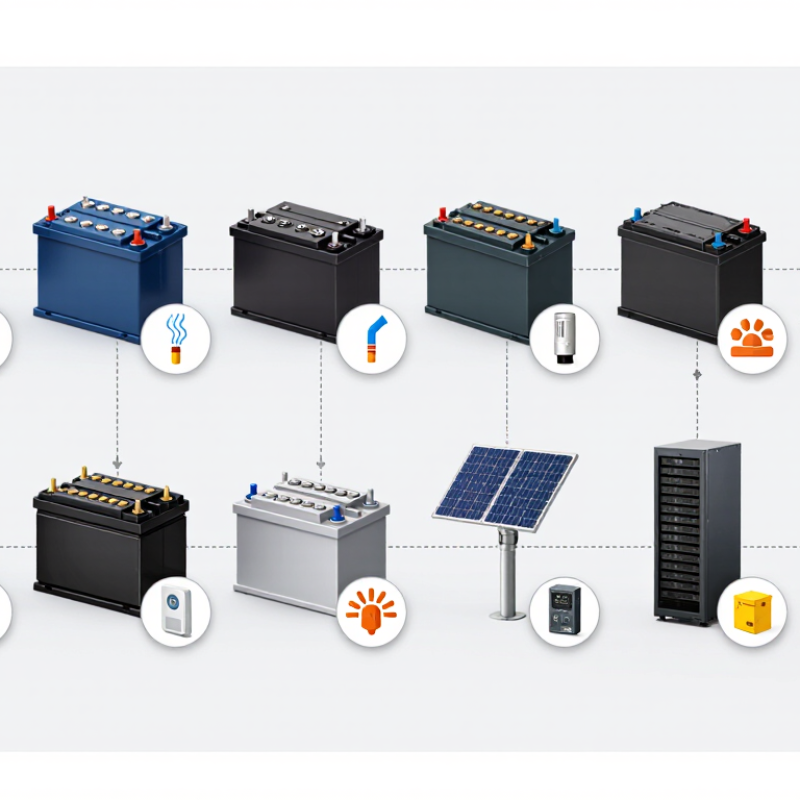
Top 10 Types of SLA AGM Batteries for Buyers?

Understanding the Design and Operation of SLA AGM Batteries

A sealed lead-acid (SLA) AGM battery stores energy through a familiar lead-acid reaction. Its electrolyte is held in fine glass-fiber mats between the lead plates, rather than moving freely as liquid. This makes the unit resistant to spills during normal use. Not spill-proof under every condition, though.

During discharge, chemical reactions at the plates produce electrical current. When a compatible charger restores the battery, those reactions reverse. A pressure-relief valve helps manage gas inside the sealed case, while recombination returns much of it to water.

The battery still needs the correct charging voltage. Too much heat or overcharging can shorten its service life.

AGM designs vary in plate layout, capacity, terminal style, and intended duty. A compact unit may power an alarm panel, while a larger model may support backup equipment or mobility devices. Check the stated capacity, usually measured in amp-hours, and compare it at the required discharge rate.

That detail matters. Capacity can fall when a battery is drained quickly or used in cold conditions. In practical maintenance, inspect connections for corrosion and follow the charger guidance supplied for the battery.

I would not assume every SLA AGM model behaves identically; labels and real operating conditions deserve a careful look.

How SLA AGM Batteries Are Classified by Form and Function

SLA AGM batteries are best classified by both physical form and intended duty. Inside each unit, absorbent glass mats hold the electrolyte between lead plates. The sealed, valve-regulated design reduces routine watering, but it does not eliminate the need for charging and inspection.

By form, buyers may encounter 2-volt cells, 6-volt blocks, and common 12-volt monobloc batteries. Compact cases fit tight enclosures, while front-terminal models make rack installation and cable access easier. Larger cell formats can suit systems designed for modular replacement. Check dimensions, terminal position, and weight against the equipment, not just the voltage.

Function creates another useful set of categories: general-purpose standby, long-life standby, deep-cycle, high-rate, and temperature-tolerant designs. Standby batteries support alarms or backup power during outages; high-rate models deliver brief bursts for demanding loads. Deep-cycle units are intended for repeated discharge, though excessive depth and poor recharging still shorten service life. Some labels overlap. Specifications vary between manufacturers, so compare rated capacity, discharge conditions, expected cycle life, and charging limits. A battery marked “maintenance-free” can still fail early if stored discharged or operated in a hot cabinet.

Top 10 Types of SLA AGM Batteries by Typical Capacity

How sealed lead-acid AGM batteries are commonly classified by form and function

Capacity ranges are representative examples, not standardized limits; actual choices vary by product size and design. Compare batteries using the specified discharge rate, since rated capacity can differ across applications.

Ten Common SLA AGM Battery Types and Their Key Features

SLA AGM batteries use glass-fiber mats to hold electrolyte, creating a sealed, spill-resistant design. The “types” below usually describe intended use or construction, not ten separate chemistries. General-purpose standby batteries suit backup alarms and small controls. High-rate UPS models deliver brief bursts during outages. Deep-cycle batteries tolerate repeated discharge better. Mobility batteries power scooters and similar equipment. Solar-storage models are designed for regular cycling, though system settings affect their service life.

Telecom batteries support backup in communication cabinets, often with front access. Security batteries are compact and commonly fit alarm panels. Emergency-lighting batteries prioritize dependable standby power and fit inside luminaires. Front-terminal batteries make rack connections easier to reach. Long-life or high-temperature models use design features intended to handle tougher conditions, but heat still shortens lead-acid battery life. Labels can overlap. A telecom battery, for example, may also be a long-life front-terminal model.

Check voltage, capacity, dimensions, terminal layout, and discharge requirements before choosing. A battery rated at 12 volts may still be too large for a narrow cabinet. Capacity figures also depend on the stated discharge rate. Fit matters. Keep charging voltage within the manufacturer’s specifications, and replace aging batteries before backup time becomes unreliable. I have seen buyers focus on capacity and miss terminal orientation; that small oversight can complicate installation. Read the datasheet, not just the category name.

Comparing Capacity, Performance, and Service Life

AGM is a valve-regulated lead-acid design, but buyers often compare duty classes: standby UPS, telecom, alarm, high-rate, deep-cycle, mobility, marine, solar, start-stop, and general-purpose units. Their amp-hour figures are not directly interchangeable. A 100 Ah C20 rating describes a slow, 20-hour discharge; a heavier load can deliver less usable capacity. Check the discharge-rate table, not just the label. Small detail. Temperature and repeated deep discharges also affect service life.

Performance depends on the job. High-rate models favor short bursts, while deep-cycle designs suit longer, repeated draws. DOE and EPRI’s Electricity Storage Handbook reports roughly 70–85% round-trip efficiency for lead-acid storage systems; actual results vary with design and operating conditions. That range is useful context, not a guarantee for an individual AGM battery.

IEEE Std 1188-2005 identifies capacity below 80% of rated value as a replacement trigger for stationary VRLA batteries. It is a maintenance threshold, not a promised lifespan. Not interchangeable. A buyer comparing service life should check warranty terms, cycle-life test conditions, and whether the stated capacity was measured at C20 or another rate. That comparison is imperfect; published figures often use different loads and temperatures.

Selecting the Right SLA AGM Battery for Your Application

Selecting an SLA AGM battery starts with the job it must perform, not the largest capacity printed on its case. Standby batteries support alarms, backup lighting, and control panels, where float charging and dependable recovery matter. Deep-cycle AGM batteries suit repeated discharge in mobility equipment, small solar systems, and portable power applications. High-rate models deliver brief bursts for UPS systems, while compact types fit tight enclosures. Fit matters. Check voltage, amp-hour rating, dimensions, terminal orientation, and cable clearance before ordering. A 12-volt label alone says little about runtime.

Estimate energy demand in watt-hours, then allow for inverter losses, battery aging, and cold conditions. A battery rated at a 20-hour discharge rate may provide less usable energy under a heavy load; compare discharge curves, not just headline capacity. Not just capacity. Confirm the charger’s AGM profile and specified voltage range, since overcharging can shorten service life. Check operating temperatures and cycle-life figures at the stated depth of discharge. For standby use, follow the manufacturer’s float-charge guidance; for repeated cycling, verify the rated cycle count. Sealed does not mean terminals need no inspection or that ventilation requirements can be ignored. The “best” type is not always obvious, because real duty cycles sometimes differ from the original plan.

Top 10 Types of SLA AGM Batteries for Buyers? — Selecting the Right SLA AGM Battery for Your Application

Battery Type Typical Applications Common Configuration Key Design Priority What Buyers Should Check
General-Purpose Standby AGM Emergency lighting, access control, and general backup systems Commonly 6 V or 12 V blocks Reliable standby power with occasional discharge Capacity at the relevant discharge rate, terminal type, dimensions, and standby charging voltage
High-Rate UPS AGM Uninterruptible power supplies and short-duration backup loads Usually 12 V blocks; configurations vary by UPS High power output over short discharge periods Discharge curves at the required backup time, battery-string layout, and UPS charging compatibility
Front-Terminal Telecom AGM Telecommunications cabinets and equipment racks Typically 12 V blocks with front-access terminals Convenient installation and maintenance in rack layouts Rack dimensions, terminal position, interconnect requirements, and specified service-life conditions
Long-Life Stationary AGM Critical standby installations, control systems, and utility backup Available in block batteries and, for some systems, individual 2 V cells Extended float-service performance under suitable conditions Design-life rating conditions, operating temperature, ventilation, monitoring, and maintenance requirements
Deep-Cycle AGM Equipment requiring repeated discharge and recharge cycles Often 6 V or 12 V; capacity depends on the model Cycle performance rather than only short-duration standby output Cycle-life data at the intended depth of discharge, recharge time, and recommended charging profile
Renewable-Energy AGM Small solar or other renewable-energy systems with battery storage Commonly 12 V blocks connected in a system-specific bank Repeated cycling and compatibility with the charge controller Expected daily energy use, allowable depth of discharge, charge settings, and temperature effects
Mobility and Traction AGM Powered wheelchairs, mobility scooters, and similar equipment Often paired 12 V batteries in systems designed for a higher voltage Cyclic operation, secure fit, and dependable power delivery Original voltage and capacity, case size, terminal orientation, and equipment-approved battery type
Marine Dual-Purpose AGM Marine systems that need both engine starting and auxiliary power Commonly 12 V batteries A balance between starting current and moderate cycling capability Required cranking rating, reserve capacity, mounting requirements, and compatibility with the vessel’s charging system
Powersports Starting AGM Motorcycles, ATVs, and other small engine-powered vehicles Often compact 6 V or 12 V batteries, depending on the vehicle Engine starting in a compact, vibration-exposed installation Vehicle-specified voltage, cold-cranking requirement, dimensions, polarity, and terminal arrangement
Alarm and Fire-Security AGM Intruder alarms, fire panels, and other low-power backup systems Commonly compact 12 V blocks; some equipment uses other voltages Standby readiness and fit within a control-panel enclosure Panel requirements, standby duration, case size, connector type, and applicable system standards

Buyer note: These categories can overlap, and product specifications are not standardized by category name alone. Confirm the required voltage, capacity at the relevant discharge rate, dimensions, terminal layout, charging profile, and cycle or standby performance against the battery and equipment documentation.