What Are the Top Batteries Delivered Globally in 2026?
What are the top batteries delivered globally in 2026? The answer depends on how “top” is measured. Shipment volume, installed capacity, energy density, safety, price, and service life can produce different leaders. This introduction frames the discussion around batteries delivered for electric vehicles, energy storage systems, consumer electronics, and industrial applications.
The analysis will compare dominant lithium-ion chemistries, especially lithium iron phosphate and nickel-rich cells. It will also examine emerging sodium-ion products and carefully assess solid-state claims. Manufacturer reports, regional delivery data, independent market research, and public production figures will provide the evidence base. Real-world details matter, such as factory output, vehicle installations, containerized storage projects, and battery performance after repeated charging.
No ranking is perfectly clean. Some companies report shipments differently, while regional figures may overlap. Forecasts can also become outdated quickly. A battery announced in January may not reach large-scale customers before December. That distinction matters. The review will separate confirmed deliveries from projected capacity and promotional language. It will consider cost per kilowatt-hour, thermal management, recycling pathways, warranty terms, and supply-chain resilience. These factors reveal why the highest-volume battery is not always the best technical choice. Some conclusions may remain provisional. The global market is changing too quickly for absolute certainty, but transparent comparisons can still identify the most influential battery technologies and suppliers shaping 2026.
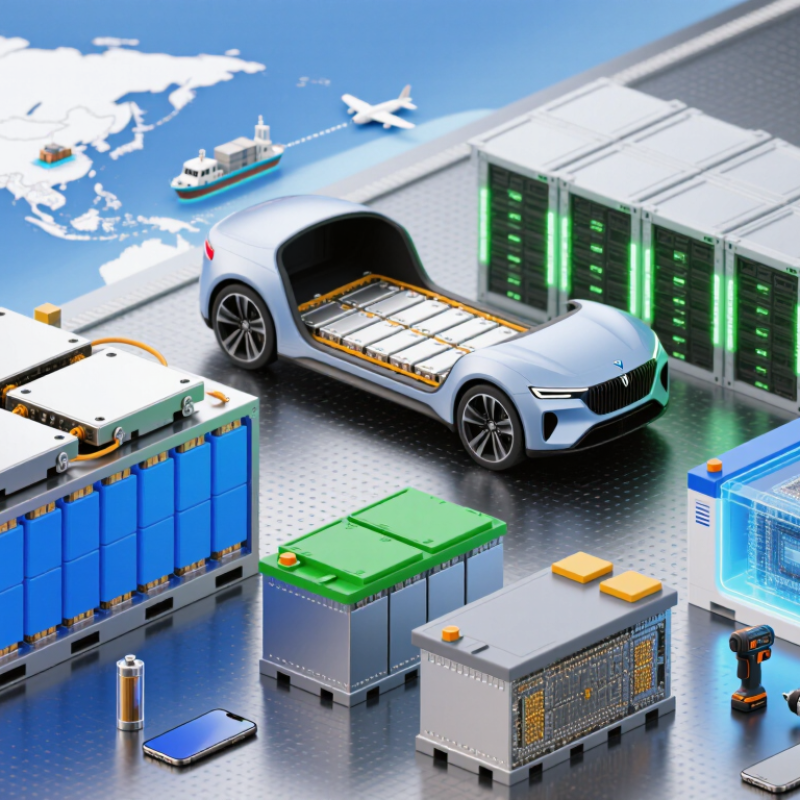
Battery Delivery Metrics and Global Market Scope in 2026
What Are the Top Batteries Delivered Globally in 2026?
Battery delivery rankings in 2026 should focus on shipped gigawatt-hours, not factory announcements. Public datasets remain fragmented. The ranking is provisional. The International Energy Agency reported that global electric-vehicle battery demand exceeded 1 TWh in 2024. It also projects demand above 3 TWh by 2030. This growth supports strong deliveries across passenger vehicles, buses, commercial fleets, and energy storage systems.
Lithium iron phosphate batteries remain central to volume markets because they offer lower material costs and strong cycle durability. Nickel-based chemistries still serve applications requiring higher energy density and longer driving range. Sodium-ion batteries are gaining attention, but their global delivery volume remains much smaller. BloombergNEF’s 2024 Battery Price Survey placed the average lithium-ion pack price at 115 dollars per kWh. It also reported lower average costs for LFP packs than nickel-based alternatives. That difference increasingly influences procurement decisions.
Delivery metrics need more discipline. Reports may count cells, packs, or installed capacity, producing different rankings. SNE Research, the IEA, and BloombergNEF use different coverage and reporting methods. Direct comparisons can therefore mislead. A better 2026 assessment should track monthly GWh, chemistry share, regional installation, and confirmed end-market deliveries. Some published figures may later change. That uncertainty deserves visibility.
Top Battery Manufacturers and Their Global Deliveries
Top Battery Manufacturers and Their Global Deliveries in 2026
Global battery leadership in 2026 is measured by delivered and installed capacity, not factory output alone. SNE Research reported about 876 GWh of electric-vehicle battery usage worldwide in 2024, up 27.2% year over year. The International Energy Agency also recorded more than 1 TWh of EV battery demand during 2024. These figures show the market’s scale, but they do not create a perfect manufacturer ranking.
The leading Chinese suppliers continue to dominate global deliveries, supported by large domestic EV production and competitive lithium-iron-phosphate cells. Their strongest shipments serve compact cars, buses, and energy-storage projects. South Korean suppliers remain important in nickel-rich battery systems, especially for longer-range vehicles. Japanese suppliers retain technical influence through cylindrical cells and hybrid applications. However, rankings can change when analysts count exports, installed capacity, or total cell shipments. I may be overreading shipment totals if those definitions are mixed.
Tips: Compare delivery data with usable capacity, chemistry, geography, and customer concentration. Check SNE Research, the IEA Global EV Outlook, and Benchmark Mineral Intelligence before trusting a league table. A battery maker with fewer gigawatt-hours may still have stronger margins or better recycling access. That detail is often missed.
Major Regional Markets and Battery Deployment Trends
Battery deliveries in 2026 are shaped by regional demand, not global volume alone. East Asia remains a major production and deployment center, supported by electric vehicles, energy storage, and mature supply networks. Europe is adding batteries for renewable integration, though permitting and grid connections remain slow. North America shows strong demand for domestic manufacturing and utility-scale storage. Public shipment figures still vary by definition.
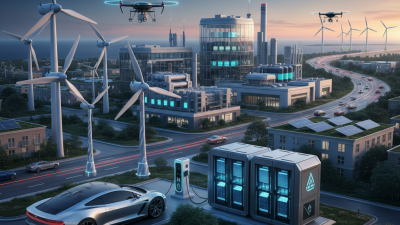
Demand is uneven. In India and Southeast Asia, two-wheelers, buses, and backup systems influence battery growth. Hot climates increase cooling needs and can reduce operating efficiency without careful thermal management. Across the Middle East and Africa, solar-plus-storage projects are expanding where grid reliability is limited. Containerized systems often arrive near substations, mines, and remote communities.
Lithium iron phosphate batteries are gaining attention because they balance cost, durability, and safety. High-nickel chemistries still serve applications requiring greater energy density. Sodium-ion systems are entering selected markets, especially where lower material costs matter more than compact size. Battery deployment is also becoming more software-managed, with operators monitoring temperature, state of charge, and degradation remotely. Data still moves. Recycling capacity is growing, but collection systems remain inconsistent across regions. A practical weakness persists: some projects prioritize low purchase prices over lifetime performance. That choice can create higher replacement costs and more difficult maintenance later. Wetter climates, extreme heat, and limited technician access also deserve stronger planning.
What Are the Top Batteries Delivered Globally in 2026? - Major Regional Markets and Battery Deployment Trends
Global battery delivery outlook by chemistry, application, regional market, and deployment trend
Note: 2026 figures are market estimates and outlook ranges compiled from publicly reported industry trends. They represent battery shipments or deployments, not vehicle registrations or raw-material production.
| Regional Market |
Leading Battery Type |
Primary Deployment |
Estimated 2026 Deliveries (GWh) |
Indicative Global Share |
Key Deployment Trend |
| East Asia |
LFP and high-nickel lithium-ion |
Passenger EVs, commercial vehicles, and grid storage |
400–470 |
38%–42% |
Largest integrated battery market, with strong LFP adoption and rapid stationary-storage expansion. |
| Europe |
LFP and nickel-manganese-cobalt lithium-ion |
Passenger EVs, electric buses, and residential storage |
115–145 |
11%–13% |
Demand is supported by vehicle electrification, renewable integration, and increasing local supply-chain capacity. |
| North America |
LFP, nickel-manganese-cobalt, and lithium-ion stationary systems |
Utility-scale storage, passenger EVs, and commercial fleets |
175–225 |
17%–20% |
Grid-scale storage is growing quickly as solar and wind capacity increases and power systems require more flexibility. |
| South Asia and Southeast Asia |
LFP and other lower-cost lithium-ion chemistries |
Two- and three-wheelers, buses, distributed storage, and passenger EVs |
70–100 |
7%–9% |
Small electric mobility and cost-sensitive applications remain major drivers of battery volume. |
| Latin America |
LFP lithium-ion |
Buses, two-wheelers, commercial fleets, and off-grid storage |
20–35 |
2%–3% |
Urban transport electrification and solar-plus-storage projects are increasing from a relatively small base. |
| Middle East and Africa |
LFP lithium-ion and stationary lithium-ion systems |
Renewable-power storage, telecom backup, microgrids, and buses |
15–30 |
1%–3% |
Off-grid electricity, backup power, and large solar projects are the main sources of battery growth. |
| Estimated Global Total |
795–1,005 |
100% |
Lithium-ion batteries remain dominant, while stationary storage grows faster than most mature battery applications. |
Most Widely Delivered Chemistry
Lithium iron phosphate (LFP), led by its lower cost, strong thermal stability, and long cycle life.
Fastest-Growing Deployment Area
Grid-scale battery storage, particularly systems paired with solar and wind generation.
Main Market Shift in 2026
Battery demand is broadening from passenger EVs to commercial fleets, two-wheelers, microgrids, and utility storage.
Key Factors Shaping Global Battery Deliveries in 2026
What Are the Top Batteries Delivered Globally in 2026?
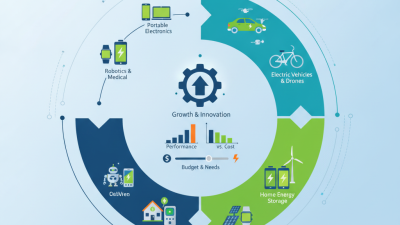
Global battery deliveries in 2026 are shaped by chemistry, cost, safety, and local supply chains. Lithium iron phosphate cells remain important for electric vehicles and stationary storage because they offer stable performance and lower material costs. Nickel-rich cells still serve applications requiring longer driving range and higher energy density. Sodium-ion batteries are gaining attention, especially where raw material access and cold-weather performance matter.
Manufacturers are also changing battery sizes and designs. Large-format cells can reduce the number of connections inside a pack, lowering assembly complexity. However, larger cells may make repairs more difficult. Delivery volumes depend on more than factory capacity. Grid projects need reliable warranties, fire testing, transport compliance, and predictable installation schedules. Electric vehicle deliveries also respond to charging access, government policy, and consumer confidence.
Tips: Compare usable energy, not only advertised capacity. Check cycle-life data under realistic temperatures. Ask whether repair parts are available locally. Review safety certifications and warranty conditions carefully. A low purchase price can hide higher replacement costs. Forecasts remain imperfect. Demand can shift quickly when mineral prices, interest rates, or regulations change. Battery rankings should therefore be read as market signals, not permanent winners.