Why Choose the Best Batteries and More for Your Needs?
In the modern world, choosing the right batteries & more is crucial for efficiency and reliability. Recent studies show that global battery demand is expected to reach $120 billion by 2025. This growth reflects the critical role that batteries play in our daily lives. From powering electronic devices to supporting electric vehicles, the choice of batteries impacts performance and longevity.
Experts emphasize that quality matters. Low-quality batteries can lead to device malfunctions and even safety risks. Data from industry reports indicate that 30% of battery failures are attributed to poor manufacturing standards. On the other hand, investing in high-quality batteries & more can enhance device performance and lifespan significantly.
However, consumers often face confusion about which batteries to choose. Limited knowledge leads to impulsive purchases, which may not meet specific needs. Understanding battery types, capacities, and applications can make a significant difference. A thoughtful approach to selecting batteries & more is essential for achieving the best value and performance for your devices.
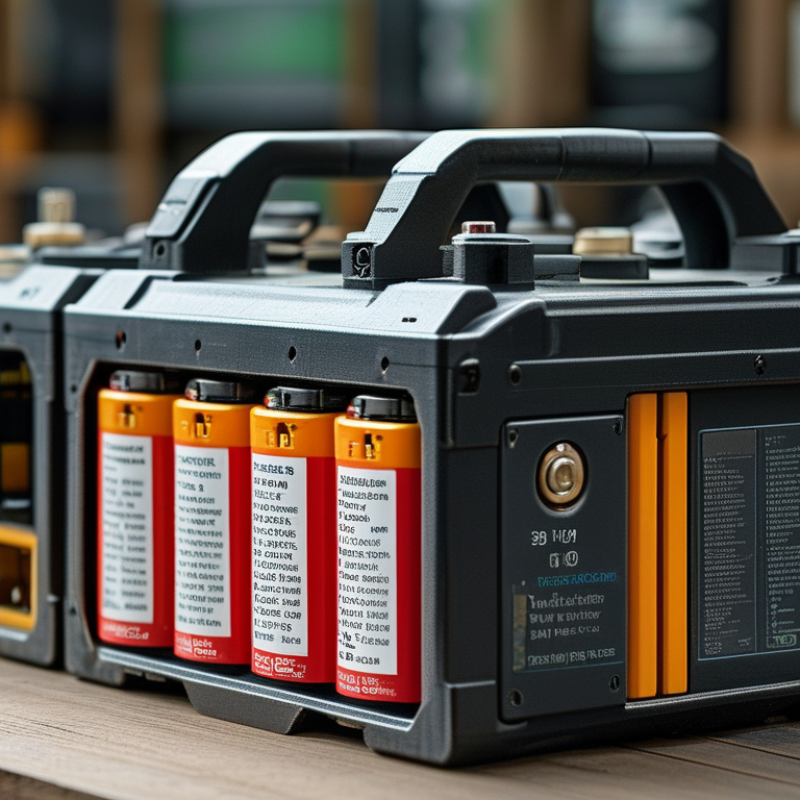
Understanding Different Battery Types and Their Applications
When considering battery types, it's crucial to understand their unique characteristics. Alkaline batteries are common in household devices. They offer a good balance of cost and performance. However, they have limitations in high-drain applications. Rechargeable lithium-ion batteries are popular for electronics. They provide longer life and can handle more charge cycles, making them efficient for gadgets.
Different applications require different batteries. For power tools, NiCd batteries are often used. They perform well in extreme conditions but may suffer from memory effect. In contrast, lead-acid batteries are widely used in vehicles. They are reliable and easily recycled, but they are heavier and take longer to charge. Each battery type has strengths and weaknesses.
Choosing the right battery depends on specific needs. It's important to consider usage patterns. For instance, a device used infrequently may benefit from alkaline batteries. However, a device used daily, like a smartphone, needs a durable lithium-ion battery. A deep understanding of battery types can guide smart choices. This knowledge will lead to better performance and cost savings over time.
Factors to Consider When Choosing the Right Battery
When choosing the right battery, several factors come into play. Battery life, discharge rates, and capacity are critical aspects. According to a report by the Battery University, lithium-ion batteries often last longer than traditional lead-acid batteries, with lifespans exceeding 2,000 cycles. This makes them ideal for high-drain devices. Evaluating the energy density is also essential. A higher energy density means more power in a smaller size, which is vital for portable applications.
Environmental impact cannot be ignored. The production and disposal of batteries significantly affect sustainability. Reports indicate that over 70% of battery waste is not recycled properly. Choosing batteries with better recycling capabilities can positively impact our environment. It's important to weigh performance against environmental considerations.
Lastly, consider the application requirements. Not all batteries suit every device. For instance, high-drain devices require batteries with high discharge rates. This is not always straightforward, as some batteries may show impressive specs but underperform in real-world scenarios. Thorough research and asking for expert opinions can help navigate these complexities.
Comparing Performance and Longevity of Various Battery Brands
When it comes to batteries, performance and longevity are crucial factors. Not all batteries are created equal. Some offer exceptional power output, while others excel in lasting longer between charges. Understanding these differences can save time and money.
Many factors affect a battery's performance. The chemical composition plays a significant role. Higher quality materials often lead to better energy efficiency. However, not every high-energy battery is the best choice for every device. For example, devices with high power demands might drain standard batteries quickly.
Longevity also hinges on usage practices. Storing batteries at extreme temperatures can degrade their lifespan. Regularly checking battery health through testing can provide valuable insights. Many people overlook this simple yet effective measure. The right battery choice means considering both performance and how you intend to use it. Making an informed decision can enhance your experience and save costs over time.
Comparing Battery Performance and Longevity
Exploring Environmental Impact and Recycling Options for Batteries
Batteries are essential in our daily lives, powering everything from smartphones to electric vehicles. However, their environmental impact cannot be ignored. A recent report by the International Energy Agency (IEA) highlights that lithium-ion battery production generates over 200,000 tons of carbon dioxide emissions per gigawatt-hour. This figure emphasizes the need for responsible sourcing and sustainable practices in battery production.
Recycling options are crucial as well. According to a study published in the Journal of Cleaner Production, recycling batteries can recover up to 95% of valuable materials, like lithium, cobalt, and nickel. This not only decreases environmental harm but also lessens the dependence on mining activities. However, many consumers are unaware of recycling programs. Only 5% of used batteries are currently recycled properly in the U.S. This highlights a significant gap in public knowledge and participation.
Efforts are underway to improve battery sustainability. Researchers advocate for better recycling technologies and awareness campaigns to educate consumers. Despite progress, challenges remain. The industry must address the barriers to effective recycling, including logistics and infrastructure. The path to eco-friendly battery use is still evolving, and innovation is vital for a cleaner future.
Cost-Benefit Analysis: Best Batteries for Your Budget and Needs
Choosing the best batteries involves understanding your specific needs and budget. Various factors can affect the performance of batteries, such as their capacity, longevity, and charge time. A cost-benefit analysis can help you determine which options provide the best value for your money.
Consider the application for the batteries. Are they for high-drain devices like cameras, or low-drain gadgets like remote controls? High-drain devices will require a more powerful battery, leading to higher upfront costs. However, investing in quality batteries can yield savings over time through enhanced performance and fewer replacements.
Tips: Always check the energy density. A higher energy density means longer-lasting power. Look for reviews that highlight real-life experiences. Comparing specifications can sometimes be confusing. It’s easy to overlook important details, like recharge cycles and self-discharge rates. Reflect on your own usage patterns. Sometimes, you might find that cheaper batteries suffice, while other times, investing in premium options becomes necessary.
Why Choose the Best Batteries and More for Your Needs? - Cost-Benefit Analysis: Best Batteries for Your Budget and Needs
| Battery Type |
Capacity (mAh) |
Price ($) |
Estimated Lifespan (Years) |
Best Use Case |
| Lithium-Ion |
3000 |
150 |
3-5 |
Smartphones, Laptops |
| Nickel-Metal Hydride |
2000 |
75 |
3-4 |
Hybrid Cars, Power Tools |
| Lead Acid |
1200 |
50 |
2-4 |
Cars, Motorcycles |
| Alkaline |
1500 |
0.5 |
1-2 |
Toys, Remote Controls |
| Nickel-Cadmium |
1000 |
40 |
2-3 |
Power Tools, Emergency Lights |