7 Battery Acid Safety Tips Every Buyer Should Know

Buying a battery is not only a question of voltage, capacity, or price. The chemistry inside deserves equal attention. Lead-acid batteries contain sulfuric acid, a clear liquid that can burn skin, damage eyes, and corrode nearby metal. Even a sealed-looking case can leak after impact, overheating, improper charging, or age.

Steve Christensen, a battery-industry safety advocate, offers a practical warning: “Respect the energy, and respect the acid.” That advice sounds simple, but buyers often overlook it. Before purchase, check the safety data sheet, terminal condition, casing, manufacturing date, and recommended charging equipment. Ask whether the battery requires ventilation. Ask what protective equipment is needed. Do not guess.

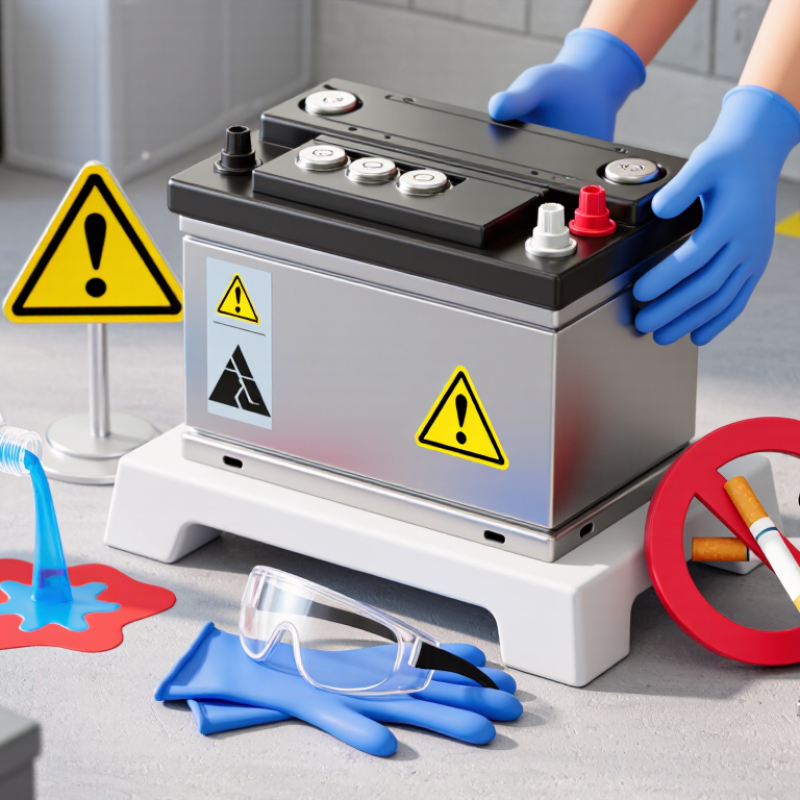
These seven battery acid safety tips focus on real handling moments: carrying a heavy unit across a garage, connecting cables beside a vehicle, or noticing a sharp smell near a charger. Wear chemical-resistant gloves and eye protection. Keep sparks, flames, and cigarettes away. Store batteries upright on a stable, nonconductive surface. Never touch a suspected leak with bare hands. If acid reaches the eyes or skin, flush immediately with clean running water and seek medical advice. Do not improvise with household chemicals.

A cautious buyer also plans for disposal. Use an authorized battery retailer or approved recycling program. Never place a damaged lead-acid battery in ordinary household waste. Mistakes happen, even with careful people. The goal is not perfect confidence; it is controlled, informed action when something looks wrong.
7 Battery Acid Safety Tips Every Buyer Should Know

Understanding Battery Acid and Its Hazards

7 Battery Acid Safety Tips Every Buyer Should Know

Understanding Battery Acid and Its Hazards

Battery acid is usually diluted sulfuric acid in lead-acid batteries. It can burn skin, damage eyes, and corrode metal. The liquid may look harmless. It is not. During charging, batteries can also release hydrogen gas, which ignites easily near sparks or flames.

Wear chemical-resistant gloves, eye protection, and long sleeves when handling a leaking battery. Work in a well-ventilated area. Keep cigarettes, sparks, and open flames away. Inspect the case for cracks, swelling, or wet patches before purchase. Do not touch leaked liquid with bare hands. Keep batteries upright during transport and storage. Disconnect electrical power before moving a connected unit, when the equipment procedure allows it.

A safety data sheet provides the correct handling and first-aid guidance. Read it before opening or servicing the battery. Never open a sealed battery or add water unless the manufacturer’s instructions specifically allow it.

If acid reaches skin or eyes, flush with clean running water for at least fifteen minutes. Remove contaminated clothing and seek urgent medical advice. Do not rub the affected area. For a spill, isolate the space and follow the recommended cleanup procedure. Household cleaners can react unpredictably.

I once underestimated a small wet mark during an inspection; it caused a glove to stiffen within minutes. That mistake still reminds me to treat every battery leak as active corrosion.

Choosing the Right Protective Equipment Before Purchase

7 Battery Acid Safety Tips Every Buyer Should Know
Choosing the Right Protective Equipment Before Purchase

Buying protective equipment should begin with the battery’s chemical details, not its price. Lead-acid electrolyte commonly contains sulfuric acid, which can burn skin and damage eyes quickly. Check the safety data sheet before choosing gloves, goggles, or clothing. During a battery-room inspection, I saw thin work gloves become stiff after one spill. They looked suitable, but they were not acid-resistant. That mistake stayed with me.

Choose chemical-resistant gloves with tested breakthrough data. Check the material, thickness, size, and cuff length. Nitrile may work for some tasks, but compatibility must be verified. Wear sealed chemical goggles, not ordinary safety glasses. Add a face shield when splashes are possible. Use an acid-resistant apron or coverall, plus closed chemical-resistant footwear. Fit matters. Loose gloves can catch, while tight gloves may split during movement.

Ask whether the equipment meets recognized safety standards and has clear cleaning instructions. Inspect seams, lenses, and closures before purchase. A damaged face shield is not reliable protection. Keep an emergency eyewash station nearby, with clear access and regular testing. Ventilation also matters, especially during charging. I once focused so much on gloves that I overlooked poor airflow. Protection is never one item. It is a system, and real workplaces can expose weaknesses that product labels do not show.

Checking Containers, Labels, and Storage Conditions

Before buying battery acid, inspect the container closely. It should be sealed, upright, and free of cracks, bulges, damp patches, or crusty residue around the cap. A faint leak can become a serious problem during transport. Don’t handle a damaged container; ask the seller how it should be managed. Small details matter.

Read the label before purchase. Check that it clearly identifies the contents and concentration, and includes hazard warnings, first-aid guidance, and storage instructions. Make sure the print is legible and the label is firmly attached. If information is missing or hard to understand, pause and ask a qualified supplier rather than guessing. I once overlooked a smeared instruction label on a household chemical, and had to spend time confirming its safe handling. Not ideal.

Plan storage before bringing it home. Choose a cool, dry, well-ventilated place, away from sunlight, heat, children, pets, and incompatible materials. Keep the container upright in a stable, acid-resistant tray, with its original cap and label intact. Never transfer acid into a drink bottle or an unmarked jar. Check the storage area occasionally for moisture, corrosion, or changes to the container. That check is easy to forget.

Handling, Transporting, and Using Battery Acid Safely

7 Battery Acid Safety Tips Every Buyer Should Know

Battery acid, usually sulfuric acid, can burn skin, damage clothing, and corrode metal quickly. Handle it only in a well-ventilated area with clear lighting. Wear chemical-resistant gloves, sealed goggles, long sleeves, and closed shoes. Keep clean water nearby for immediate rinsing, but never use water to dilute a spill on your skin. Flush exposed areas for at least fifteen minutes and seek medical advice.

1

Tip 1: Inspect the container before moving it.

Do not buy or use acid with cracks, swelling, stains, or a loose cap. Place the container upright inside a leak-resistant tray. Secure it during transport so it cannot roll, tip, or strike other items. Keep it away from heat, sparks, food, and passengers. Transport rules may vary, so check the safety data sheet and local requirements.

Read the safety data sheet before use. Work slowly. When servicing a battery, switch off power and use insulated tools. Avoid touching your face or adjusting protective equipment with contaminated gloves. Never mix battery acid with household cleaners or unknown chemicals. For spills, isolate the area and follow the product’s emergency instructions; improvising with powders can create heat or splashes. I still recheck the cap after every move, because small leaks are easy to miss. Keep children and untrained people away.

Responding to Spills, Exposure, and Safe Disposal

Battery acid can burn skin and damage eyes, so treat any leak as a serious hazard. If a battery spills, keep people and pets away, avoid touching the liquid, and do not wipe it up with household towels. If indoors, leave the area if fumes or irritation occur; ventilate only when you can do so without approaching the spill. Do not mix cleaners or try an improvised neutralizer. Cleanup depends on the battery type and spill size, so follow its safety information and contact local hazardous-waste staff or emergency responders for guidance. A small-looking puddle can still be corrosive.

If acid gets on skin, rinse with plenty of running water for at least 15 minutes and remove contaminated clothing while rinsing. For eye exposure, flush gently with clean water for at least 15 minutes, keeping eyelids open, then seek urgent medical care. Don’t delay care to find the battery label. If swallowed, do not induce vomiting; contact emergency services or poison control immediately. For disposal, never pour battery contents into a drain or put a leaking battery in regular trash. Keep it upright in a compatible, leak-resistant container, away from children, and ask a local hazardous-waste facility how to handle it. It is easy to assume a sealed battery is harmless. It isn’t.

Battery Acid Exposure: Minimum Rinse Time

If sulfuric acid from a lead-acid battery contacts the eyes or skin, immediately flush with plenty of water for at least 15 minutes. Seek urgent medical advice, especially for eye exposure or burns.

Do not try to neutralize acid on the body. For spills and disposal, follow the product safety data sheet and local hazardous-waste guidance; do not pour battery acid down a drain.

First-aid reference: CDC/NIOSH Emergency Response Safety and Health Database, Sulfuric Acid.