Top 10 Uses of Muscovite Mica You Need to Know?
muscovite mica is a remarkable mineral with diverse applications. According to Dr. Emily Carter, a leading expert in mineralogy, "Muscovite mica is essential in industries ranging from electronics to cosmetics." This versatile mineral possesses unique properties that make it invaluable. Its heat resistance and electrical insulating capabilities are particularly noteworthy.
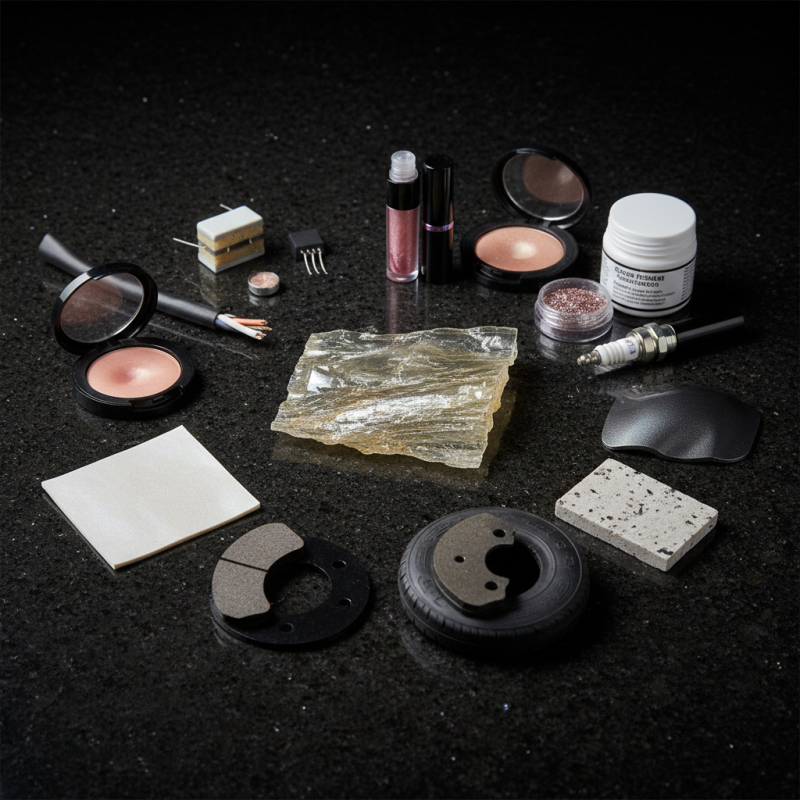
In the electronics sector, muscovite mica serves as a crucial component in capacitors and transistors. The beauty industry also relies on muscovite mica for creating lustrous makeup products. However, despite its many uses, challenges remain within the supply chain. Sourcing high-quality muscovite mica is not always straightforward. There are ongoing concerns regarding ethical mining practices, which can overshadow its benefits.
Understanding these issues is key to appreciating muscovite mica's role in various industries. While this mineral continues to shine in various applications, ongoing discussions around sustainability and ethics are crucial. The balance between utilization and responsibility is vital. Hence, exploring the top ten uses of muscovite mica offers both insights and questions about our contemporary practices.
Applications of Muscovite Mica in Electrical Insulation Materials
Muscovite mica is widely used in electrical insulation materials. Its unique properties make it an important component in many industries. This mineral provides excellent thermal stability and electrical insulation. Its layered structure allows it to withstand high temperatures without breaking down.
In electrical appliances, muscovite mica helps avoid short circuits. Insulation materials made from mica are often lightweight yet durable. They can be found in transformers, capacitors, and circuit boards. Its reliability ensures the safety of various electronic devices.
Tip: When selecting insulation materials, consider heat resistance. Mica’s ability to endure extreme conditions is crucial for performance.
Muscovite mica is also used in the automotive industry. It serves as a barrier in ignition systems to prevent electrical failures. However, its extraction can be challenging. Not all mica sources are ethical. This raises concerns about sustainability and responsible sourcing.
Tip: Research the origin of mica materials before purchase. Ethical practices matter for the environment and communities involved.
Role of Muscovite Mica in Cosmetics and Personal Care Products
Muscovite mica has gained popularity in the cosmetics and personal care industry. This natural mineral provides a shimmery, reflective quality in various beauty products. People love its use in eyeshadows, highlighters, and blushes. Muscovite mica creates a soft glow that enhances natural beauty. Its fine texture allows it to blend seamlessly into the skin.
Chalky appearances in cosmetics can be off-putting. However, muscovite mica offers a smooth application. It feels lightweight and airy on the skin. Many enthusiasts appreciate its natural origin and versatility. Yet, it’s important to consider that not all mica is ethically sourced. Awareness of the supply chain is crucial.
In addition, muscovite mica serves a functional purpose. It helps products adhere better to the skin. Its unique properties also act as a barrier against moisture loss. Users often find that products with mica last longer. Still, some may find irritation from certain formulations. Knowing your skin type is essential for the best experience.
Top 10 Uses of Muscovite Mica in Cosmetics and Personal Care Products
| Use | Description | Benefits |
| Foundation | Provides a silky texture and a soft focus effect. | Enhances skin appearance, reduces the look of imperfections. |
| Eye Shadow | Adds shimmer and depth to eye colors. | Creates dimension, attractive finishes, and long-lasting wear. |
| Face Powder | Used as a setting powder for makeup. | Controls shine and extends the wear of makeup. |
| Blush | Adds color to the cheeks for a healthy glow. | Enhances facial features and complexion. |
| Lip Products | Used in lipsticks and glosses for shine. | Provides a luminous finish and enhances color application. |
| Body Lotion | Improves texture and consistency of creams. | Gives a smooth application and a silky feel. |
| Sunscreen | Used as a physical sunscreen agent. | Provides UV protection and helps prevent skin damage. |
| Nail Polish | Gives a shimmering effect in nail products. | Enhances aesthetic appeal and provides a glossy finish. |
| Hair Products | Used in shampoos and conditioners for shine. | Improves hair texture and adds luster. |
Muscovite Mica in Construction and Building Materials
Muscovite mica plays a significant role in construction and building materials. Its layered structure offers unique properties, such as thermal resistance and electrical insulation. According to a recent industry report, muscovite mica usage in insulation could grow by 5% annually. This growth is fueled by increasing energy efficiency demands.
In paints and coatings, muscovite mica improves durability and aesthetic appeal. It helps in reducing the weight of the final product while maintaining strength. One study highlights that incorporating mica can enhance paint longevity by up to 30%. Yet, it is crucial to consider sourcing issues. The mica mining industry faces challenges regarding child labor practices, which raises ethical concerns.
Building materials infused with muscovite mica also improve fire resistance. This is essential for compliance with safety regulations. However, the high cost of quality mica can deter some manufacturers. A balance must be struck between performance and budget. Industry stakeholders need to rethink their supply chains to ensure responsible sourcing and quality assurance.
Top 10 Uses of Muscovite Mica in Construction and Building Materials
This chart illustrates the various uses of Muscovite Mica in construction and building materials, highlighting its versatility and importance in the industry.
Utilization of Muscovite Mica in Paints and Coatings
Muscovite mica is a vital mineral in the paint and coatings industry. Its unique properties enhance the performance and aesthetic appeal of products. Data shows that the demand for mica in this sector is steadily increasing, projected to reach over $1.5 billion by 2025. This mineral is prized for its ability to improve adhesion and durability.
In paint formulations, muscovite mica acts as a filler. It provides a shimmering effect, which is particularly sought after in decorative paints. About 30% of all mica used globally goes into coatings. This significant number reflects its importance in enhancing color brilliance and finish quality.
Yet, challenges remain in the sourcing of muscovite mica. Ethical mining practices are vital. Reports indicate that a notable portion of mica comes from regions with questionable labor conditions. Consumers are becoming more aware of these issues, prompting companies to rethink their supply chains. Sustainability should not be an afterthought; it must become a priority.
Muscovite Mica for High-Temperature Industrial Applications
Muscovite mica is recognized for its unique properties, making it essential in high-temperature industrial applications. This mineral can withstand extreme heat up to 1000°C without losing its structural integrity. This capability makes it ideal for insulation. In industries like aerospace and automotive, components face intense conditions. Muscovite mica provides reliable protection.
Additionally, Muscovite mica is beneficial in manufacturing electrical products. Its dielectric strength is impressive. This means it effectively resists electric currents, which is vital in many electronic devices. However, there is a risk of inadequate performance under certain conditions. Regular testing is crucial to ensure safety standards are met. Without proper checks, the consequences can be severe.
Moreover, the use of Muscovite mica extends to thermal barriers. It can be applied in coatings that require high durability. Many industries use it, but innovation is needed to optimize its effectiveness further. Research is ongoing, yet some applications still face challenges. Identifying these challenges can lead to better utilization in the future.