Top 10 Injection Molding Equipment Suppliers Worldwide

Injection Molding Equipment helps manufacturers turn plastic resin into precise, repeatable parts. Its applications range from automotive housings and medical components to food containers and everyday packaging. A machine’s value depends on more than its advertised clamping force. Cycle consistency, energy use, controls, service access, and spare-parts availability all affect production over time.

This overview of the top 10 suppliers worldwide introduces companies with different technologies, market strengths, and support networks. Some focus on all-electric presses and tight process control. Others offer hydraulic or hybrid platforms, automation, and turnkey production cells. Buyers can compare equipment types, tonnage ranges, digital features, and regional service options. These details matter on the factory floor, where a delayed replacement part or unstable cycle can disrupt a carefully planned shift. Small details matter.

Supplier rankings are never universal. The right choice depends on the material, part design, target output, plant conditions, and available technical support. A large global footprint may help, but it does not guarantee the best local response. This guide offers a practical starting point, not a substitute for reviewing specifications, requesting a sample trial, and checking service commitments. Even experienced buyers may weigh these factors differently, and that is worth considering. A machine should fit the process, not just the brochure.
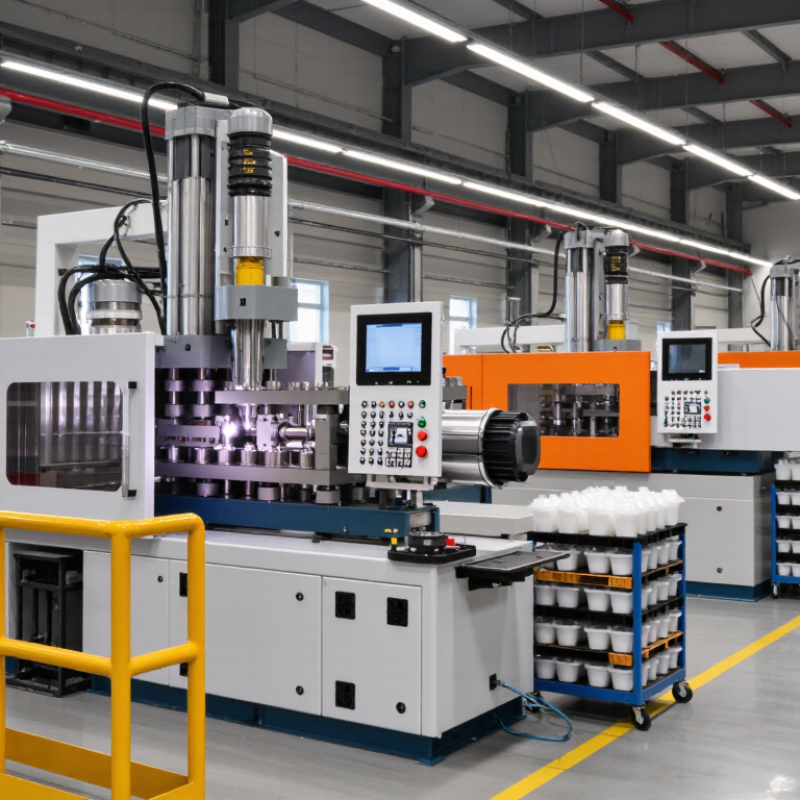
Top 10 Injection Molding Equipment Suppliers Worldwide

What Injection Molding Equipment Suppliers Do

Injection molding equipment suppliers do more than ship presses. They help manufacturers match machine size, clamping force, and injection capacity to each part. A thin-walled housing may need fast, repeatable filling. A large, thick component may require different pressure and cooling choices. Sound recommendations consider mold dimensions, resin behavior, target cycle time, and production volume. Details matter.

Suppliers may also coordinate molds, dryers, temperature controllers, material loaders, robots, and conveyors. During installation, technicians check utilities, machine leveling, safety interlocks, and equipment communication. They can then support trial runs, adjusting settings while recording cycle time, part weight, and visible defects. These measurements help teams separate machine issues from mold or material problems. Not always obvious.

After startup, suppliers may provide operator training, preventive maintenance guidance, spare parts, and technical support. Clear service expectations matter, especially when production schedules are tight. A reliable supplier explains equipment limits as well as capabilities, and bases recommendations on the customer’s actual process. Still, supplier advice should be verified through production trials. Suppliers cannot control every variable. Resin moisture, mold wear, and operator habits can all affect results. Those factors deserve attention.

How Global Suppliers Are Evaluated

Global suppliers should be evaluated on verified performance, not polished brochures. Grand View Research estimated the injection molding machine market at USD 10.4 billion in 2023 and forecast 4.8% annual growth from 2024 to 2030. That growth makes capacity and delivery reliability important, but market size alone says little about machine quality. Buyers should compare clamp force, shot-size range, repeatability, energy use, and documented cycle times against their actual parts and materials.

The strongest assessment combines factory evidence with service capability. Ask for acceptance-test records, uptime definitions, spare-parts lead times, and local technician coverage. A machine that meets its quoted cycle time may still underperform if mold changes take hours or troubleshooting requires distant support. PlasticsEurope reported global plastics production of 400.3 million tonnes in 2022, a reminder of the scale and diversity of applications suppliers must serve. The figure is broad, not a direct measure of molding-machine demand.

Use a weighted scorecard, then validate claims with reference checks and sample runs. Downtime is costly. Compare total ownership costs across several years, including installation, training, maintenance, and energy. No scorecard is perfect. Supplier comparisons can be distorted by different test conditions, and published data may omit inconvenient details. Record those gaps instead of treating an attractive specification as proof.

Top 10 Injection Molding Equipment Suppliers Worldwide - How Global Suppliers Are Evaluated

This table presents ten practical evaluation dimensions for comparing global suppliers. It is an evaluation framework, not a verified ranking of named companies; no supplier identities or unverified supplier-specific scores are included.

No. Evaluation Dimension Evidence to Review Why It Matters How to Compare
1 Machine range and application fit Published clamping-force range, injection-unit options, tie-bar spacing, platen dimensions, and supported materials. Machine capacity and configuration must suit the part, mold, resin, and production process. Confirm that the required mold and process fall within documented machine specifications; avoid comparing machines by clamping force alone.
2 Process performance and repeatability Technical data on injection control, position and pressure control, cycle capability, and documented process-validation support. Stable, repeatable process control can help maintain part quality and reduce variation, but results depend on the application and setup. Request application-specific trials and compare measured part quality and process variation under equivalent conditions.
3 Energy efficiency Energy-consumption data for comparable machine sizes and operating conditions; drive type and available energy-saving features. Energy use affects operating cost. All-electric and servo-hydraulic designs may differ in consumption, depending on the process and duty cycle. Compare metered energy per part or per production cycle using the same mold, resin, cycle settings, and production assumptions.
4 Safety and regulatory documentation Machine risk assessments, safety-device documentation, conformity records for the destination market, and relevant standards declarations. Injection molding machinery presents hazards including moving platens, clamping units, and hot material; compliance requirements vary by market. Verify current, machine-specific documentation. ISO 20430:2020 covers safety requirements for injection molding machines.
5 Quality management and manufacturing controls Quality-management certifications, inspection procedures, traceability practices, and documented factory acceptance checks. Documented quality systems can support consistent manufacturing and issue resolution; certification does not by itself establish machine performance. Check certificate scope and validity, then review inspection records and acceptance-test procedures for the equipment being purchased.
6 Service coverage and response capability Service locations, technician availability, support hours, escalation process, and service arrangements in the buyer’s region. Access to qualified support can affect recovery time when equipment needs troubleshooting or repair. Confirm local coverage, expected response terms, language support, and whether service commitments are contractually documented.
7 Spare-parts availability Parts catalogs, regional inventory arrangements, lead-time commitments, and identification of critical or long-lead components. Parts availability can influence maintenance planning and unplanned downtime. Request lead times and recommended critical-spares lists for the specific machine configuration and operating location.
8 Controls, connectivity, and integration Controller documentation, interface options, data-export capabilities, and compatibility information for plant systems and peripherals. Integration requirements vary across factories, automation cells, and production-monitoring systems. Validate required interfaces and data fields with the plant’s systems team; confirm functionality in a practical integration test.
9 Installation, training, and commissioning Installation scope, commissioning checklist, operator and maintenance training plans, and handover documentation. Clear commissioning and training arrangements help teams operate and maintain equipment correctly. Compare the included scope, training hours and audience, required site preparation, and post-installation support terms.
10 Total cost of ownership and commercial terms Equipment price, tooling and auxiliary requirements, installation costs, energy assumptions, warranty terms, and maintenance costs. Purchase price alone does not represent the full cost of owning and operating a machine. Compare lifecycle costs over the same time horizon and production assumptions; state exclusions, taxes, currency, and service terms clearly.

Ten Leading Injection Molding Equipment Suppliers Worldwide

Ten leading injection molding equipment suppliers worldwide are best compared by capability, not by brochure claims. Their machines serve packaging, medical, automotive, and consumer-product work, but no single press suits every factory. A supplier’s value often shows in practical details: stable clamp force, repeatable shot size, accessible controls, and responsive technical support.

During a plant visit, inspect the machine under a real production cycle. Watch how quickly it reaches temperature, how consistently parts leave the mold, and whether operators can reach routine service points safely. Ask for cycle-time data using a mold and material similar to yours. Details matter. Energy use, spare-part lead times, and training plans can change the total cost of ownership. A low purchase price may look attractive, yet frequent interruptions can erase the savings.

The strongest suppliers usually explain trade-offs clearly. Electric systems may offer precise motion control, while hydraulic designs can suit demanding applications and established maintenance routines. Hybrid options bring different balances of speed, power, and energy use. A tidy ranking can still mislead; factory conditions vary, and published performance figures may not match your process. Request references from comparable production sites, then verify support coverage in your region. One uncomfortable question remains: will the supplier still answer quickly when a line stops at night?

Injection Molding Equipment: Clamping-Force Benchmarks

A technical comparison for evaluating equipment suppliers. Values are representative machine sizes, not supplier rankings or market-share figures.

Clamping force is commonly specified in tonnes-force. Actual machine capacities vary by model and application; 1 tonne-force is approximately 9.81 kN.

Product Specialties and Regional Markets

Supplier strengths are easier to compare by machine type than by catalog size. All-electric presses suit tight-tolerance parts, clean production areas, and repeatable cycle control. Hydraulic systems remain useful for large clamps and demanding shot sizes. Hybrid designs aim to balance force with energy efficiency. The fit is practical, not universal. A small-shot component may need precise control, while a thick automotive part can demand high clamping force and robust mold handling. Grand View Research estimated the global injection molding machine market at USD 10.91 billion in 2023, with Asia Pacific accounting for 47.7% of revenue. These figures show market scale, not supplier quality.

Regional demand also shapes product priorities. In East and Southeast Asia, electronics, packaging, and automotive supply chains can favor broad machine ranges and local service coverage. North American buyers may weigh automation integration, uptime, and reshoring needs. European plants often focus on precision, energy use, and process documentation. These are tendencies, not rules. A regional market share can hide major differences between countries and industries. Grand View Research’s 2024 market analysis helps frame demand, but it cannot show whether local technicians can restore a press before the next shift. Ask about clamping options, controls, spare-part lead times, and application support. Small details matter. Trial runs with the actual resin and mold can reveal startup scrap or changeover delays that published specifications miss.

Key Factors in Choosing an Equipment Supplier

Choosing an injection molding equipment supplier starts with the parts you actually make. Compare clamp force, shot capacity, tie-bar spacing, and mold dimensions against your current and planned jobs. A machine that looks suitable on paper may struggle with a specific resin or cycle time. Numbers need context. Ask suppliers to explain their sizing assumptions and show how they measured performance.

Request a production trial using your material, mold, and target cycle. Record part weight, cycle time, scrap rate, and energy use across repeated runs. Review the control system, safety features, and quality records, not just the showroom demonstration. Check whether the supplier provides clear manuals, operator training, and a realistic schedule for spare parts. Verify service coverage with customers who run similar machines.

Support can matter more than a small difference in purchase price. Ask who responds when a machine stops, how quickly common parts ship, and whether technicians can diagnose faults remotely. The answers may vary by location, so confirm them in writing. No checklist is perfect. One awkward lesson: a supplier’s polished presentation does not guarantee smooth production. Compare documented trial results, service commitments, and total operating costs before choosing.