Top 10 Benefits of Lead Acid Battery You Should Know?
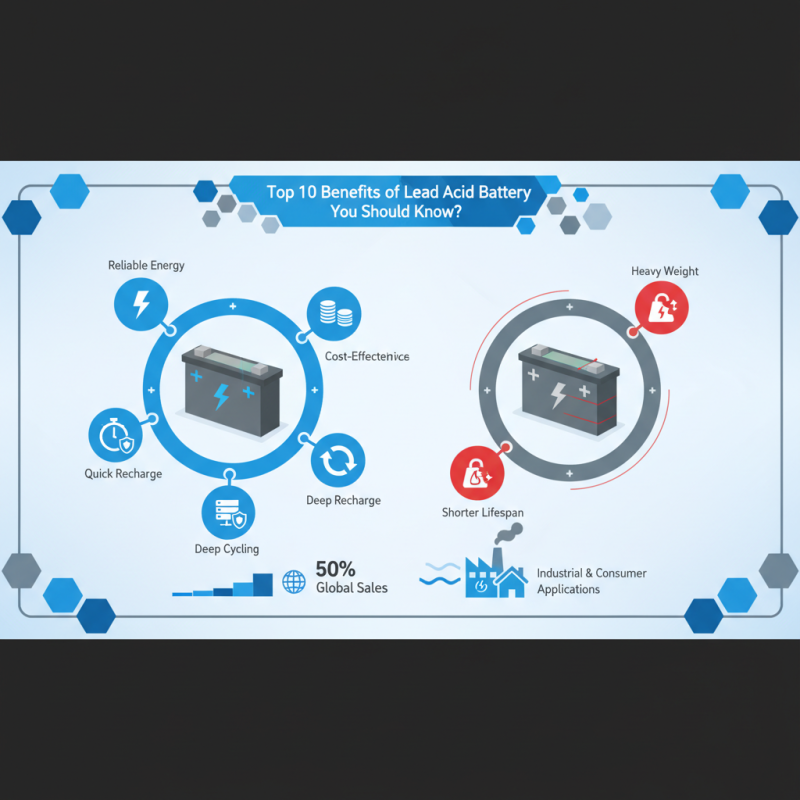
Lead acid batteries have been a staple in various industries for decades. They account for nearly 50% of all battery sales globally. Their ability to provide reliable energy makes them crucial for both consumer and industrial applications.
These batteries excel in performance and cost-effectiveness. They can recharge quickly and handle deep cycling well. In many cases, they serve as the backbone of energy storage systems. Companies are increasingly choosing lead acid batteries for backup power due to their efficiency.
However, it's important to address some imperfections in lead acid technology. Their weight can be a drawback, limiting portability. Additionally, they have a shorter lifespan compared to other battery types. Understanding these challenges can guide better decision-making. Lead acid batteries continue to demonstrate notable advantages, despite their limitations.
Advantages of Lead Acid Batteries for Energy Storage Applications
Lead acid batteries have been a staple in energy storage applications for decades. Their ability to deliver high surge currents makes them ideal for various energy needs. A recent report from the International Energy Agency highlights that lead acid batteries hold about 40% of the global battery market share. This makes them crucial for both industrial and consumer applications.
One significant benefit is their low cost. Lead acid batteries are cheaper to produce than many modern alternatives. In many regions, they can be found at a price point that appeals to budget-conscious users. However, their lifespan is often shorter than other battery types, which can lead to higher replacement costs over time. On average, a lead acid battery lasts between 3 to 5 years, depending on usage.
Additionally, lead acid batteries are known for their robustness. They can operate in extreme conditions without substantial performance loss. Yet, they are heavy and bulky, which poses a challenge for transport. Their energy density is lower than lithium-ion batteries, making them less efficient in some applications. Balancing these pros and cons is essential for users to make informed decisions.
Top 10 Benefits of Lead Acid Battery You Should Know
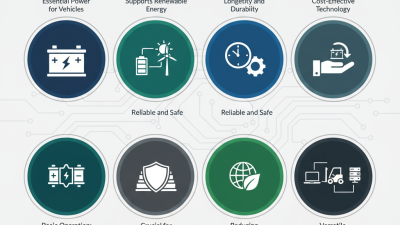
| Benefit |
Description |
| Cost-Effective |
Lead acid batteries are generally less expensive compared to other battery technologies. |
| Established Technology |
They have a long history of use, making them a reliable choice for many applications. |
| Robustness |
Lead acid batteries are durable and can withstand harsh conditions. |
| High Surge Currents |
They can deliver high surge currents, making them ideal for starting engines. |
| Recyclability |
Lead acid batteries are highly recyclable, making them environmentally friendly. |
| Maintenance |
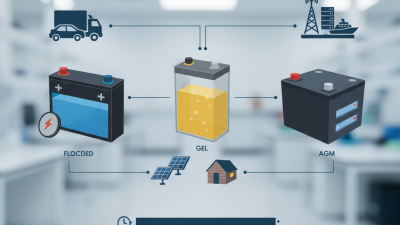
Some types require minimal maintenance, especially sealed variants. |
| Versatility |
Used in a wide range of applications from automotive to stationary energy storage. |
| Maturity |
The technology is well understood, with standardized manufacturing processes. |
| Performance |
Provide stable voltage and performance under varying loads. |
| Safety |
They are generally considered safe and have built-in safety features. |
High Cycle Life: Longevity and Performance Metrics of Lead Acid Batteries
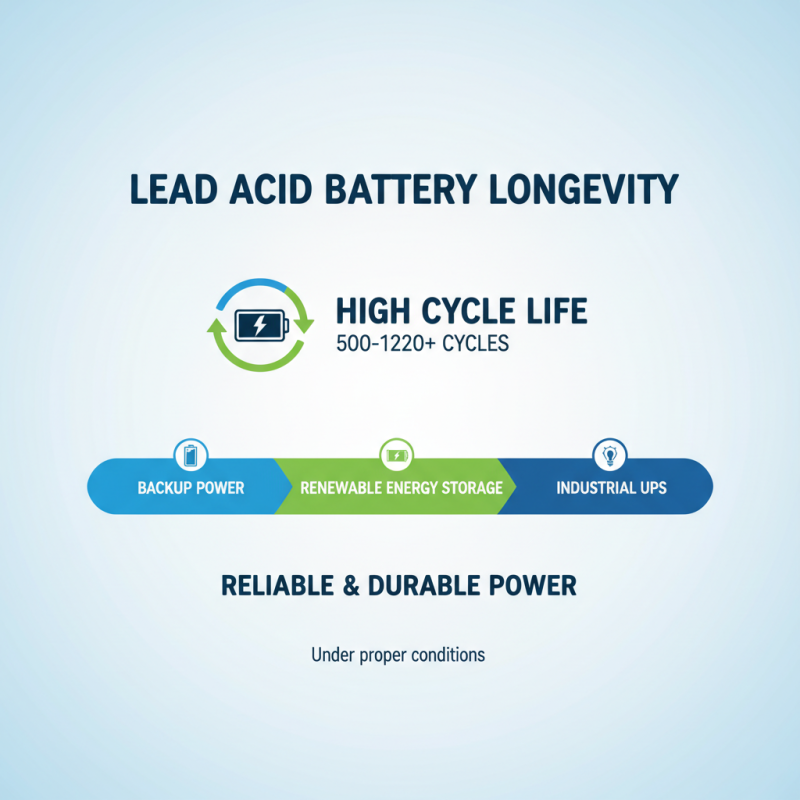
Lead acid batteries are known for their high cycle life, making them an ideal choice for many applications. Cycle life refers to the number of charge and discharge cycles a battery can undergo while maintaining performance. Reports indicate that high-quality lead acid batteries can achieve between 500 to 1,200 cycles under proper conditions. This longevity is particularly advantageous for industries reliant on backup power.
These batteries often perform well in extreme temperatures, which enhances their reliability. For example, in a study, lead acid batteries maintained about 80% of their capacity after 500 cycles at elevated temperatures. However, it's crucial to remember that excessive discharging can reduce overall lifespan.
Tip: To increase the cycle life of lead acid batteries, avoid deep discharges whenever possible. Regular maintenance and proper charging techniques can also help.
While lead acid batteries provide benefits, they come with limitations. They tend to be heavier and bulkier than newer technologies. Moreover, they may not offer the same energy density as lithium-ion alternatives. Understanding these factors is essential when choosing the right battery type for your needs.
Tip: Consider your application demands carefully. Assess whether weight or energy density is a priority before deciding on battery choice.
Cost-Effectiveness of Lead Acid Batteries Compared to Other Battery Types
Lead acid batteries are known for their cost-effectiveness. They are often less expensive than other types of batteries. For instance, the average price of a lead acid battery is about $150 per kWh. In contrast, lithium-ion batteries can exceed $500 per kWh. This price difference makes lead acid batteries appealing for many applications, especially in energy storage.
One downside is their shorter lifespan. Lead acid batteries typically last 3 to 5 years, while lithium-ion batteries can last up to 15 years. However, the lower initial cost can offset this. According to a report by the National Renewable Energy Laboratory, lead acid batteries account for a significant percentage of the world’s energy storage market. This market share is primarily due to affordability.
Additionally, the recycling rate for lead acid batteries is high, around 99%. This means when they reach the end of their life, most of the materials can be reused. Despite their drawbacks, these batteries are still a reliable choice. The initial investment might be lower, but potential replacement costs must be considered. They are practical yet need careful management to optimize their use and ensure sustainability.
Recyclability and Environmental Impact of Lead Acid Battery Disposal
Lead acid batteries are widely used in various applications, from automobiles to renewable energy systems. Their recyclability is a significant advantage. Unlike many battery types, lead acid batteries are highly recyclable. About 97% of their components can be reused. This includes lead, which is processed and turned into new batteries. Such efficiency minimizes waste and lessens environmental impact.
Disposing of lead acid batteries improperly can harm the environment. If they end up in landfills, hazardous materials might leak. This poses risks to soil and groundwater. Proper recycling mitigates these concerns. Many local recycling centers accept used batteries for safe disposal. It is crucial to check local regulations regarding battery disposal. Always aim for responsible recycling.
Tip: Store used batteries in a safe, cool place until you can recycle them. This prevents leaks and hazards. Regularly remind others to handle battery disposal responsibly. Community awareness can foster a culture of responsibility. Together, we can minimize the environmental impact of used batteries. Making informed choices is key.
Wide Temperature Range Operational Capabilities in Lead Acid Batteries
Lead acid batteries are known for their wide temperature range operational capabilities. They function effectively in both extreme cold and hot conditions. This adaptability makes them ideal for various applications, from automotive to renewable energy storage. Research indicates that lead acid batteries can operate in temperatures ranging from -20°C to 60°C (-4°F to 140°F). This range is critical in ensuring consistent performance, especially in climates with significant temperature fluctuations.
However, not all lead acid batteries perform equally under these conditions. Some may struggle with capacity retention in extreme heat or cold. A study from the Battery University reveals that high temperatures can accelerate battery aging. Conversely, cold temperatures can reduce available capacity. This variability highlights a need for better packaging and materials to enhance durability under stress.
In real-world applications, the temperature can affect charging efficiency. Battery performance dips can occur if the ambient temperature is not monitored closely. This is something users need to consider when deploying lead acid batteries in temperature-sensitive environments. The awareness of these limitations is crucial for optimizing battery lifespan and efficiency.