Top 10 All Batteries You Need to Know About?
In today's technology-driven world, understanding all batteries is crucial. The global battery market is expected to reach $120 billion by 2028, according to a recent market analysis. This rapid growth highlights the importance of various battery types and their applications. From smartphones to electric vehicles, batteries play a key role in our daily lives.
Lithium-ion batteries dominate the market due to their efficiency and energy density. However, different applications require different battery solutions. For instance, lead-acid batteries are still widely used in automotive settings. This variety emphasizes the need for consumers to grasp the fundamentals of all batteries available.
Many users overlook the lifespan and recyclability of batteries, leading to waste issues. Reports indicate that only 5% of lithium batteries are recycled properly. This challenge reflects a lack of awareness that can result in environmental harm. Educating ourselves about all batteries is essential for making informed choices and promoting sustainability. Understanding these technologies can empower users to select the right battery for their needs while being mindful of their environmental impact.
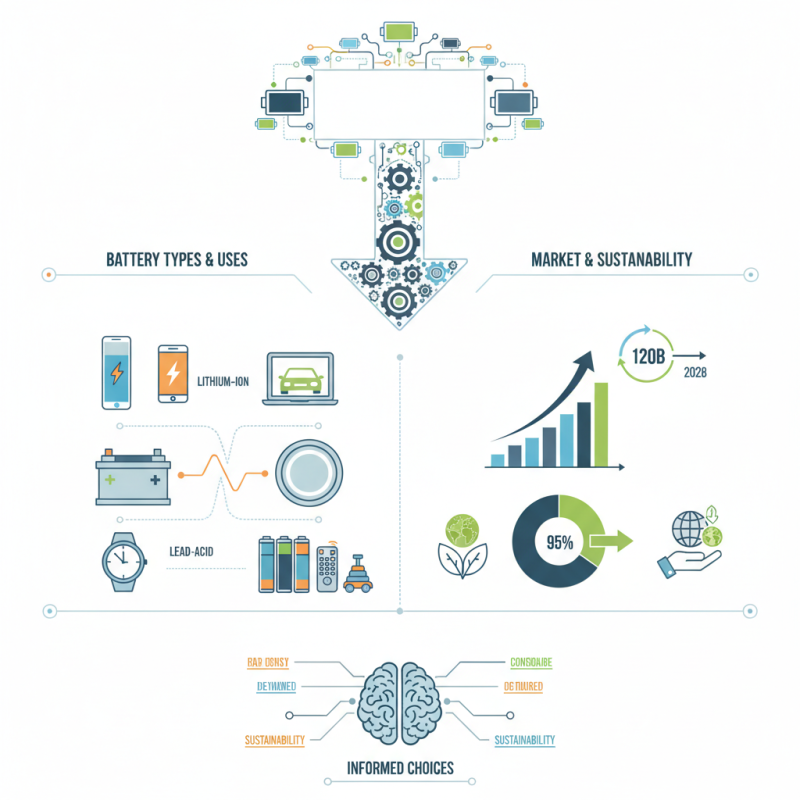
Overview of Battery Types and Their Applications
When discussing battery types, it's essential to recognize the diverse applications they serve.
Lithium-ion batteries are widely used for portable electronics. They provide high energy density and are rechargeable.
Nickel-metal hydride batteries are favored in hybrid vehicles. Their ability to store energy efficiently makes them a reliable choice.
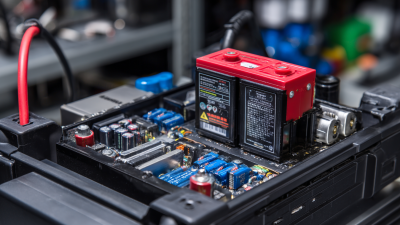
Lead-acid batteries are a staple in automotive applications. They provide the necessary power to start vehicles. However, they are heavy and less efficient compared to newer technologies. This can limit their use in certain applications. Each battery type has its pros and cons, emphasizing the need for careful selection based on specific use cases.
Tips: Always check compatibility before choosing a battery for your device. Recycling batteries is crucial for environmental sustainability. Mismanagement can lead to hazardous waste, so be mindful of your choices.
Understanding Lithium-ion Batteries: Features and Benefits
Lithium-ion batteries are ubiquitous in modern technology. They are widely used in electronics, electric vehicles, and renewable energy storage. Understanding their features helps in appreciating their impact on our lives. These batteries are known for their high energy density, allowing them to store more power in a smaller size. This capability makes them ideal for mobile devices, where space is a premium.
However, there are concerns regarding their safety and lifespan. Overheating and potential fire hazards can occur if improperly used. Moreover, lithium-ion batteries degrade over time, losing capacity and efficiency. This decline can be frustrating for users, especially when they rely on their devices daily. Regular maintenance and proper charging practices can mitigate some of these issues, yet not everyone follows these guidelines.
The benefits of lithium-ion batteries are significant, despite these challenges. They provide a sustainable solution for energy storage compared to older technologies. Furthermore, their ability to charge quickly and discharge power efficiently supports the modern demand for rapid energy access. As we innovate further, recognizing both the strengths and weaknesses of these batteries will drive better designs and safer usage.
Exploring Lead-Acid Batteries: Uses and Limitations
Lead-acid batteries have been a staple in energy storage for over a century. They are primarily used in vehicles and uninterruptible power supplies. According to a report by Freedonia Group, the global lead-acid battery market is projected to reach $60 billion by 2025. Their ability to deliver high surge currents makes them suitable for starting engines and providing backup power.
However, lead-acid batteries come with limitations. Their lifespan averages about 3 to 5 years, significantly shorter than alternatives like lithium-ion batteries. They also have a lower energy density, meaning they store less energy relative to their weight. This constraint can be a drawback in applications requiring compact and lightweight solutions.
Environmental concerns also merit attention. Lead is toxic and poses recycling challenges. While about 95% of lead can be recycled, improper disposal remains a risk. This highlights the need for better recycling programs and technologies. As industries shift towards cleaner energy, revisiting lead-acid technology may reveal potential innovations, but the current limitations need addressing.
The Rise of Solid-State Batteries: Future of Energy Storage
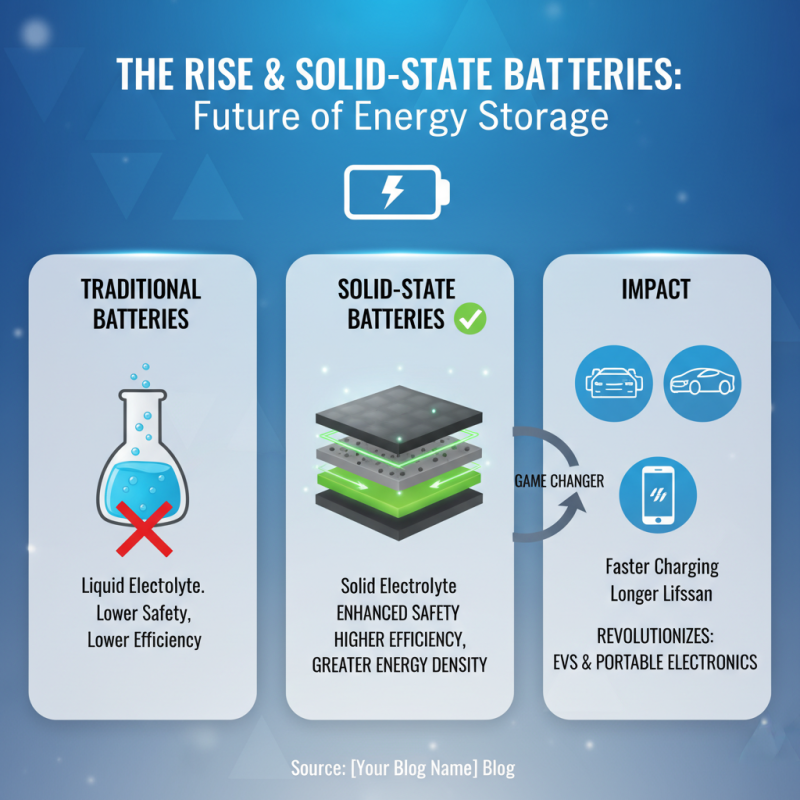
The field of energy storage is rapidly evolving. Solid-state batteries are emerging as a game changer. These batteries replace traditional liquid electrolytes with solid materials. This shift enhances safety, efficiency, and energy density. Imagine a battery that not only lasts longer but also charges faster. Such advancements could revolutionize electric vehicles and portable electronics.
Safety concerns with lithium-ion batteries remain significant. Solid-state batteries mitigate risks like leaks and fires. This makes them more appealing for widespread adoption. They're not without challenges, though. Manufacturing processes need improvement. Costs are currently high, limiting their immediate application. Reducing these expenses will be crucial for broader market integration.
However, research and development are progressing. Experts believe that solid-state technology will mature within the next decade. As companies invest in this technology, the future looks promising. Yet, we must remain cautious. The benefits are clear, but obstacles need addressing. Balancing innovation with safety will determine the success of solid-state batteries.
Comparative Analysis of Rechargeable vs. Non-Rechargeable Batteries
When exploring battery options, the choice between rechargeable and non-rechargeable batteries becomes crucial. Rechargeable batteries, like lithium-ion, can be reused multiple times. This feature offers long-term savings and reduces waste. However, they often have a higher upfront cost. You should consider the frequency of use before making a decision.
Non-rechargeable batteries, such as alkaline types, are convenient for occasional use. They can provide a steady power supply. However, once depleted, they must be disposed of and can contribute significantly to environmental waste. Many users overlook this aspect. It’s essential to reflect on the long-term effects when opting for non-rechargeable batteries.
Tips: Consider your typical usage habits. If you use devices daily, invest in rechargeable batteries. For rare, low-power items, non-rechargeable options might suffice. Always dispose of batteries properly to minimize environmental impact. Remember, sometimes the cost of convenience is more than just money.