12 Tips for Extending the Life of Your 12 Battery?
When it comes to the 12 battery, longevity is crucial. Many users struggle with keeping their batteries functioning well. There are effective strategies that can help extend their lifespan. Proper handling makes a significant difference.
Your 12 battery needs care. Small mistakes can lead to reduced performance. For instance, charging habits play a vital role. Overcharging or deep discharging can shorten the life of your battery. You should also avoid exposing it to extreme temperatures. These conditions can be damaging and sometimes irreversible.
Moreover, using quality chargers matters. Not all chargers are created equal. A poor-quality charger can harm your 12 battery. Regular maintenance checks are essential too. Look for signs of wear and tear. Address issues promptly to avoid future problems. Taking these steps may seem tedious, but they are necessary for longevity. A little effort goes a long way in ensuring the 12 battery serves you well for years.
Understanding Your Battery: Types and Lifespan Factors
Understanding the different types of batteries is essential for extending their lifespan. Lithium-ion batteries are common in many devices today. They typically last around 2 to 3 years, or approximately 300 to 500 charge cycles. In contrast, lead-acid batteries may only last a few years if not maintained properly. Temperature, humidity, and charge cycles can significantly influence their longevity.
The charging practices we adopt affect battery life as well. Overcharging can shorten a battery's lifespan significantly, decreasing capacity over time. According to a report from the International Energy Agency (IEA), proper charging techniques can enhance battery performance by up to 30%. Keeping batteries in a cool, dry environment is equally vital. Heat accelerates degradation, leading to inefficient energy storage and potential failure.
Despite knowing these factors, many users overlook basic maintenance. Regular checks and cleaning of battery terminals can prevent corrosion. This simple step is often neglected but can result in improved conductivity and overall performance. Regularly updating the device’s software also helps optimize battery usage. Awareness of these issues can encourage better habits, ultimately extending the lifespan of batteries.
Best Charging Practices to Prolong Battery Health
To prolong the health of your battery, focusing on charging practices is essential. Research indicates that proper charging can extend battery lifespan significantly. According to a study from Battery University, maintaining a charge level between 20% and 80% can greatly reduce wear. Avoid allowing your battery to drop to 0%, as this can lead to irreversible damage.
When charging, avoid extreme temperatures. High heat can cause battery degradation, while extreme cold can affect performance. A study by the National Renewable Energy Laboratory found that batteries perform best at room temperature. Ensuring your battery remains in a controlled environment is crucial for longevity.
Tip: Frequently using fast charging can also impact battery health over time. Try to use it sparingly. Slow charging, while time-consuming, is gentler on battery materials. Frequent deep discharges can wear down lithium-ion cells faster. Aim for partial discharges instead; it’s better for battery maintenance. Regularly unplugging devices once charged is another simple but effective practice that many overlook.
Temperature Control: Keeping Your Battery in Optimal Conditions
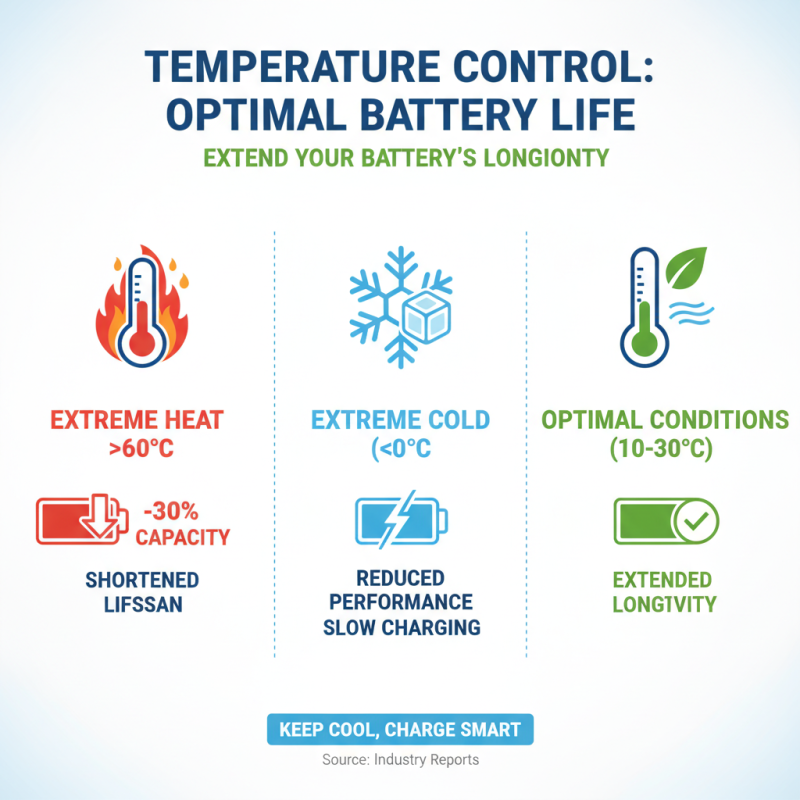
Temperature plays a significant role in battery lifespan. Extreme temperatures can shorten battery life drastically. According to industry reports, temperatures above 60°C can diminish battery capacity by up to 30%. Keeping batteries in optimal conditions can help extend their longevity.
One key tip is to avoid leaving batteries in hot places, like a car on a sunny day. Heat can cause internal damage. Aim to store them in a cool, dry environment. Monitoring temperature is crucial. Keep batteries away from direct sunlight and heat sources.
Another tip involves cool environments. Optimal storage temperatures are between 15°C to 25°C. Regularly check battery health, especially if stored for long periods. The ideal range impacts performance, ensuring batteries function effectively. Be mindful of environmental factors. Small choices can have a big effect.
Regular Maintenance: Tips for Cleaning and Inspecting Batteries
Maintaining the health of a 12 battery is crucial. Regular cleaning can significantly enhance its lifespan. Dust and corrosion can build up, impacting performance. A study from the Battery Research Institute found that clean terminals can improve conductivity by up to 25%. It only takes a few minutes to wipe terminals with a damp cloth. Ensuring they stay free from grime is vital.
Inspecting the battery regularly helps catch issues early. Look for cracks or leaks. These can indicate wear and tear. According to the National Institute of Standards and Technology, batteries should be inspected at least once every three months. A visual check can save money on replacements. If you spot damage, it’s better to address it sooner rather than later.
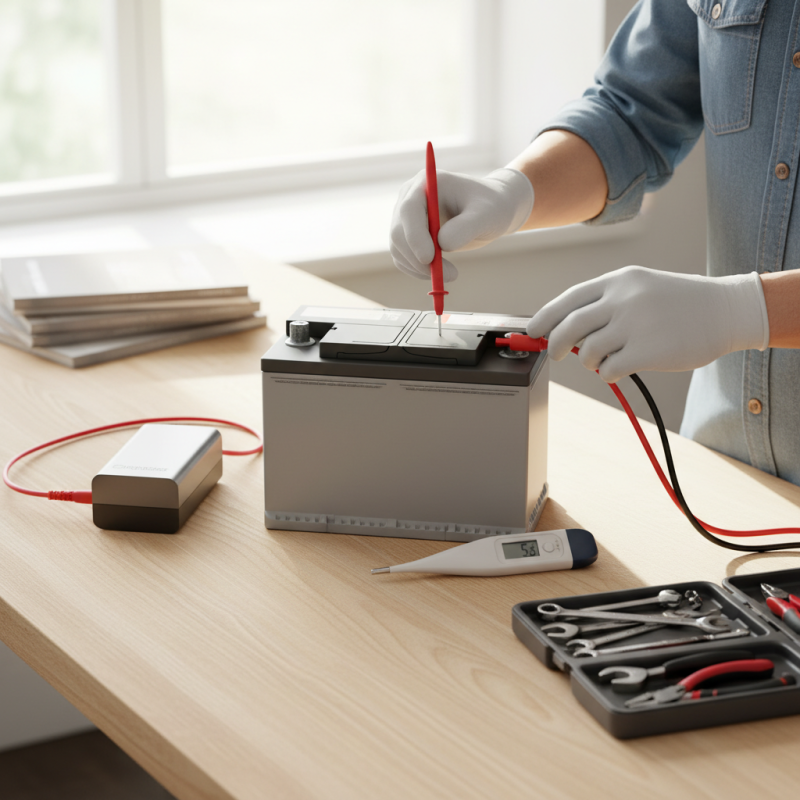
Using a multimeter can help assess battery health. Check the voltage levels regularly. If the readings are low, it may be time for a recharge or replacement. Staying proactive prevents unexpected failures. Sometimes, users neglect this step. However, a short, simple test can extend battery life significantly. Small efforts can lead to substantial payoffs, ensuring batteries remain reliable when you need them most.
Signs Your Battery Needs Replacement and How to Handle It
Batteries are essential for many devices, and recognizing the signs of a failing battery is crucial. According to a recent industry report, about 30% of battery-related problems stem from poor maintenance. Common signs of battery issues include rapid discharge, swelling, or unusual noises. If your device's battery drains unusually fast, it might be time to consider a replacement. Keeping an eye on these symptoms can save you money and prevent emergency situations.
When handling battery issues, immediate action is vital. If you notice a swollen battery, stop using the device. Experts stress that swollen batteries can leak chemicals and cause further damage. Dispose of any faulty batteries properly, following local guidelines. The average battery lifespan is around 2 to 3 years, but maintaining proper care can extend this. Proper charging habits, like avoiding overnight charging, can improve battery longevity significantly. Also, check for software updates, as manufacturers can enhance battery performance through their updates.
Monitoring your battery's health is essential. Applications that track battery status can provide detailed insights. According to consumer research, about 40% of users do not check their battery health regularly. Getting into the habit of monitoring can help prevent unexpected failures. Sometimes, it is easy to overlook the signs until it's too late. Don't let neglect shorten your battery’s life.
Battery Life Extending Tips and Replacement Signs