What Are Rotating Machines and How Do They Work?
Rotating Machines are essential in modern technology. They power everything from household appliances to industrial equipment. Understanding how these machines operate can help us appreciate their significance.
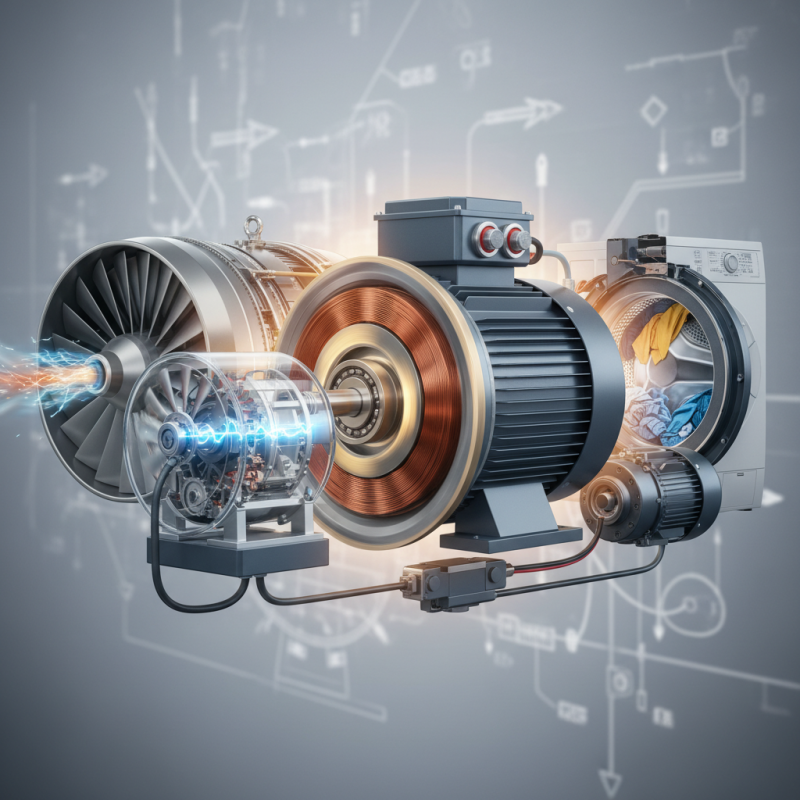
At their core, rotating machines convert energy into mechanical work. They can be found in generators, motors, and turbines. Each type serves a unique purpose, yet they share common principles.
However, the complexities of rotating machines can lead to inefficiencies. Misalignment or wear can decrease performance. Recognizing these issues is vital for engineers and users alike. Embracing the intricacies of rotating machines allows us to improve their functionality and longevity.
Definition and Overview of Rotating Machines
Rotating machines are essential components in various industries. They convert energy into mechanical motion. Common types include motors, turbines, and generators. These machines utilize rotational movement to perform tasks like driving equipment or generating electricity. Understanding their function helps us appreciate their role in modern technology.
A rotating machine typically consists of several key parts. The rotor is the rotating element. It spins around a fixed axis, creating motion. The stator is the stationary part that provides support and houses electrical components. Additionally, bearings help reduce friction during rotation. This structure allows for efficient operations and smooth performance, yet it can have flaws.
Despite their usefulness, rotating machines can face challenges. Wear and tear over time can affect efficiency. Regular maintenance is necessary to keep them running smoothly. Sometimes, machine failure can lead to costly downtime. Recognizing these potential issues helps in improving design and operation. Understanding the intricacies of rotating machines promotes better reliability and longevity.
What Are Rotating Machines and How Do They Work? - Definition and Overview of Rotating Machines
| Type of Rotating Machine | Definition | Common Uses | Key Components | Operating Principle |
| Electric Motor | A device that converts electrical energy into mechanical energy. | Home appliances, industrial machinery, fans. | Stator, rotor, windings. | Electromagnetic induction. |
| Generator | A device that converts mechanical energy into electrical energy. | Power plants, renewable energy systems. | Stator, rotor, excitation system. | Faraday's law of electromagnetic induction. |
| Turbine | A machine that extracts energy from a fluid flow and converts it into mechanical energy. | Electric power generation, jet engines. | Blades, rotor, shaft. | Conservation of energy and momentum transfer. |
| Fan | A device that moves air or other gases through mechanical action. | Ventilation, cooling systems. | Blades, motor, housing. | Dynamics of fluid motion. |
Types of Rotating Machines: An Overview of Common Types
Rotating machines are crucial in various industries. They convert energy into mechanical power. Common types include motors, generators, and turbines. Each serves a distinct function, yet they share the same operating principle: rotation.
Electric motors are widely used in homes and industries. They transform electricity into motion. Most motors, like those in washing machines, work seamlessly but can fail. Troubleshooting might involve checking wiring or connections. Sometimes, they overheat, leading to breakdowns.
Generators turn mechanical energy into electrical energy. They play a key role in power generation. Wind and hydroelectric plants rely heavily on these machines. However, they have limitations. Maintenance is essential to avoid outages. Turbines, often seen in power plants, harness wind or water flow. They can be efficient but suffer efficiency loss under variable conditions. The challenge is to optimize their performance while maintaining reliability.
Principles of Operation: How Rotating Machines Work
Rotating machines are essential in various industries. These machines convert energy into mechanical motion through rotating components. The fundamental principle at work is electromagnetic induction, which allows them to transform electrical energy into kinetic energy. According to a report by the Institute of Electrical and Electronics Engineers (IEEE), over 80% of global electrical energy is utilized in rotating machines.
The design of these machines varies, but some critical factors remain constant. For example, the efficiency of a motor can be significantly affected by its construction and materials. Data from the International Energy Agency (IEA) indicates that well-designed rotating machines can achieve efficiencies of over 95%. However, many machines still fall short. A substantial number operate below optimal levels, leading to energy losses.
Maintenance is another crucial element. Regular inspections can identify potential failures. Yet, often, companies overlook this aspect. A report from the International Council on Large Electric Systems (CIGRÉ) suggests that neglecting maintenance can reduce a machine's lifespan by up to 30%. Learning from these practices could improve both efficiency and reliability in the long term.
Applications of Rotating Machines in Various Industries
Rotating machines play a crucial role in various industries, transforming energy into movement. In manufacturing, they drive conveyor belts and pumps. They ensure smooth operations and enhance productivity. These machines include electric motors, turbines, and generators, each with specific functions.
One interesting application is in renewable energy. Wind turbines convert wind energy into electricity. This process reduces dependence on fossil fuels. However, transitioning to this technology can face challenges such as high initial costs and maintenance issues.
Tip: Regular maintenance can prevent unexpected breakdowns.
In the automotive sector, rotating machines power vehicles. Alternators generate electricity to charge batteries. This critical function ensures all electrical components operate efficiently. Yet, wear and tear can lead to performance drops.
Tip: Always check your vehicle's electrical system. Regular inspections extend the life of these machines.
In summary, rotating machines are integral across many sectors, offering efficiency and innovation. Understanding their applications helps industries optimize operations for a sustainable future.
Applications of Rotating Machines in Various Industries
Maintenance and Efficiency Considerations for Rotating Machines
Rotating machines are vital in many industries. They convert electrical energy into mechanical energy. However, maintenance is crucial for optimal performance. Lack of proper care can lead to failures. Regular checks help identify wear and tear before serious issues arise. Observing machinery vibrations can offer insights into potential problems. A small change in noise can indicate an imbalance, which may lead to larger complications.
Efficiency is another critical aspect. Operating at peak performance minimizes energy waste. Keeping machines clean reduces friction. Dust and debris can elevate operational temperatures. Machines can overheat without regular cleaning. Lubricating moving parts regularly is also essential. Neglecting lubrication leads to excess wear and could shorten the machine's lifespan.
It's important to recognize that even with good practices, issues can still occur. Unexpected breakdowns do happen. Therefore, having a contingency plan is necessary. Workers should be trained to respond to emergencies effectively. Regular training sessions can address this. Balancing efficiency and maintenance is an ongoing challenge. Reflecting on processes can lead to improvements over time.