What Is a Mower Battery and How Long Does It Last?

A mower battery is more than a removable power pack. It controls starting strength, cutting time, charging speed, and long-term running costs. The U.S. Department of Energy explains that lithium-ion batteries gradually lose capacity through use, age, heat, and improper charging. That matters on a warm afternoon, when a weak pack may stop before the final strip of grass is cut.

Industry data shows why this topic deserves attention. The Outdoor Power Equipment Institute reports that battery-powered outdoor equipment continues to gain market acceptance as households seek quieter and lower-maintenance tools. Grand View Research also identifies lithium-ion technology as a major growth area in the global lawn mower market. Kris Kiser, president and CEO of the Outdoor Power Equipment Institute, has said, “Battery-powered outdoor power equipment is here to stay.” His point is practical, not merely promotional.

Still, published lifespan estimates can mislead. A mower battery may deliver several hundred charge cycles, yet heavy mowing, winter storage, and high temperatures can shorten that figure. One homeowner may get five seasons. Another may notice reduced runtime after two. Battery chemistry matters. So does care.

This guide explains what a mower battery does, how long it typically lasts, and which warning signs suggest replacement. It also examines charging habits, storage temperature, warranty limits, and real cutting conditions. The honest answer is not one number. It is a range shaped by everyday use.
What Is a Mower Battery and How Long Does It Last?

What Is a Mower Battery and How Does It Work?

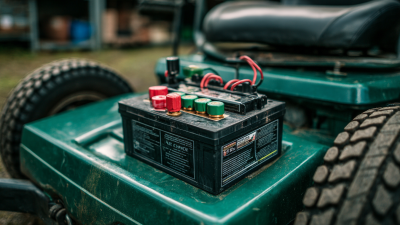
A mower battery stores chemical energy and releases it as electrical current. In a gasoline mower, a 12-volt lead-acid battery turns the starter motor and powers the ignition system. Pressing the start switch closes a circuit. The battery sends current through the motor, creating magnetic force that spins the engine crankshaft. After ignition, the alternator or charging coil replaces some used energy.

An electric mower works differently. Its lithium-ion cells move lithium ions between two electrodes during charging and discharging. A battery-management system monitors temperature, voltage, and current. It can reduce power when cells become too hot or heavily discharged. The U.S. Department of Energy’s 2023 Energy Storage Handbook commonly uses 80% remaining capacity as an end-of-life benchmark for lithium-ion systems. That does not mean the mower suddenly stops. Runtime simply becomes inconveniently short.

Real yards are messier than test benches. Wet grass, steep slopes, clogged decks, and cold storage increase electrical demand. A 12-volt lead-acid mower battery may last three to five years, while lithium-ion packs often deliver several hundred to over 1,000 full cycles, depending on depth of discharge and heat. The data varies. Battery Council International reports that lead batteries achieve a 99% recycling rate in the United States, showing mature recovery infrastructure, not guaranteed service life. I would not judge battery health by age alone. Slow cranking, rapid voltage drop, or reduced mowing time provides better evidence. Something is being missed. Storage temperature matters more than many owners expect.

What Is a Mower Battery and How Long Does It Last?

A mower battery stores chemical energy and releases it as electrical energy. In a riding mower, it usually supplies power for starting and electrical systems. In a cordless mower, the battery powers the motor. Rechargeable batteries work by reversing the chemical reaction during charging.

The chart shows typical charge-cycle ranges before noticeable capacity loss: one cycle represents roughly one full discharge and recharge. Actual service life depends on discharge depth, temperature, charging habits, storage conditions, maintenance, and battery quality. With seasonal use and proper storage, many mower batteries last several years.

What Are the Main Types of Mower Batteries?

What Is a Mower Battery and How Long Does It Last?

What Are the Main Types of Mower Batteries?

Mower batteries mainly use lead-acid or lithium-ion chemistry. Lead-acid batteries power many riding mowers and garden tractors. They deliver strong starting current at a moderate price. Flooded lead-acid models contain liquid electrolyte and need occasional inspection. Absorbent glass mat batteries are sealed, but still use lead-acid chemistry. They resist vibration better, according to Battery Council International guidance.

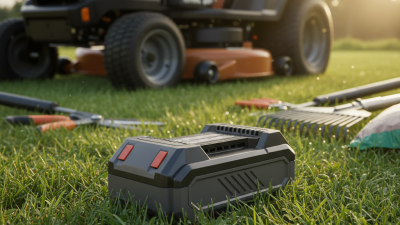
Lithium-ion batteries are common in cordless electric mowers. They are lighter and provide steadier power during cutting. The U.S. Department of Energy reports that lithium-ion cells can reach roughly 150–250 watt-hours per kilogram. That energy density helps reduce mower weight. However, heat, deep discharge, and poor storage can shorten battery life. A lead-acid mower battery often lasts three to five years. A lithium-ion pack may last five to ten years, depending on charging cycles and temperature. These ranges are not promises. Real lawns are messier than laboratory tests.

Tips: Check the battery terminals before each mowing season. Keep lead-acid batteries charged during storage. Do not leave lithium-ion packs in a hot shed. The U.S. Environmental Protection Agency reports a lead-acid battery recycling rate above 99% in the United States. Recycle worn batteries through an approved collection program. (Sources: U.S. Department of Energy, Battery Council International, U.S. Environmental Protection Agency.)

What Is a Mower Battery and How Long Does It Last? — Main Types of Mower Batteries

Battery Type Common Mower Use Typical Voltage Expected Service Life Typical Weight Maintenance Requirements Main Advantages Main Limitations
Flooded Lead-Acid Starting engines on riding mowers and lawn tractors Usually 12 V 2–4 years under normal seasonal use Approximately 8–12 kg (18–26 lb), depending on capacity Requires keeping the battery charged; some designs require periodic electrolyte-level checks and distilled-water additions Low purchase cost, widely available, and suitable for high starting-current demands Heavy, can spill if tipped, gradually loses charge during storage, and may require more care than sealed designs
AGM Lead-Acid Starting systems on riding mowers and lawn tractors; also used where vibration resistance is important Usually 12 V 3–5 years when properly charged and stored Approximately 9–14 kg (20–31 lb) Sealed and generally maintenance-free; still needs proper charging and protection from deep discharge Spill-resistant, vibration-resistant, good starting performance, and low maintenance More expensive than flooded lead-acid and can be damaged by incorrect charging voltages
Gel Lead-Acid Specialized mower starting or deep-cycle applications where a sealed battery is preferred Usually 12 V 3–5 years in suitable operating conditions Approximately 9–14 kg (20–31 lb) Sealed and maintenance-free, but must be charged with a charger designed for gel batteries Spill-resistant, low maintenance, and relatively tolerant of vibration Less suitable for very high starting-current demands than some AGM designs and sensitive to overcharging
Lithium-Ion Cordless walk-behind mowers, robotic mowers, and some battery-powered riding mowers Commonly 18–80 V, depending on the mower system 3–7 years or approximately 500–1,500 charge cycles, depending on chemistry and use Approximately 1.5–8 kg (3–18 lb) for many removable packs No water maintenance; use the correct charger, avoid extreme heat, and follow the recommended storage charge level Lightweight, high energy density, quick starting, low self-discharge, and no fuel or engine emissions during operation Higher initial cost, reduced runtime in very cold conditions, and replacement packs can be expensive
Lithium Iron Phosphate (LiFePO4) Some electric riding mowers, utility equipment, and systems requiring long cycle life Commonly 12–80 V, depending on the battery pack 5–10 years or approximately 2,000–5,000 charge cycles Approximately 2–12 kg (4–26 lb), depending on voltage and capacity No water maintenance; requires a compatible battery-management system and charger Long cycle life, strong thermal stability, and good resistance to repeated charging and discharging Usually costs more initially and may be larger or heavier than other lithium-ion chemistries with the same energy capacity
What a mower battery does: A mower battery stores electrical energy and supplies power for engine starting, ignition, lights, controls, or the electric motor itself. Battery life depends on temperature, charging habits, storage conditions, vibration, discharge depth, and the mower's charging system. To extend service life, keep the battery clean and securely mounted, use the correct charger, avoid leaving it fully discharged, and use a maintenance charger during long periods of storage when recommended by the mower manufacturer.

What Factors Affect a Mower Battery’s Lifespan?

A mower battery stores electrical energy for starting the engine or powering an electric cutting system. Its lifespan often ranges from two to five years, but conditions matter more than the calendar. A battery used weekly may age differently from one left untouched for months. Some fail earlier. Others last surprisingly long.

Temperature is a major influence. Extreme heat speeds up internal wear, while freezing conditions can reduce starting power and damage a weak battery. Charging habits also matter. Repeated deep discharges can shorten battery life, especially in rechargeable lithium or sealed lead-acid systems. Use the charger recommended for the battery type, and avoid leaving it connected indefinitely unless it supports automatic maintenance charging.

Workload affects longevity too. Tall, wet grass makes the motor draw more current, increasing heat inside the battery and wiring. Loose terminals create resistance, which can cause poor starting and extra strain. Vibration, dust, and moisture may also damage connections over time. Keep terminals clean and inspect the case for swelling, cracks, or leakage. Store the mower in a dry, moderate-temperature area. A cool shed is useful, but an unheated shed during severe winter may not be. Battery estimates are never exact. Usage records, charging behavior, and seasonal storage provide better evidence than age alone.

How Long Does a Mower Battery Typically Last?

A mower battery typically lasts three to five years with regular care. Lead-acid batteries often reach the lower end of that range. Lithium batteries may last five to eight years, depending on use and storage. A battery’s lifespan also differs from its runtime after charging. One full charge may support roughly 30 to 90 minutes of mowing. The exact time depends on grass thickness, terrain, temperature, and mower design.

In field maintenance, frequent short trips can shorten battery life. So can leaving the battery discharged for weeks. Heat is another quiet problem. A battery stored in a hot shed may lose capacity faster than expected. Watch for slow starting, dim dashboard lights, or sudden power loss. These signs often appear before complete failure. Still, estimates are not promises. Two identical batteries can age differently, and I have seen lightly used units fail earlier than heavily used ones.

Tips Charge the battery soon after mowing. Keep terminals clean and dry. Store it in a cool, sheltered place during long periods of non-use. Follow the mower’s charging instructions, especially for lithium batteries. Do not rely only on appearance; a battery can look clean while holding very little charge. Test its voltage with a suitable meter when performance changes. A professional inspection is sensible if the battery swells, leaks, smells unusual, or becomes unusually hot.

How Can You Maintain and Replace a Mower Battery?

A mower battery usually lasts three to five years, but maintenance can change that range. Heat, vibration, deep discharge, and long storage often shorten its service life. Keep it dry. After mowing, inspect the battery case for cracks, swelling, or leaks. Any of these signs means replacement is safer than continued use.

Clean terminal corrosion with a suitable battery brush, then tighten loose connections carefully. Do not guess. Check the charging system with a multimeter, because a weak battery may actually reflect a faulty charger or wiring. For lead-acid batteries, use the correct charger and keep the area ventilated. Lithium batteries require their specified charger and should not be opened or repaired at home. Before storage, remove the battery if the manual recommends it, charge it properly, and store it in a cool, dry place.

Replacement becomes likely when the mower cranks slowly, loses power after charging, or fails a load test. A voltage reading alone can look healthy, which is an easy mistake to make. Match the replacement battery’s voltage, chemistry, dimensions, terminal position, and starting capacity. Turn off the mower and remove the key first. Disconnect the negative cable before the positive cable. Install the new battery in reverse order, then secure it firmly to reduce vibration. Small corrosion matters. I once underestimated a loose terminal, and the mower stopped again days later. Recheck every connection before cutting grass.