Essential Tips for Lawn Battery Care and Maintenance?
Maintaining your lawn battery is key for a healthy yard. According to lawn battery expert Dr. James Carter, "Proper care extends battery life and improves performance." Understanding this can change how you approach lawn maintenance.
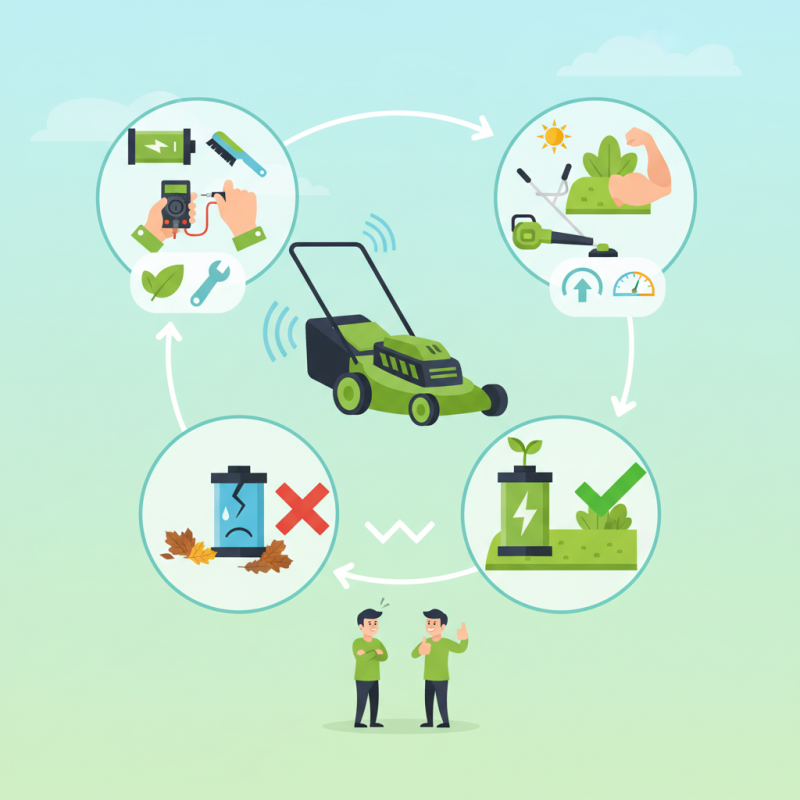
Lawn batteries power essential equipment like mowers, trimmers, and blowers. These devices rely on efficient energy to operate well. Neglecting battery care can lead to poor performance and unexpected failures. Regularly checking voltage and cleanliness can prevent these issues.
Let’s face it: everyone makes mistakes. It’s easy to forget regular maintenance. You might charge the battery and ignore other aspects. This can shorten its lifespan significantly. Paying attention to details can be the difference between a thriving lawn and a frustrating experience.
Understanding Lawn Battery Types and Their Applications
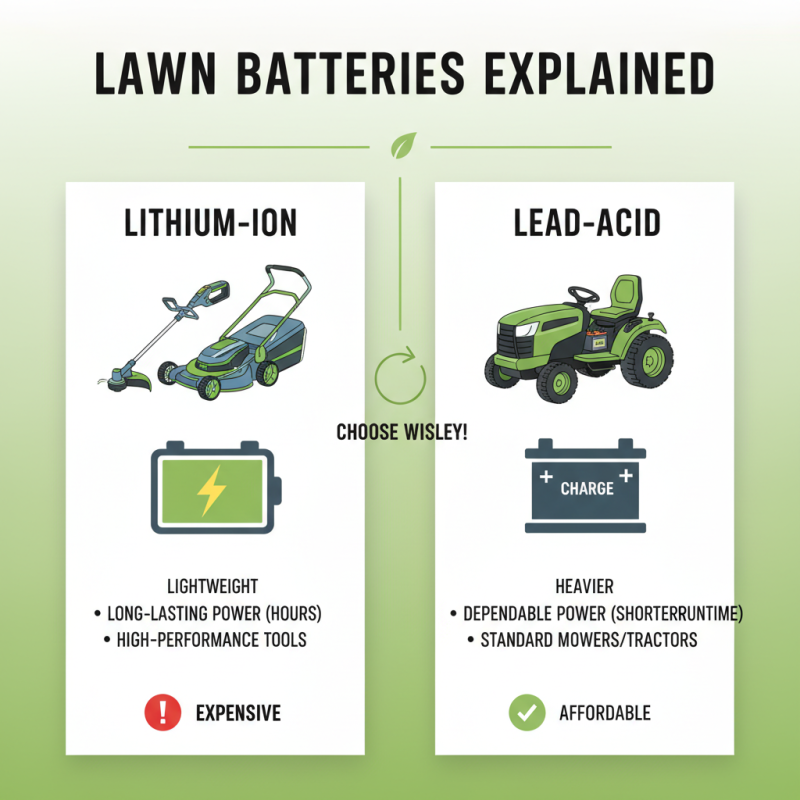
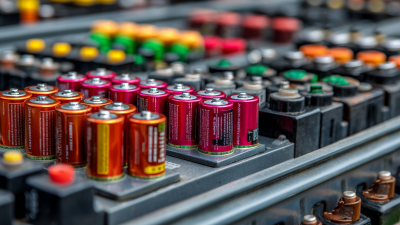
Understanding the different types of lawn batteries is crucial for effective maintenance. Lithium-ion batteries are popular due to their lightweight and long-lasting power. They can run for hours without needing a recharge. These batteries are often used in high-performance mowers and trimmers. However, they can be expensive, which is a consideration for many homeowners.
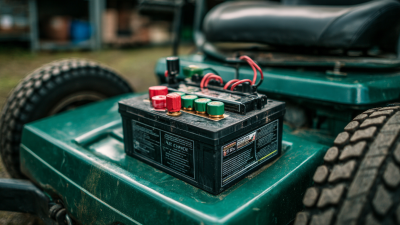
Lead-acid batteries are another option. They tend to be heavier and less expensive than lithium-ion. While they may provide reliable performance, they usually require more frequent maintenance. Regular checks for corrosion and fluid levels can be a hassle. Most homeowners overlook this, leading to reduced battery life. It’s important to remember that maintenance varies with the battery type.
Make sure to choose the right battery for your needs. Consider how frequently you mow your lawn and the size of your yard. Understanding these factors can help in selecting the best battery. Remember that a battery’s lifespan can be affected by weather conditions. Extreme temperatures may cause batteries to underperform. It's essential to store them properly during off-seasons.
Essential Safety Precautions for Lawn Battery Usage
When using lawn batteries, safety is paramount. Always check for damage before use. A cracked casing or exposed wires can pose serious risks. If you notice any issues, don’t use the battery. Store it in a cool, dry place. Avoid direct sunlight as heat can cause malfunction or explosion.
Regularly maintain your lawn battery. Clean the terminals to prevent corrosion. This simple step can extend the battery's life significantly. Use a damp cloth and a mild cleaner for the terminals. Keep the battery charged. A fully charged battery is safer and performs better. Over time, batteries may lose capacity, so keep an eye on their performance.
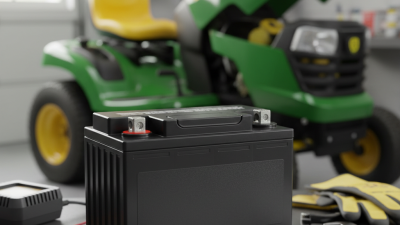
Never mix old and new batteries. This can lead to unpredictable results. If you're unsure about battery health, it's better to consult a professional. Remember to wear gloves when handling batteries. Even small leaks can cause skin irritation. Taking these precautions allows for safer and more efficient lawn care.
Essential Tips for Lawn Battery Care and Maintenance
This chart displays the recommended practices for lawn battery care and their corresponding effectiveness ratings based on user feedback. The practices include regular charging, proper storage, and avoiding deep discharge.
Step-by-Step Guide to Charging and Maintaining Lawn Batteries
When it comes to charging lawn batteries, proper technique is crucial. Begin by locating a well-ventilated area. Remove the battery from the device to avoid any potential damage. Always check connections for corrosion. This simple inspection can save you from bigger issues down the line.
Next, connect the charger carefully. Ensure that the positive terminal connects to the positive lead and the negative to the negative. It may sound easy, but mistakes happen. I’ve learned the hard way—incorrect connections can lead to battery failure. Keep an eye on the charging process. Some batteries heat up during charging. If they become too warm, disconnect them and assess the situation.
Regular maintenance is also vital. Clean the battery terminals regularly. A small brush can do wonders here. Inspect for any signs of wear or leakages. If you notice any, take action immediately. Neglecting small issues can result in larger problems later. Learning from past mistakes is part of the process. Remember, a well-maintained battery lasts longer and performs better.
Signs of Lawn Battery Wear and When to Replace
When it comes to lawn battery maintenance, recognizing signs of wear is crucial. A common sign is reduced run time. If your lawn equipment runs out of power quickly, the battery may be nearing its end. According to industry data, batteries typically last between two to five years, depending on usage. If a battery shows significant loss in efficiency, it might be time for a replacement.
Another indicator of battery wear is physical damage. Inspect for cracks, swelling, or corrosion. These issues can compromise performance and safety. A report from the Battery University suggests that damaged batteries not only perform poorly but can also pose risks during use. Regular checks and maintenance can enhance battery lifespan, but not all batteries respond the same.
Additionally, if your battery is over three years old, consider testing it. Performance declines gradually and may go unnoticed. Many users report delays in replacing aging batteries until they fail completely. Keeping an eye on these signs, and maintaining your battery with care, can save money in the long run. Don't wait for complete failure—stay ahead of the problem.