What Are Rig Accessories for Global Buyers?
For global buyers, rig accessories are not minor add-ons. They influence drilling safety, equipment compatibility, operating speed, and maintenance costs. A clamp, swivel, elevator, mud-line component, or rotary-table accessory can affect an entire rig system. The wrong choice may create vibration, premature wear, or unexpected downtime.
Dr. Maurice B. Dusseault, a recognized petroleum engineering expert, has emphasized a practical principle: “Good engineering is the foundation of safe and reliable drilling.” This idea applies directly to rig accessories. Buyers should examine load ratings, material quality, connection sizes, temperature limits, certification, and supplier documentation. A product may look suitable in a catalog, yet fail during cold-weather transport or high-cycle drilling. Details matter.
Experience in the field also changes the buying decision. A warehouse manager may prioritize spare-part availability. A drilling contractor may focus on torque performance and fast replacement. An international distributor may need stable packaging, clear manuals, and consistent batch quality. These needs are not identical.
Global purchasing is rarely simple. Standards can differ between regions. Delivery promises can also sound better than reality. Buyers should verify technical drawings, inspection records, warranty terms, and after-sales support before placing large orders. That step is easy to overlook.
Reliable sourcing requires more than a low price. It requires evidence, communication, and careful comparison. Some buyers still select accessories by appearance or habit. That approach deserves reconsideration. The strongest supplier is not always the largest one. It is the supplier that can prove compatibility, traceability, and dependable service when the rig is working under pressure.
What Are Rig Accessories and Why Do Global Buyers Need Them?
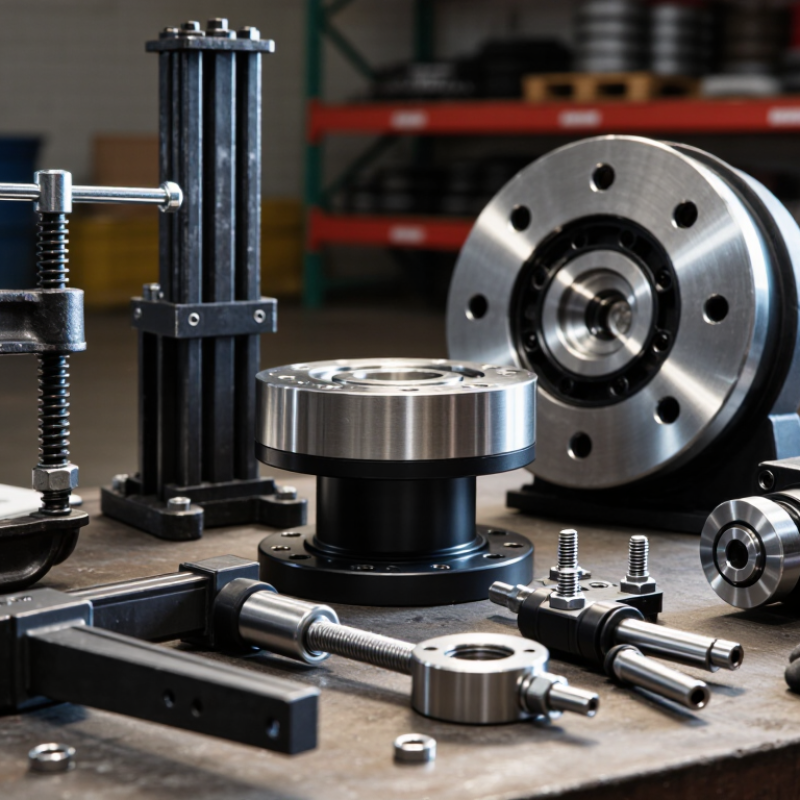
Rig accessories are the supporting components that make a drilling rig safer, more efficient, and easier to maintain. They may include lifting tools, hoses, clamps, valves, gauges, filters, lighting systems, and protective covers. Each part has a specific job. A pressure gauge helps operators monitor changing conditions, while a properly rated hose controls fluid movement under demanding workloads.
Global buyers need these accessories because drilling environments differ sharply. A coastal site may require corrosion-resistant materials, while a remote project may need durable parts and simple repairs. Compatibility matters too. Buyers should check connection sizes, working pressure, temperature limits, load ratings, and available replacement parts before ordering. A small mismatch can stop an entire operation.
Documentation is important. Reliable suppliers should provide material details, test records, installation guidance, and inspection information. Local electrical rules and safety requirements must also be reviewed before shipment. In practical purchasing, low price alone can create hidden costs through downtime, rework, or early replacement. I have seen buyers focus on the main rig and overlook basic clamps or seals. That mistake is expensive.
Some choices remain imperfect. A highly durable accessory may weigh more or cost more, and the lightest option may not survive rough handling. Buyers should compare the full working environment, not just a product photograph. Sample checks, technical questions, and a spare-parts plan often reveal problems before equipment reaches the site.
What Are Rig Accessories for Global Buyers? - What Are Rig Accessories and Why Do Global Buyers Need Them?
| Accessory | Primary Function | Common Rig Applications | Typical Materials or Specifications | Why Global Buyers Need It | Key Purchasing Considerations |
|---|---|---|---|---|---|
| Drill Rods | Transmit rotation, torque, and drilling force from the rig to the bit or downhole tool. | Water-well drilling, geotechnical investigation, mining exploration, and construction drilling. | Usually manufactured from alloy steel with threaded connections; available in different outside diameters, lengths, and thread profiles. | Correct rod selection improves drilling alignment, reduces energy loss, and helps prevent premature thread or tube failure. | Confirm rod diameter, working length, thread type, straightness, wall thickness, and compatibility with the chuck and drill string. |
| Drill Bits | Cut, crush, or abrade rock, soil, concrete, or other geological formations. | Rotary drilling, percussion drilling, core drilling, soil sampling, and foundation work. | Common types include drag bits, tricone bits, button bits, PDC bits, and diamond core bits; cutting elements vary by formation hardness. | Bit selection directly affects penetration rate, hole quality, tool life, and total drilling cost. | Match the bit to formation hardness, abrasiveness, drilling method, bit connection, flushing medium, and required hole diameter. |
| Core Barrels | Recover cylindrical rock samples during diamond or wireline core drilling. | Mineral exploration, geotechnical surveys, geological mapping, and engineering investigations. | Available in single-tube, double-tube, and triple-tube designs; common systems use standardized metric or inch-based core sizes. | Reliable core recovery provides representative samples for geological analysis and project decisions. | Check core size, barrel length, inner-tube condition, overshot compatibility, bearing assembly, and availability of replacement parts. |
| Drill Casing | Supports unstable borehole walls and prevents loose soil or fractured formations from collapsing. | Overburden drilling, water wells, foundation drilling, environmental sampling, and unconsolidated ground. | Commonly made from steel; supplied in different outside diameters, wall thicknesses, lengths, and connection styles. | Casing helps maintain hole stability, protects the drill string, and improves borehole accuracy in difficult ground. | Evaluate ground conditions, casing diameter, collapse resistance, connection strength, recovery method, and corrosion exposure. |
| Drill Rod Couplings | Join individual drill rods while maintaining torque transmission and a continuous drilling string. | All rotary and percussion drilling systems using sectional drill rods. | Usually produced from heat-treated alloy steel with internal threads matched to the rod profile. | Proper couplings protect rod threads, reduce vibration, and help maintain reliable downhole connections. | Verify thread profile, outside diameter, shoulder design, heat treatment, concentricity, and spare-part availability. |
| Swivel Joints | Allow drilling fluid, air, or water to pass into the drill string while the string rotates. | Mud rotary drilling, air drilling, water-well drilling, and fluid-assisted exploration drilling. | Typically include a rotating spindle, seals, bearings, and fluid ports; pressure ratings vary by design. | A suitable swivel supports continuous fluid circulation and reduces downtime caused by leakage or bearing failure. | Check working pressure, flow rate, spindle connection, seal material, rotation speed, and operating temperature. |
| Mud Pumps | Circulate drilling fluid to cool the bit, remove cuttings, stabilize the borehole, and control downhole pressure. | Mud rotary drilling, geotechnical drilling, water wells, and directional drilling support. | Common designs include duplex and triplex reciprocating pumps; flow and pressure depend on pump size and drive system. | Consistent fluid circulation improves hole cleaning, bit performance, and drilling stability. | Compare flow rate, pressure, power source, liner and piston materials, spare-part access, and local maintenance capability. |
| Air Compressors | Supply compressed air for air drilling, cuttings removal, down-the-hole hammers, and equipment cleaning. | Hard-rock drilling, quarrying, mining, construction, and water-well drilling. | Usually specified by free-air delivery, discharge pressure, engine or motor power, and operating altitude. | The correct compressor provides sufficient air volume and pressure for the selected bit or downhole hammer. | Consider required air delivery, pressure, fuel availability, ambient temperature, altitude derating, noise, and transport requirements. |
| Downhole Hammers | Deliver percussive impact energy directly to the drill bit at the bottom of the hole. | Hard-rock drilling, water wells, mining, quarrying, and blast-hole drilling. | Usually operated with compressed air; hammer size must correspond to the drill string, bit shank, and borehole diameter. | Downhole impact drilling can provide efficient penetration and relatively straight holes in competent rock. | Match hammer size, operating pressure, air consumption, bit shank, lubrication method, and local replacement-part supply. |
| Rod Clamps and Breakout Tools | Hold, grip, tighten, or release drill rods and casing during connection and extraction operations. | Rotary rigs, core rigs, water-well rigs, and rigs with manual or hydraulic rod handling. | May use hardened jaws, replaceable inserts, hydraulic cylinders, or mechanical handles depending on rig design. | They improve operator safety, reduce connection damage, and shorten rod-changing time. | Confirm gripping range, maximum torque, jaw profile, hydraulic pressure, replacement insert design, and rig mounting space. |
| Rod Handler or Pipe Rack | Stores, positions, and transfers drill rods or casing around the rig. | Deep drilling, core drilling, geotechnical work, and projects requiring frequent rod changes. | Designed for the rod length and load capacity required by the drilling system; may be manual, hydraulic, or mechanized. | Organized rod handling reduces manual lifting, improves site productivity, and supports safer operations. | Assess rated load, rod length, transport dimensions, lifting points, hydraulic requirements, and site space. |
| Foam and Drilling-Fluid Additives | Improve cuttings transport, borehole stability, lubrication, dust suppression, or fluid-loss control. | Air drilling, water-well drilling, loose formations, fractured rock, and environmentally controlled projects. | Products may include foaming agents, viscosifiers, lubricants, and lost-circulation materials; application depends on water chemistry and geology. | Proper fluid conditioning can improve drilling performance and reduce stuck tools or unstable holes. | Check local environmental rules, dosage requirements, water compatibility, biodegradability, storage conditions, and disposal procedures. |
| Water Swivels and Injection Lines | Deliver water or drilling fluid to the rotating drill string for cooling and flushing. | Rotary drilling, concrete coring, geotechnical drilling, and dust-controlled operations. | Selected according to flow rate, pressure, connection size, hose length, and seal configuration. | Reliable fluid delivery helps control heat, remove cuttings, and reduce airborne dust at the drilling point. | Verify pressure rating, hose flexibility, abrasion resistance, fitting standards, sealing materials, and replacement availability. |
| Safety Guards and Personal Protective Equipment | Reduce exposure to rotating parts, flying debris, noise, dust, pressure, and manual-handling hazards. | All drilling environments, including construction sites, mines, quarries, and exploration camps. | Examples include machine guards, emergency-stop devices, eye protection, hearing protection, gloves, helmets, and respiratory protection. | Safety accessories support responsible operation and help buyers meet workplace safety obligations in different jurisdictions. | Review risk assessments, local regulations, operator training, guarding requirements, inspection schedules, and certification needs. |
| Maintenance and Seal Kits | Replace wear parts such as seals, O-rings, bearings, valves, liners, pistons, and fastening components. | Swivels, mud pumps, compressors, hydraulic systems, and downhole drilling tools. | Kit contents should correspond to the equipment model, service interval, operating fluid, and temperature range. | Planned spare parts reduce unplanned downtime and make remote drilling projects easier to support. | Confirm part dimensions, elastomer compatibility, storage life, service instructions, quantity requirements, and delivery lead time. |