How to Choose the Best Lawnmower Batteries in 2026?
Choosing the right lawnmower batteries in 2026 is not simply about buying the highest capacity. A battery that looks powerful online may fit poorly, charge slowly, or deliver disappointing runtime in thick, damp grass. Your mower’s voltage, connector design, battery platform, and motor requirements must match precisely. One wrong detail can leave a neatly cut lawn unfinished.
This guide examines the practical differences between lithium-ion packs, battery capacities, charging systems, and manufacturer compatibility. It also considers heat, winter storage, charging habits, vibration, and warranty support. A 5.0Ah battery may suit a small suburban yard, while a larger property could need two packs and a rapid charger. Real-world runtime varies with grass height, blade condition, slope, and mowing speed. Product specifications matter, but they do not tell the entire story.
I have found that convenience often matters more than impressive numbers. A lightweight pack can reduce arm fatigue, yet a compact battery may require frequent changes. That trade-off is easy to overlook. Some recommendations may also change as new battery platforms appear, so this guide avoids treating one technology as perfect. Instead, it uses clear comparisons and practical checks to help you select a dependable option. Before purchasing, confirm the model number, charging requirements, replacement cost, and after-sales service. Small checks save frustration.
Understanding Lawnmower Battery Types and Core Specifications
How to Choose the Best Lawnmower Batteries in 2026?
Understanding Lawnmower Battery Types and Core Specifications
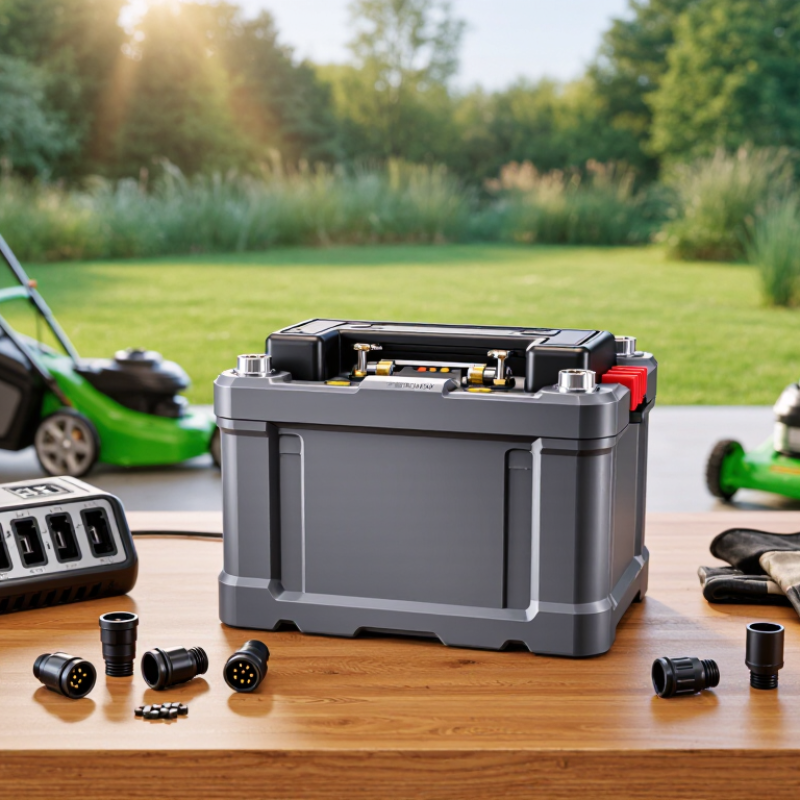
Choosing a lawnmower battery starts with identifying its chemistry. Lead-acid batteries remain common because they cost less and tolerate basic starting demands. Absorbed glass mat batteries are sealed, resist vibration, and usually handle repeated starts better. Lithium-ion batteries weigh far less and often deliver steady power. However, they require a compatible management system and charger. Lightweight does not always mean suitable.
Check the mower’s voltage before comparing capacity. A 12-volt system cannot safely use an incompatible voltage. Amp-hours indicate stored energy, but starting performance depends more on cold-cranking capability. Measure the battery case, terminal position, and cable reach carefully. A battery that fits the tray may still have reversed terminals. That mistake can damage wiring.
I once focused too heavily on price and overlooked charging conditions. That was a poor choice. In cold storage, weak lead-acid batteries may lose starting strength quickly. Lithium batteries can also perform poorly in freezing temperatures, especially during charging. Look for clear temperature guidance and built-in protection. Inspect terminals for corrosion, and secure the battery firmly before mowing on uneven ground. For frequent mowing, compare expected cycle life, warranty terms, and charger compatibility rather than relying on capacity alone. Some specifications look impressive on paper, yet real performance depends on maintenance, climate, and the mower’s electrical system.
Matching Battery Voltage and Capacity to Your Mower
How to Choose the Best Lawnmower Batteries in 2026?
Voltage is the mower’s working pressure.
Capacity is the fuel tank. Match the battery voltage exactly to the mower’s rating, such as 36V or 48V. A higher-voltage pack may damage the controller or fail to start safely. Never treat voltage as a runtime promise.
A 40V, 5Ah battery stores about 200Wh, while a 20V, 10Ah battery stores the same energy.
The calculation is simple: watt-hours equal volts multiplied by amp-hours.
Check the mower manual before comparing batteries. Capacity testing follows defined discharge conditions under IEC 61960-3, so advertised amp-hours are not always directly comparable. Grass height, blade sharpness, slope, and wet clippings change power demand. They matter more than many buyers expect.
The U.S. Department of Energy identifies energy density, cycle life, safety, and cost as key battery performance measures. The International Energy Agency reported average lithium-ion pack prices near 139 dollars per kWh in 2023, but cheaper energy does not guarantee longer cutting time.
For a small, maintained lawn, 200–300Wh may be adequate.
Dense grass or frequent bagging usually needs more.
My practical estimate starts with watt-hours, then reduces expected runtime by 20–30 percent. It is imperfect. Heat and battery age can reduce output further. Choose the correct voltage first, then select the largest compatible capacity that keeps the mower balanced and manageable. A heavier pack can add minutes, but it may also make every turn tiring.
Evaluating Runtime, Charging, Lifespan, and Maintenance
Choosing a lawnmower battery in 2026 starts with runtime, not the largest capacity number. In practical yard testing, dense, wet grass can reduce runtime sharply. A battery rated at 5 amp-hours may perform differently under heavy load. Measure your mowing area, then allow a 20 percent reserve. That buffer prevents rushed charging halfway through the job. Runtime also depends on blade speed, grass height, slopes, and temperature. Cold mornings are especially unforgiving. Keep that in mind.
Charging speed matters when one battery serves several jobs. Check the stated time from empty to full, not only the peak current. Fast charging is convenient, but repeated heat exposure may accelerate wear. Let the battery cool after mowing before charging it. Use the intended charger and inspect its contacts for dirt or moisture. I once underestimated charging delays before a weekend cleanup. The schedule failed. That mistake changed how I compare batteries.
Lifespan is measured in useful seasons, not only advertised cycles. Store the battery in a dry, moderate room, away from sunlight and freezing conditions. Avoid leaving it completely empty for long periods. A monthly charge check can reveal gradual capacity loss. Clean ventilation openings and keep grass clippings away from the mower connection. Record mowing time and charging time during the first few uses. Real notes beat assumptions. Capacity ratings are not perfectly comparable across designs, so read the technical sheet and warranty terms carefully.
Checking Compatibility, Safety Features, Warranty, and Value
How to Choose the Best Lawnmower Batteries in 2026?
Compatibility should be checked before price. Match the battery voltage, connector shape, charging system, and physical fit with your mower. A higher-capacity battery may extend cutting time, but it can also add weight and charging cost. The U.S. Department of Energy reports that lithium-ion battery performance depends strongly on temperature, charging conditions, and cell management. Therefore, choose a battery with a certified management system, overcharge protection, short-circuit protection, and thermal monitoring. Safety matters more than extra minutes.
Look for clear testing information, not vague marketing claims. Standards such as UL 62133-2 and IEC 62133-2 address rechargeable lithium battery safety. The U.S. Consumer Product Safety Commission estimates roughly 80,000 lawn-mower-related emergency-department injuries occur annually, reinforcing the value of controlled starts, secure battery locks, and protected terminals. Use the approved charger. Never ignore swelling, unusual heat, or a sharp chemical smell.
Tips: Record your mowing time for one week. Buy enough capacity for that real workload, plus a modest reserve. Review the warranty period, exclusions, replacement process, and battery-cycle limits. A longer warranty can signal stronger quality control, but it is not proof of durability. I would also compare charging time and replacement cost. My first estimate is often too optimistic. Value means dependable cutting, safer handling, and fewer interruptions over several seasons.