Choosing the right batteries for your needs can be a daunting task. With so many options available, it’s essential to understand the types and features of batteries. Quality battery selection can impact your devices' performance and longevity.
Batteries come in various shapes and sizes, catering to different devices. From AA batteries for remote controls to specialized lithium-ion batteries for electric vehicles, each type serves a unique purpose. Understanding these distinctions is crucial.
However, navigating the battery market isn’t always straightforward. Misinformation can lead to poor choices, resulting in reduced efficiency. Relying on trusted sources enhances your decision-making process. It’s vital to reflect on your specific needs. Determining whether you require short-term power or long-lasting energy can shape your decision significantly.
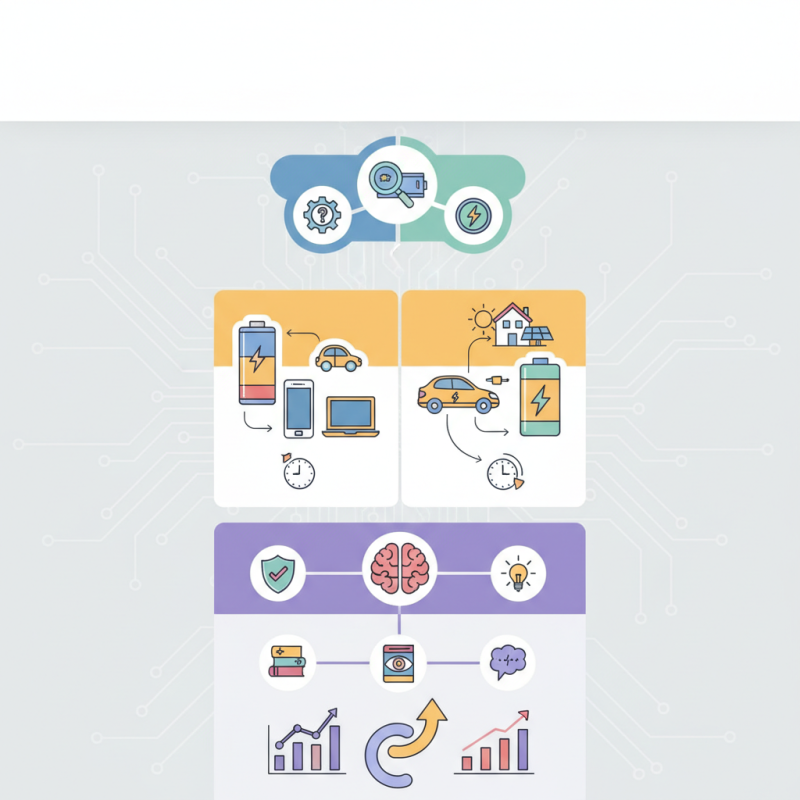
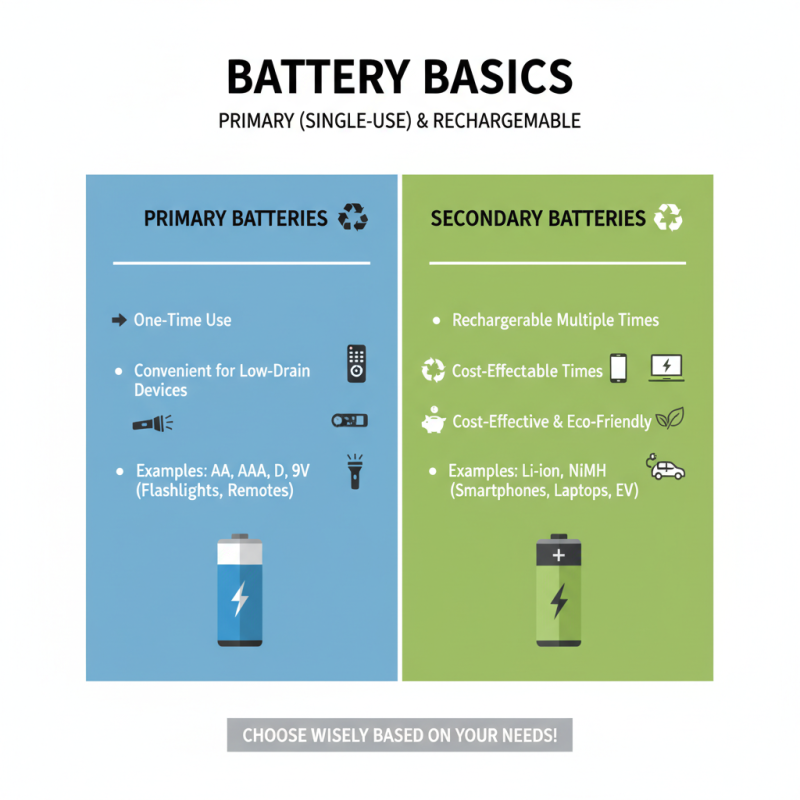
When selecting batteries, understanding the different types is crucial. Batteries generally fall into two categories: primary (single-use) and secondary (rechargeable). Primary batteries are convenient for devices like remote controls and flashlights. They provide a reliable power source but cannot be recharged. On the other hand, rechargeable batteries, often used in smartphones and laptops, can save money and reduce waste over time.
The chemistry of batteries varies significantly. Alkaline batteries are common for household use, while lithium-ion batteries are prevalent in modern electronics. Nickel-metal hydride (NiMH) batteries offer a balance between capacity and environmental impact. While lithium batteries provide longer life, they can be more expensive. Always consider the energy needs of your devices. Some may require high-drain batteries, while others work well with standard options.
Moreover, the size and voltage of batteries matter. AA, AAA, 9V, and specialty sizes are common in market. Even the same type might not fit all devices. Misjudging this can lead to frustration and wasted time. Reflect on your usage habits before making a choice. Think about the environmental impact of disposal. Making informed choices can ultimately lead to better performance and sustainability.
When assessing your power needs, understanding voltage, capacity, and energy requirements is vital. Voltage determines the energy level supplied by a battery. It can range from 1.5 volts for standard cells to over 300 volts for specialized applications. Knowing the correct voltage ensures compatibility with your devices. Using a battery with the wrong voltage can lead to malfunction or damage.
Capacity refers to the total charge a battery can hold, typically measured in amp-hours (Ah). A higher capacity means the battery can power devices for longer periods. For example, if you need a battery for a camping trip, consider how long you want to run your lights. Calculate the total energy consumption to find the right capacity.
Energy requirements are equally important. They dictate not just the voltage and capacity, but also how efficiently your devices use energy. Different applications have varying demands. Reflecting on your own needs helps ensure you choose appropriately. Sometimes, it’s about trial and error to find the best fit. Avoid assuming one battery type meets all needs; evaluating each situation is essential for optimal performance.
When evaluating battery lifespan, two crucial factors come into play: charge cycles and shelf life. Charge cycles refer to the number of complete discharges and recharges a battery undergoes. Most batteries have a finite number of cycles before their capacity diminishes significantly. For frequent users, understanding this can help manage expectations. A battery that promises 500 cycles may not perform as well after the 300th use. Such insights are essential for optimizing usage.
Shelf life, on the other hand, measures how long a battery can sit unused before its performance declines. Certain battery types may lose their charge even when not in use. This aspect is often overlooked by consumers. Batteries stored improperly can experience faster degradation. Humidity and temperature impact battery health significantly. It’s worth considering how and where you store these crucial energy sources. Reflecting on the balance between usage and storage will lead to better battery selection.
Not all battery types offer the same advantages. Some perform better under specific conditions than others. Users need to assess their unique situations. The best choice may vary from one person to another. In less-than-ideal circumstances, a battery could fail to meet expectations. Keeping these factors in mind helps users make informed decisions, avoiding future frustrations.
| Battery Type | Typical Lifespan (Years) | Charge Cycles | Shelf Life (Years) | Best Use Cases |
|---|---|---|---|---|
| Lithium-ion | 3-5 | 500-1500 | 2-3 | Smartphones, Laptops |
| Nickel-Metal Hydride (NiMH) | 3-5 | 500-1000 | 3-5 | Digital Cameras, Power Tools |
| Lead-Acid | 3-6 | 200-300 | 4-6 | Cars, UPS |
| Lithium Polymer | 2-4 | 300-500 | 1-2 | Drones, RC Vehicles |
| Alkaline | 2-5 | 100-200 | 5-10 | Toys, Remote Controls |
When choosing batteries, the type can greatly influence your experience and performance. Rechargeable batteries offer convenience and long-term savings. A study by the Battery University indicated that they can save users up to 70% over time. These batteries can typically be recharged hundreds of times, which reduces waste. Their initial higher cost often pays off swiftly, especially for high-use devices.
Non-rechargeable batteries, on the other hand, are still widely favored for specific applications. They are perfect for devices used intermittently. According to the Environmental Protection Agency (EPA), single-use batteries create nearly 3 billion pounds of waste each year in the U.S. This figure raises concerns about environmental impact. Users must weigh the benefits of convenience against the environmental implications.
Understanding your needs is essential. For devices needing frequent power, rechargeable batteries shine. Meanwhile, non-rechargeable batteries offer simplicity for occasional use. Balancing convenience and sustainability requires thoughtful consideration, as personal habits impact battery choice. Emphasis on responsible disposal plays a role too. Choosing requires more than just a quick decision; it invites reflection on usage patterns and environmental responsibility.
When choosing batteries, safety and environmental impact are crucial. Proper disposal and recycling options help reduce waste. In 2021, the International Energy Agency reported that around 3 million tons of lithium-ion batteries were used globally. Yet, only 5% were recycled effectively. This points to a pressing issue in battery management.
Improper disposal can lead to hazardous materials leaching into the environment. In the U.S., the Environmental Protection Agency states that batteries contain heavy metals, which can poison soil and water. This poses risks not only to ecosystems but also to human health. Encouraging safe disposal practices is essential.
Recycling programs for batteries are improving. In Europe, the Battery Directive mandates that 45% of portable batteries be collected and recycled. While this is a significant step, many options remain underutilized. Communities must educate residents on local recycling centers. Increasing awareness can bridge the gap between battery use and recycling rates.