Hdpe Welding Techniques for Efficient Global Procurement?
Efficient procurement in the global market increasingly relies on advanced techniques such as Hdpe Welding. High-density polyethylene welding is crucial for various industries. According to a recent report by Allied Market Research, the global HDPE market is expected to reach $80 billion by 2027. The demand for durable, lightweight, and corrosion-resistant materials drives this growth.
However, adopting HDPE welding techniques isn't straightforward. A lack of standardization in welding processes can lead to significant inefficiencies. The quality of welds greatly affects the lifespan of products. An imperfect weld could result in costly repairs or replacements. Statistical data indicates that approximately 15% of all industrial failures stem from inadequate welding practices.
Investing in skilled welders and proper training mitigates these issues. Training programs can enhance expertise in HDPE welding techniques. Yet, many companies still overlook the importance of this investment. As the industry evolves, understanding HDPE welding's role in global procurement becomes essential for sustainable growth and competitiveness.
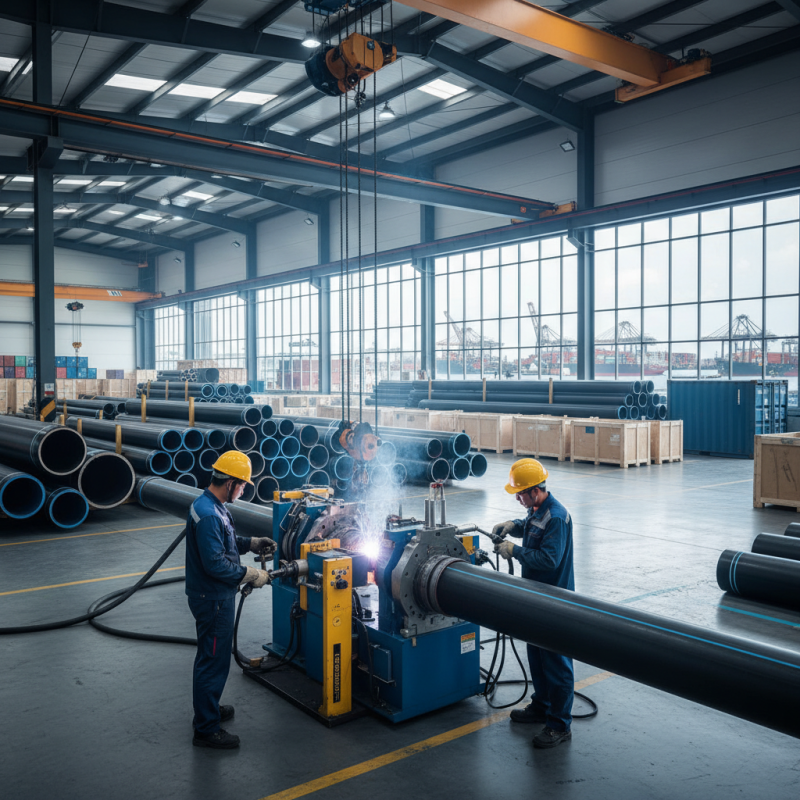
HDPE Welding Techniques: An Overview of Global Practices
HDPE welding techniques play a crucial role in global procurement processes. Understanding these methods is vital for efficiency and effectiveness. For instance, fusion welding is one of the most common techniques. It involves heating the surfaces of HDPE materials until they melt and then pressing them together. This technique forms a strong bond but requires precision.
Another popular method is electrofusion welding. It uses electric currents to heat the ends of the pipes. This technique allows for quick installation but demands careful monitoring to prevent overheating. Each method has its pros and cons, often leading to debates among professionals.
Variability in skill levels can impact the quality of HDPE welding. Lack of training may result in weak joints and potential system failures. Continually revisiting these techniques can help improve outcomes. The global landscape demands adaptation and innovation. Understanding regional preferences and environmental factors is essential in ensuring successful procurement.
Key Characteristics of HDPE for Efficient Procurement Processes
High-Density Polyethylene (HDPE) is a popular choice in various industries due to its robust characteristics. It offers strength, flexibility, and resistance to chemicals. Research indicates that HDPE has a tensile strength of approximately 3,800 psi. This quality makes it suitable for high-demand applications. Moreover, HDPE is lightweight, which reduces shipping costs in procurement. Its durability ensures long-term use, but it is essential to consider the sourcing methods.
Procurement processes can be efficient when dealing with HDPE. Understanding its key characteristics helps organizations streamline their operations. For instance, the melting point of HDPE ranges from 120°C to 180°C, impacting the welding techniques used. Efficient welding techniques can enhance the material's performance. However, not all welding methods are compatible with every application.
Miscommunication in specifications can lead to significant delays. It is crucial for procurement teams to collaborate closely with suppliers. Just as HDPE’s recycling rates are estimated at 30%, continuous education about material characteristics is vital for better outcomes. Organizations may find it challenging to navigate these complexities. Focusing on training and consistent communication can lead to improved procurement efficiency in the long run.
Comparative Analysis of Welding Techniques for HDPE: Costs and Benefits
HDPE welding techniques vary significantly in cost and effectiveness. Each method has distinct advantages and drawbacks that influence procurement decisions. For instance, hot air welding is widely used. It is efficient and cost-effective for large projects. However, this technique can be sensitive to environmental conditions, which can lead to inconsistencies in the weld quality.
On the other hand, extrusion welding provides robust joints and is suitable for thicker materials. This method can be more expensive due to the need for additional equipment. Its reliability is notable, but operators must receive proper training to avoid mistakes. Notably, the choice of welding technique depends on project requirements and budget constraints. Some projects may find the initial investment in advanced techniques offset by long-term benefits.
Deploying the wrong technique can result in significant costs. Poor weld quality can lead to failures, necessitating repairs or replacements. Therefore, careful consideration is vital. Evaluating each method's costs and benefits allows for informed decisions. Ultimately, the right choice aligns with project goals and resource availability.
The Role of Quality Standards in HDPE Welding for Global Trade
Quality standards play a crucial role in HDPE welding, particularly in global trade. According to the International Association for Plastics (IAP), approximately 30% of non-compliance issues arise from inadequate welding practices. Maintaining high-quality standards ensures product durability and minimizes risks during transport. Countries with stringent regulations often differ in their acceptance criteria for weld quality, complicating global procurement efforts.
Implementing quality checks, such as the ISO 9001 standard, can enhance the welding process. These standards set a benchmark that helps manufacturers ensure consistency. In practice, firms achieving ISO certification have reported up to a 20% decrease in defects during production. These improvements not only satisfy customer expectations but also boost overall efficiency.
**Tips:** Regular training for technicians can significantly reduce errors. Implement peer reviews to catch potential issues early. Lastly, document all welding processes; this creates a reliable reference for future projects. This approach not only builds trust with clients but lays the groundwork for smoother international transactions.
HDPE Welding Quality Compliance across Regions
Innovations in HDPE Welding: Enhancing Efficiency and Sustainability
Innovations in HDPE welding significantly enhance efficiency and sustainability in various industries. High-density polyethylene (HDPE) is known for its durability and resistance to chemicals. According to a recent report, effective welding techniques can increase the strength of HDPE joints by up to 40%. This improvement reduces the risk of leaks and environmental hazards associated with plastic failures.
New advancements in HDPE welding include the use of ultrasonic welding and laser technologies. These methods offer precise control and faster welding times. For instance, ultrasonic welding can cut production time by 30%. Sustainability is also a focus. Utilizing energy-efficient welding methods can lower carbon emissions by significant percentages. The adoption of eco-friendly practices is more than a trend; it's a necessity.
Tips: Regular training for technicians enhances skill levels in HDPE welding. Perform routine maintenance on welding equipment to ensure efficiency. Monitor the welding environment for temperature and humidity. These elements can affect weld quality. Reflect on the choice of materials too; sometimes lesser-known alternatives can offer better environmental benefits and cost savings.
Hdpe Welding Techniques for Efficient Global Procurement? - Innovations in HDPE Welding: Enhancing Efficiency and Sustainability
| Technique | Efficiency Improvement (%) | Sustainability Impact | Application Area |
| Gas Welding | 20% | Low Emissions | Plastic Tanks |
| Extrusion Welding | 30% | Recycling Potential | Pipeline Construction |
| Hot Air Welding | 25% | Energy Efficient | Geomembrane Applications |
| Ultrasonic Welding | 35% | Low Energy Usage | Packaging Industry |