What is a Gate Valve and How Does it Work?
Gate Valves play an essential role in various industrial applications. They are designed to open and close pipelines with minimal pressure loss. Renowned expert in fluid dynamics, Dr. Emily Jones, once stated, "The efficiency of a gate valve hinges on its ability to provide a tight seal when closed." This quote highlights the significance of a well-functioning gate valve.
Understanding how a gate valve operates is crucial. When the valve is fully open, flow is unrestricted. However, when closed, the flow stops almost entirely. This simple functionality is the backbone of many systems. Yet, challenges can arise. For instance, a gate valve may wear over time. Wear can lead to leaks and inefficiencies.
Many engineers encounter difficulties in selecting the right gate valve for their needs. Compatibility with pressure ratings and materials is vital. Some may overlook the maintenance required in the long run. Proper care ensures a gate valve lasts longer and functions effectively. Investing time in understanding these details pays off.
Definition of a Gate Valve and Its Primary Function
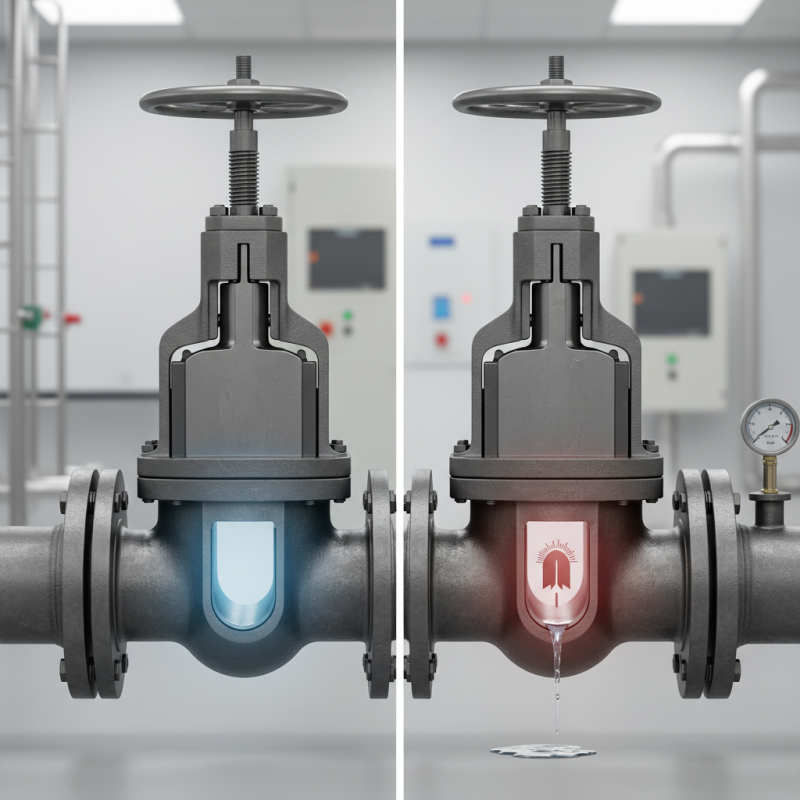
A gate valve is an essential component in fluid systems. Its main function is to start or stop fluid flow. Unlike other valves, a gate valve is not used for regulating flow. Instead, it is designed to either be fully open or fully closed. This provides minimal flow resistance when the valve is open.
In many industrial applications, gate valves are favored for their straightforward design. Reports indicate that about 70% of piping systems utilize gate valves for their reliability. They often feature a wedge-shaped gate that can be lifted to allow fluid to pass. When closed, the gate seals tightly against the valve seat, preventing leaks.
However, there are challenges with gate valves. Over time, wear and tear can affect their sealing ability. If not maintained properly, they may not close fully. This can lead to leaks and reduced efficiency in fluid transport systems. Data suggests that regular maintenance checks are crucial. It ensures gate valves function efficiently and can extend their lifespan significantly. Addressing these issues proactively can prevent costly repairs down the road.
Components of a Gate Valve: Structure and Materials
Gate valves are essential in controlling fluid flow in various systems. Their structure consists of several key components, each made from specific materials to ensure durability and functionality. The body of the gate valve is typically forged from either cast iron or stainless steel. These materials help withstand high pressures and harsh environments.
Another critical component is the gate itself. It usually features a wedge design that moves vertically. This design allows for optimal sealing when the valve is closed. The sealing surfaces are often coated or made from rubber to reduce wear. Unfortunately, this can lead to degradation over time, which is something that requires regular inspection.
The actuator is also a vital part of the gate valve. It can be manual or automatic, influencing the ease of operation. Manual actuators may suffer from user error or fatigue, impacting performance. In contrast, automatic systems need reliable power sources, which can fail unexpectedly. Regular maintenance is necessary to address these downsides and ensure the gate valve functions properly in various applications.
What is a Gate Valve and How Does it Work? - Components of a Gate Valve: Structure and Materials
| Component | Function | Materials Used | Common Sizes |
| Body | Houses all the internal components | Carbon Steel, Stainless Steel, Bronze | 2” to 36” |
| Gate | Controls the flow of fluid | Cast Iron, Stainless Steel | 2” to 36” |
| Stem | Connects the actuator to the gate | Brass, Stainless Steel | Varies with size |
| Bonnet | Provides a cover for the internal parts | Carbon Steel, Stainless Steel | 2” to 36” |
| Seal | Prevents leakage when the valve is closed | Rubber, PTFE | Varies with size |
Operation Mechanism: How Gate Valves Control Fluid Flow
Gate valves are crucial components in fluid control systems. They provide a simple method for regulating flow. The basic operation mechanism involves raising or lowering a gate within the valve body. When the gate is fully lowered, it blocks the fluid. This prevents any flow, allowing for complete isolation of the pipeline.
When the gate is lifted, fluid can flow freely. The operation relies on the movement of a stem, which connects to the gate. This movement is typically linear and straightforward. However, gate valves can have some complexities. For example, maintaining a perfect seal requires precise alignment. If the gate is not seated correctly, leaks can occur.
Furthermore, gate valves are not ideal for regulating flow rate. They excel at on-off control but are less effective for throttling. This limitation can lead to unintended consequences in some systems. Operators must be aware of these factors. Regular maintenance is essential to ensure reliable operation and prevent failures. Even small issues can escalate quickly in a fluid system. Understanding these details can help improve the longevity and efficiency of gate valves in various applications.
Applications of Gate Valves in Various Industries
Gate valves are widely used in various industries due to their efficiency in regulating flow. In the water supply sector, these valves offer reliable service. They allow for isolation of sections for maintenance without disrupting the entire system. Their simple design makes them easy to operate, yet sometimes they can become stuck if not used regularly. This can pose challenges for maintenance crews.
In the oil and gas industry, gate valves play a crucial role. They help control the flow of oil and natural gas through pipelines. Their ability to provide a tight seal is essential, especially in high-pressure environments. However, improper handling can lead to leaks, which is a serious issue. This emphasizes the need for regular inspections and proper training for personnel.
In manufacturing, gate valves find applications in steam systems and cooling water lines. They effectively manage the flow of steam and prevent backflow. This contributes to operational efficiency. Yet, the materials of gate valves must be carefully chosen to withstand the environment. Otherwise, corrosion could lead to failures. Continued education and awareness in selecting these components are vital for optimizing their use across industries.
Applications of Gate Valves in Various Industries
Maintenance and Troubleshooting Tips for Gate Valves
Gate valves are vital components in many piping systems. They control fluid flow and are durable. However, they require maintenance to function effectively. Regular checks can prevent leaks and ensure smooth operation. Rust and debris can hinder their performance. A clean surface around the valve is essential.
When troubleshooting, look for signs of leakage. Droplets around the valve indicate potential issues. In some cases, the valve may not fully open or close. This can cause pressure build-up, leading to further complications. Inspecting the packing nut for tightness is crucial. If it is loose, tightening it may resolve the problem.
Occasionally, even a well-maintained gate valve can fail. Disassembling it for a thorough inspection might be necessary. Replace worn components. A careful reassembly is critical. Mistakes in this process can lead to bigger issues later. Documenting maintenance routines can help identify patterns in valve performance.