Why Do We Need Different Types of Battery and Batteries?
The demand for battery and batteries continues to rise across various sectors. According to a report by the International Energy Agency, global battery storage capacity is expected to reach 300 GWh by 2030. Electric vehicles are the primary driving force behind this growth. As automakers transition to electric models, the need for diverse battery technologies becomes crucial.
Different applications require tailored solutions. For instance, lithium-ion batteries power electric cars, while lead-acid batteries serve in backup power for homes. Each type of battery and batteries has its strengths and weaknesses, often dictated by specific use cases. The rise of renewable energy sources also pushes the need for efficient energy storage solutions.
However, challenges persist. Recycling processes for many batteries are not yet efficient. There is still a long way to go in developing sustainable practices. Awareness of these issues is essential for industry stakeholders. Understanding the multifaceted world of battery and batteries will shape our future.

The Evolution of Battery Technologies: From Lead-Acid to Lithium-Ion
Battery technology has come a long way since the days of lead-acid batteries. These early batteries were heavy and inefficient. They required regular maintenance and had a limited lifespan. Their bulky nature made them impractical for many modern applications. As technology progressed, the need for lighter and more efficient batteries became apparent.
Lithium-ion batteries emerged as a revolutionary alternative. They are smaller and can hold more energy. This capacity change allowed for innovative devices. Portable electronics, electric vehicles, and renewable energy systems started to thrive. However, lithium-ion technology is not without its challenges. Concerns about resource sustainability and recycling remain relevant. As we push for greener solutions, the debate over battery types continues.
Different applications need different battery types. An electric vehicle demands power and range, while a smartphone needs compactness and quick charging. Some specialized devices may still benefit from older technologies. Balance in battery technology is key. While progress is crucial, reflecting on the limitations of each type is equally necessary.
Battery Types and Their Applications in Various Industries
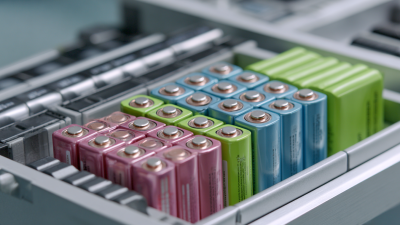
Batteries come in various types, each serving a unique purpose across different industries. For instance, lithium-ion batteries dominate in consumer electronics. They power smartphones and laptops efficiently. However, their performance can degrade over time, especially in extreme temperatures.
Lead-acid batteries are prevalent in automotive applications. They are reliable for starting engines but heavy and less efficient than newer technologies. In renewable energy, nickel-metal hydride batteries are often used. They offer a good balance of capacity and safety, yet they can be more expensive to produce.
In the medical field, specialized batteries are used in devices like pacemakers. These batteries must last long and function reliably under strict conditions. Still, their limited lifespan presents a challenge for manufacturers and patients alike. Hence, understanding battery types helps industries optimize their applications and improve overall performance. Each type has its strengths and weaknesses. Exploration into newer technologies may lead to better solutions in the future.
The Role of Energy Density and Charging Times in Battery Selection
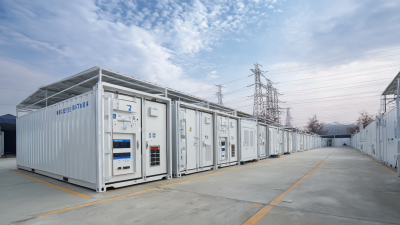
Energy density and charging times are crucial factors in battery selection. Energy density determines how much energy a battery can hold relative to its weight. For example, lithium-ion batteries typically have an energy density of around 150-250 Wh/kg. This high energy density makes them ideal for portable devices and electric vehicles. On the other hand, lead-acid batteries, which have a much lower energy density of about 30-50 Wh/kg, are often used in stationary applications where weight is less critical.
Charging times also play a significant role in the selection process. Fast-charging options are increasingly in demand, especially in electric vehicles. Reports indicate that the average charging time for a fast charger can be under an hour for many lithium-ion batteries. These advancements have enhanced user convenience but also raise concerns about battery longevity. While quick charging is appealing, it can impact battery life over time. Thus, users must weigh the benefits of rapid charging against potential degradation.
Different applications require tailored battery solutions. For smartphones, a balance between energy density and fast charging is essential. For larger systems, such as grid storage, safety and lifecycle become dominant factors. This nuanced landscape necessitates ongoing research and development to address the inconsistencies and demands across various sectors.
Battery Types Comparison: Energy Density and Charging Times
Environmental Impact and Recycling of Different Battery Types
Different types of batteries have varying environmental impacts. For instance, lithium-ion batteries are widely used but pose recycling challenges. According to a report from the International Energy Agency, only 5% of lithium-ion batteries are recycled effectively. This results in significant environmental risks.
Lead-acid batteries are commonly recycled, with a recovery rate of over 95%. However, their heavy metal content can contaminate soil and water if not handled correctly. In contrast, nickel-metal hydride batteries have a moderate recycling rate, but the process is not yet efficient. The extraction of raw materials often leads to habitat destruction.
Recycling should become a priority in battery production. Increasing public awareness can drive demand for sustainable practices. Yet, many consumers are still unaware of proper disposal methods. Innovative recycling technologies need more investment. There is a critical need to address these gaps in awareness and infrastructure.
Why Do We Need Different Types of Battery and Batteries? - Environmental Impact and Recycling of Different Battery Types
| Battery Type |
Environmental Impact |
Recycling Process |
Common Uses |
| Lead-Acid |
High toxicity; risk of soil and water contamination |
Sulfate extraction and lead recovery |
Automotive, UPS systems |
| NiMH (Nickel Metal Hydride) |
Lower toxicity; recyclable materials |
Nickel and cobalt recovery |
Hybrid vehicles, electronics |
| Li-ion (Lithium-ion) |
Non-toxic; potential fire hazards |
Lithium and cobalt extraction |
Smartphones, laptops, electric vehicles |
| Alkaline |
Low environmental impact; disposable |
Limited recycling options, often incinerated |
Household items, remote controls |
| Zinc-Carbon |
Low toxicity; low environmental burden |
Limited recycling; often landfilled |
Low-drain devices, flashlights |
Future Trends in Battery Innovation and Their Societal Implications
The future of battery technology holds immense potential for society. Research by the International Energy Agency predicts that the global battery market could grow to over $100 billion by 2030. This surge is driven by demand for electric vehicles and renewable energy storage. As we transition to a low-carbon economy, batteries will play a vital role in meeting energy needs.
Despite this promising trend, challenges persist. Current lithium-ion batteries face issues such as limited resource availability and environmental concerns. Recycling efforts remain inadequate, with only about 5% of lithium-ion batteries being recycled properly. The industry must innovate in materials and processes to improve sustainability. Alternative solutions, like solid-state batteries, show promise but are still in developmental stages.
Furthermore, societal implications are significant. Access to advanced battery technology can bridge energy gaps in underserved regions. However, disparities in technology access could widen the digital divide. Policymakers must address these issues to ensure equitable growth in battery innovation. The path forward requires collaboration across industries to foster a sustainable and inclusive energy future.