How to Choose the Best Lawn Battery for Your Needs?
Choosing the right lawn battery can be overwhelming. With many options available, it’s crucial to understand your needs. A lawn battery powers essential tools, making yard work efficient. A quality battery ensures your devices run smoothly, allowing you to maintain your landscape effectively.
Consider the type of lawn tools you use. Different batteries support various devices and power levels. A small battery may not suffice for heavy-duty equipment. Additionally, take note of battery life and charging time. These factors play a vital role in your workflow.
Sometimes, users overlook compatibility with existing tools. It’s tempting to choose based solely on price. However, investing in a reliable lawn battery can save you money and headaches in the long run. Make informed decisions, and your garden will flourish.
Understanding Different Types of Lawn Batteries Available in the Market
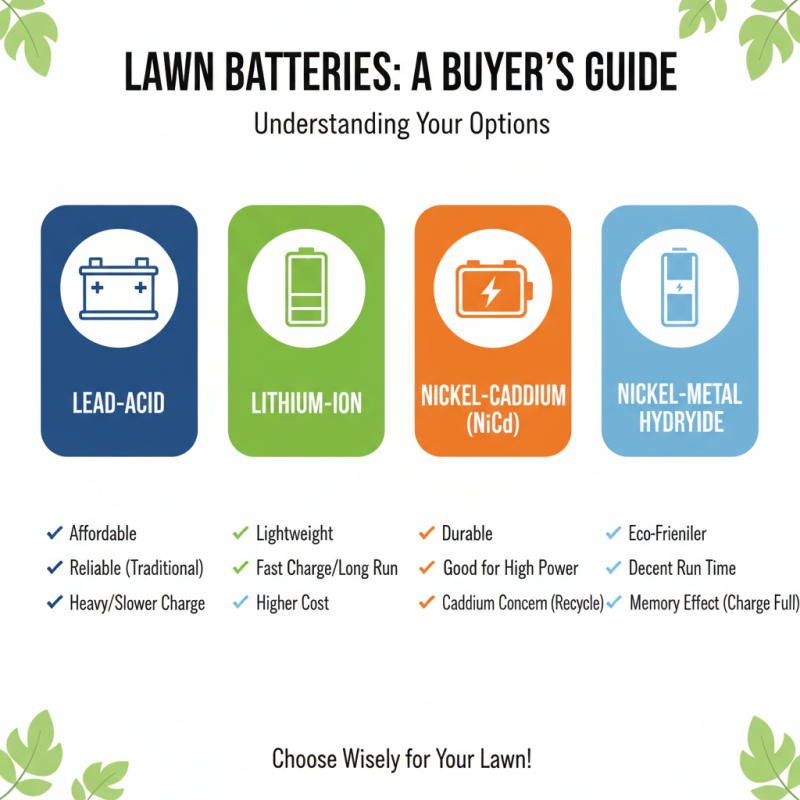
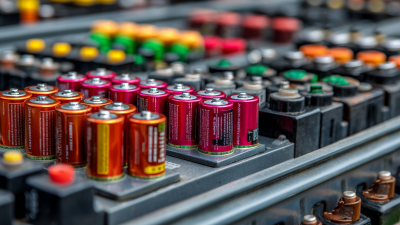
When selecting a lawn battery, understanding the different types available in the market is crucial. There are four primary categories: lead-acid, lithium-ion, nickel-cadmium, and nickel-metal hydride. Each type has unique features and different performance metrics, influencing their suitability for various lawn care tasks.
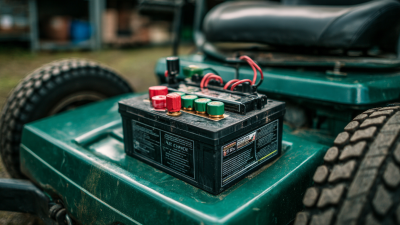
Lead-acid batteries are the most common. They are affordable and reliable, but they are heavier and have a shorter lifespan. Data suggests that they typically last around three to five years. Lithium-ion batteries, on the other hand, are lightweight and efficient. They can last up to ten years with proper care. Studies indicate that their energy density is about 2-3 times higher than lead-acid batteries. This means less frequent charging and longer operational times.
Nickel-cadmium batteries offer durability and can handle extreme temperatures. However, they require more maintenance. Reports highlight that these batteries can suffer from memory effect, reducing their overall efficiency. Nickel-metal hydride batteries are an alternative, balancing cost and performance. While still not as efficient as lithium-ion, they provide a suitable middle ground. This understanding of battery types can significantly impact the user experience and choice.
Evaluating Your Lawn Equipment's Power Requirements
When evaluating your lawn equipment's power requirements, start by understanding the voltage needs of your tools. Most battery-operated devices operate at specific voltages, influencing their compatibility. Check the manufacturer's specifications for voltage ratings. A mismatch can lead to underperformance.
Consider the average duration of use. If your lawn projects often exceed a couple of hours, a higher capacity battery may be necessary. Think about battery chemistry. Some types provide longer run times, while others charge faster. However, they might come with trade-offs.
Think about the size and weight as well. A heavier battery may last longer, but it could also make the equipment cumbersome. After evaluating your requirements, reflect on how often you use each tool. This could help inform your decision on whether to invest in a larger or additional battery. Be honest about the tools you frequently use. This will guide you in making the right selection without overspending.
How to Choose the Best Lawn Battery for Your Needs? - Evaluating Your Lawn Equipment's Power Requirements
| Lawn Equipment |
Power Requirement (Voltage) |
Battery Capacity (Ah) |
Estimated Runtime (Hours) |
Recharge Time (Hours) |
| Cordless Lawn Mower |
36V |
5.0 Ah |
1.5 |
2.0 |
| String Trimmer |
20V |
2.0 Ah |
0.5 |
1.0 |
| Leaf Blower |
40V |
4.0 Ah |
1.0 |
1.5 |
| Garden Tiller |
48V |
6.0 Ah |
2.0 |
2.5 |
| Hedge Trimmer |
24V |
3.0 Ah |
1.0 |
1.5 |
Factors to Consider When Selecting a Lawn Battery
When selecting a lawn battery, several key factors play a crucial role. Understanding battery capacity is essential, as it determines how long your tools will run. Most lawn batteries range from 2Ah to 10Ah, with a higher capacity providing longer usage times. According to industry reports, a battery with at least 4Ah is ideal for regular maintenance tasks.
Voltage is another vital aspect. Lawn batteries typically come in 36V or 48V options, which affect power output. A higher voltage usually means increased efficiency and better performance in demanding situations. Recent studies show that 48V systems can deliver up to 30% more power than their 36V counterparts, making them suitable for larger lawns.
Tip: Assess your lawn size and the tools you use. If you have a small yard, a lower capacity may suffice.
Additionally, consider charging time. Many modern batteries charge in 1-2 hours, while others take longer. Users report frustration with longer charging cycles that can delay lawn tasks. Finally, ensure compatibility with your existing tools. Improper connections can lead to inefficiencies or damage.
Tip: Evaluate the brands of tools you own. Ensure your new battery can work seamlessly with them to avoid wasted investment.
Comparing Battery Brands and Their Performance Reviews
When choosing a lawn battery, it's essential to consider performance reviews from various brands. Research shows that battery longevity significantly impacts user satisfaction. A 2021 study indicated that batteries with a cycle life of over 500 charges tend to perform better over time. This is crucial for homeowners seeking longevity in their equipment.
Battery capacity, measured in amp-hours (Ah), is another vital factor. Batteries with higher Ah ratings can power equipment longer. However, it's important to note that higher capacity does not always equate to better performance. Some users report diminishing returns as batteries age, highlighting the need for regular maintenance and, at times, replacement.
While performance ratings show clear trends, anecdotal evidence reveals inconsistency among brands. Users often find that even high-rated batteries can fail unexpectedly. Seeking reviews from multiple sources is prudent. This way, you can avoid surprises and make informed decisions based on community feedback and expert assessments. Always remember that individual experiences may differ, reflecting the complex nature of battery performance.