Choosing the right Coiling and Packing Machine is crucial for any business involved in packaging. The efficiency of your production line depends heavily on this choice. Consider the type of products being packed. Some machines work better with specific materials or dimensions. For instance, fragile items may require gentler handling.
Evaluate the features of different machines. Are they user-friendly? Do they offer flexible settings for various product sizes? A machine that can adapt to changes is often a better investment. Also, think about the cost. You don't want to overspend, but saving too much might lead to lower quality.
Reflect on your production needs. What is your typical output? The right Coiling and Packing Machine should match your pace. Analyze past experiences too. Have you faced issues with your current setup? Understanding these factors can lead to better decisions. In the end, it's about finding a balance between efficiency and cost-effectiveness.
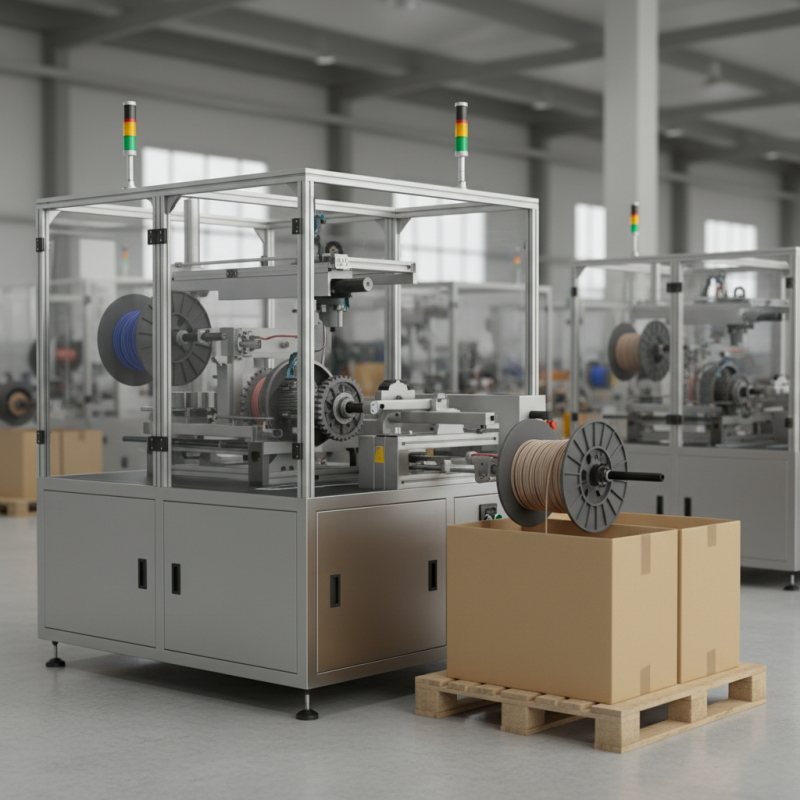
Choosing the right coiling and packing machine requires careful consideration of several factors. First, assess the production volume and speed needed for your manufacturing process. A machine that cannot keep up may lead to bottlenecks. According to industry reports, having the correct machine can increase efficiency by 20%.
It's essential to evaluate the types of materials you will use. Different materials may require specific machine configurations. For instance, delicate materials may need special handling to avoid damage. Also, consider the flexibility of the machine. Can it adapt to future changes in production needs? Machines that offer versatile settings often have a longer lifespan.
**Tips:** When selecting a machine, prioritize energy efficiency. According to recent studies, energy-efficient machines can save manufacturers up to 30% in operating costs. Regular maintenance and support are crucial. A lack of proper servicing can lead to unexpected downtimes. Make sure to factor in training for your operators. Inadequate training can result in mismanagement of the machine and suboptimal output.
When selecting a coiling and packing machine, understanding the various types available is crucial. These machines vary widely in function and design. For example, automatic coiling machines can greatly enhance productivity. They handle wire and cables with precision. Manual versions, on the other hand, offer flexibility but can slow down operations.
Another option is vertical versus horizontal packing machines. Vertical machines often occupy less space, making them ideal for smaller facilities. They excel in packing lightweight products. Horizontal machines can handle larger items but may require more floor space. Each design has its strengths and weaknesses. It's essential to assess your specific needs thoroughly.
Consider how you will use the machine. Will it be for bulk items or individual packages? Reflect on your production speed requirements. A high-speed machine may seem appealing, but if it can't be operated efficiently, it will lead to frustrations. Maintenance should also factor into your decision. Some machines require more upkeep than others. There is no one-size-fits-all solution, so take your time to evaluate all options carefully.
Choosing the right coiling and packing machine involves careful consideration of production speed and efficiency. When evaluating machines, speed is often a key factor. A faster machine can lead to higher output but may compromise quality. It’s important to balance speed with the precision necessary for your products. Too much emphasis on speed can lead to errors or defects.
Efficiency also plays a critical role. A machine that runs smoothly with minimal downtime is essential. Look for features that enhance automation and reduce the need for manual intervention. Machines operating at high efficiency often save on energy costs. However, some machines might be efficient in one aspect but lack in others, such as ease of maintenance or adaptability to new products.
Assess the specifications carefully. Some machines may boast high speed yet require significant adjustments for different tasks. Others may seem slow but are incredibly efficient for specific operations. Finding a balance is crucial. It's essential to consider both immediate needs and long-term production goals. Experimentation and field testing can reveal insights that data alone may not provide.
When choosing a coiling and packing machine, focus on key features that ensure efficiency and reliability. A high-quality packing machine should have a robust construction. It needs to handle various materials without compromising quality. According to recent industry reports, a machine's reliability can significantly reduce downtime. Machines with a failure rate below 2% are often cited as standard in the industry.
Speed is another crucial feature. Machines that can operate at a speed of at least 30 packages per minute are more common. This rapid output meets the demands of high-volume production. However, it is vital to balance speed with precision. Poorly packed products can cause returns and losses. A 2023 survey highlighted that over 15% of manufacturers reported issues due to packing errors.
Additionally, look for machines with user-friendly interfaces. This feature minimizes training time and maximizes productivity. Although some systems are advanced, many users struggle with complex controls. Equipment that offers easy maintenance is also essential. Frequent servicing can be disruptive, leading to higher costs. In a competitive market, understanding these aspects can be challenging yet necessary.
| Feature | Description | Importance |
|---|---|---|
| Speed | Measure of how fast the machine can package products. | High speed increases productivity and efficiency. |
| Versatility | Ability to handle different types of products and packaging materials. | Flexible machines can adapt to market changes. |
| Ease of Use | User-friendly controls and setup processes. | Reduces training time and error rates. |
| Durability | Construction quality and longevity of machine components. | Long-lasting machines minimize downtime and maintenance costs. |
| Automation | Level of automation, including features like sensors and programmable settings. | Automation can enhance efficiency and reduce manual labor. |
| Maintenance | Ease of servicing and availability of replacement parts. | Simple maintenance reduces operational disruptions. |
| Cost | Initial purchase price compared to long-term operational costs. | Understanding total cost of ownership aids in budgeting. |
When analyzing the cost-effectiveness and ROI of coiling and packing solutions, several factors should be considered. Industry reports indicate that effective packing can reduce overall costs by up to 30%. However, not all machines offer equal performance. Evaluate the throughput, labor requirements, and maintenance costs involved.
One critical aspect is the upfront investment versus long-term savings. A more affordable machine may seem appealing but might lead to higher operational costs. Analyze the energy efficiency of the machine. Machines with lower energy consumption can decrease monthly expenses significantly. According to the International Energy Agency, energy-efficient packing solutions can lower costs by 20%.
Tip: Before purchase, simulate various production scenarios. Compare the outputs of different machines in real-world situations.
Also, consider the potential downtime and repair costs. Frequent breakdowns can negate initial savings. An unplanned halt can slow production. Perform research on customer experiences with these machines. Gather insights into their reliability and cost management over time.
Tip: Keep an eye on industry trends. Technological advancements can shift the cost dynamics rapidly.