Top 10 Tips to Choose the Best Alarm Battery for Your Safety Needs
When it comes to ensuring your safety at home or in the workplace, a reliable alarm system is crucial. One often overlooked but essential component of these systems is the alarm battery. The type of alarm battery you choose can significantly impact the effectiveness and reliability of your alarm system. With countless options available on the market, the task of selecting the right battery can feel daunting. Understanding the specific needs of your alarm system and the qualities of different batteries is key to making an informed decision.
In this guide, we will explore the top ten tips for choosing the best alarm battery tailored to your safety needs. From understanding battery types to considering longevity and maintenance, each tip will help you navigate the critical factors that determine battery performance. By equipping yourself with the right knowledge, you can enhance the reliability of your alarm system, ensuring that you remain protected against potential threats. Whether you are replacing an old battery or installing a new alarm system, the right alarm battery is an investment in your security.

Understanding Different Types of Alarm Batteries Available in the Market
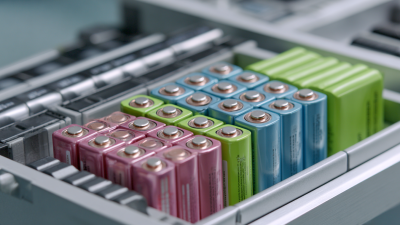
When selecting the right alarm battery for your safety needs, it’s crucial to understand the different types available on the market. Alarm systems typically rely on either alkaline, lithium, or rechargeable batteries, each offering distinct advantages suited for various applications. For instance, alkaline batteries are widely used due to their affordability and availability; however, they tend to have a shorter lifespan, usually providing reliable power for only about 3-5 years in alarm applications, according to industry reports.
On the other hand, lithium batteries have gained popularity for their longevity and performance in extreme temperatures. These batteries can last up to 10 years, making them an excellent choice for smoke alarms and security systems that require uninterrupted power. Recent studies have indicated that devices utilizing lithium batteries exhibit a 50% increase in reliability compared to those powered by alkaline alternatives. Furthermore, rechargeable batteries offer a sustainable option, although they may require more frequent charging cycles, providing a balance between performance and eco-friendliness. Understanding these differences will empower consumers to make informed decisions and ultimately enhance their home safety systems.
Top 10 Tips to Choose the Best Alarm Battery for Your Safety Needs
| Battery Type |
Typical Lifespan |
Voltage |
Advantages |
Disadvantages |
| Alkaline |
1-5 years |
1.5V |
Widely available, inexpensive |
Limited lifespan, not rechargeable |
| Lithium |
5-10 years |
3V |
Long lifespan, stable performance |
More expensive, temperature sensitive |
| Nickel Cadmium (NiCd) |
2-5 years |
1.2V |
Rechargeable, robust |
Memory effect, toxic materials |
| Nickel Metal Hydride (NiMH) |
3-7 years |
1.2V |
Higher capacity, less toxic |
Self-discharge rate, cost |
| Sealed Lead Acid |
3-5 years |
6V / 12V |
Reliable, inexpensive |
Heavy, needs regular maintenance |
| Rechargeable Lithium-Ion |
5-15 years |
3.7V |
Lightweight, long lifespan |
Costly, sensitive to overcharging |
| Zinc Carbon |
6 months - 1 year |
1.5V |
Low cost, easy to find |
Short lifespan, not for high drain devices |
| Alkaline Rechargeable |
1-2 years |
1.2V |
Rechargeable, good for standard devices |
Lower capacity than NiMH |
| Flow Battery |
Up to 20 years |
Varies |
Long-lasting, scalable |
Complex system, large size |
| Prismatic Battery |
3-10 years |
Varies |
Compact, high energy density |
Costly, manufacturing complexity |
Assessing Battery Lifespan and Replacement Frequency for Safety Devices
When selecting an alarm battery that meets your safety needs, understanding battery lifespan and replacement frequency is crucial. Industry reports indicate that most smoke detector batteries should be replaced at least once a year, while carbon monoxide detectors often require more frequent replacements every six months to ensure optimal functionality.
A study by the National Fire Protection Association emphasizes that nearly 60% of home fire deaths occur in residences without working smoke alarms, spotlighting the importance of timely battery changes.
Additionally, various types of batteries vary in longevity and performance. Lithium batteries, for example, can last up to 10 years in smoke alarms, providing a longer lifespan compared to alkaline batteries, which typically last around 6 months to a year. According to data from the Consumer Product Safety Commission, replacing batteries at these recommended intervals dramatically increases your safety, as the risk of malfunction significantly rises when batteries are exhausted. Therefore, when choosing alarm batteries, consider their expected lifespan and align it with a strict replacement schedule to maintain an effective safety environment in your home.
Evaluating Compatibility Between Alarms and Battery Types
When choosing an alarm battery, understanding the compatibility between the alarm system and battery types is crucial for ensuring optimal performance and safety. Different alarm systems require specific battery types, and using the wrong battery can lead to malfunctions or failures. For instance, some alarms may operate effectively with lithium batteries while others may be designed for rechargeable models. Before making a purchase, reviewing the alarm system's user manual can provide clarity on the recommended battery types and specifications.
In addition to battery type, it is also important to consider the voltage and capacity requirements specified by the alarm manufacturer. Using a battery with an incorrect voltage can impede the alarm's functioning, potentially compromising your safety. Likewise, selecting a battery with inadequate capacity may result in frequent replacements, which could leave your alarm inactive during crucial times. Therefore, familiarity with the compatibility parameters not only aids in extending the lifespan of the alarm system but also enhances the overall safety measures in your environment.
Analyzing Environmental Conditions Impacting Battery Performance
When selecting an alarm battery, understanding the environmental conditions that affect battery performance is crucial. Temperature plays a significant role in battery efficiency; extremes of heat or cold can lead to reduced capacity and shorter lifespans. For instance, batteries stored or used in excessively high temperatures may experience chemical reactions that diminish their power, while very low temperatures can slow down the chemical processes needed for energy release. Thus, it's important to choose batteries that are rated for the climate in which they will be used, ensuring they maintain optimal performance.
Additionally, humidity and moisture levels in the environment can impact battery functionality. Elevated humidity can lead to corrosion, which may hinder the electrical connections, while overly dry conditions can cause dehydration of the battery components. In areas prone to significant temperature fluctuations or high moisture, selecting batteries designed to withstand these challenges will contribute to their reliability. Furthermore, considering the installation location—whether indoors or outdoors—can guide the choice of seals and protective features that enhance durability against the elements. By analyzing these environmental factors, one can make an informed decision on the best alarm battery to meet safety needs.
Considering Cost vs. Quality in Selecting Alarm Batteries for Safety
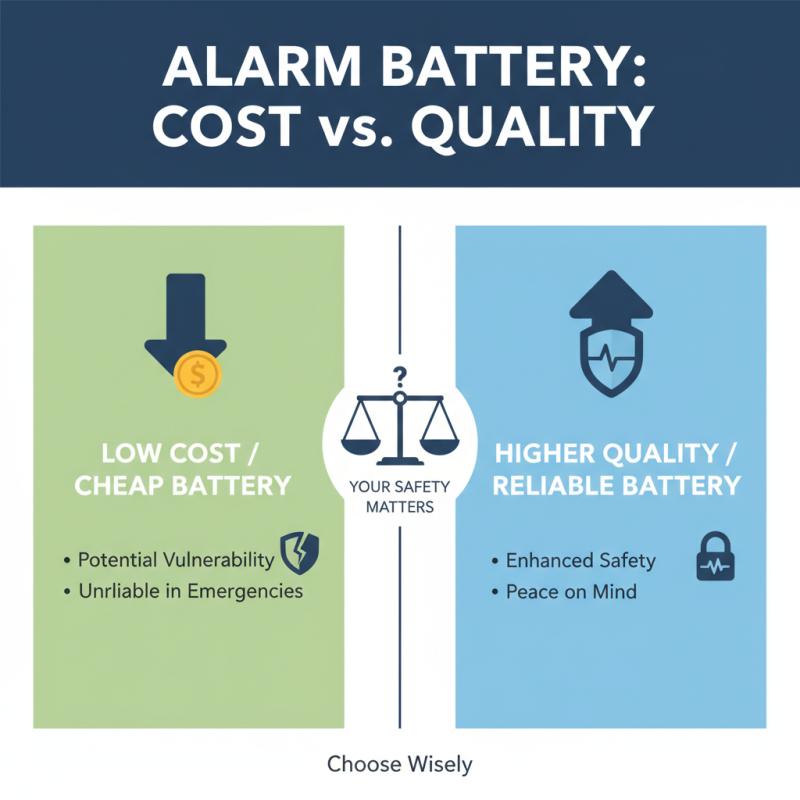
When choosing an alarm battery, it's crucial to weigh the cost against the quality to ensure your safety needs are met effectively. While budget constraints are a common consideration, opting for the cheapest battery may leave you vulnerable in critical situations. Investing in a higher-quality alarm battery can provide peace of mind, knowing that the device will operate reliably when it matters most.
One important tip is to consider battery lifespan. Cheaper options may require more frequent replacements, leading to higher cumulative costs over time. Additionally, look for batteries with a proven track record of performance. Reading reviews and seeking recommendations can help guide your choice, ensuring you select a product that offers both durability and reliability.
Another key factor is the battery's compatibility with your alarm system. It’s essential to choose a battery that meets the specific requirements of your device, as using an incompatible battery could compromise its effectiveness. Always check specifications and consult with professionals if you are uncertain, as this can save you from future inconveniences and enhance your overall safety.