How to Choose the Right Lead Battery for Your Needs: A Complete Guide
Choosing the right lead battery for your specific needs can significantly impact the performance and efficiency of your applications. With the growing demands for reliable energy storage solutions in various sectors, it becomes crucial to understand the diverse types of lead batteries available on the market today. This comprehensive guide aims to equip you with the essential knowledge needed to make an informed decision when selecting a lead battery that aligns with your requirements.
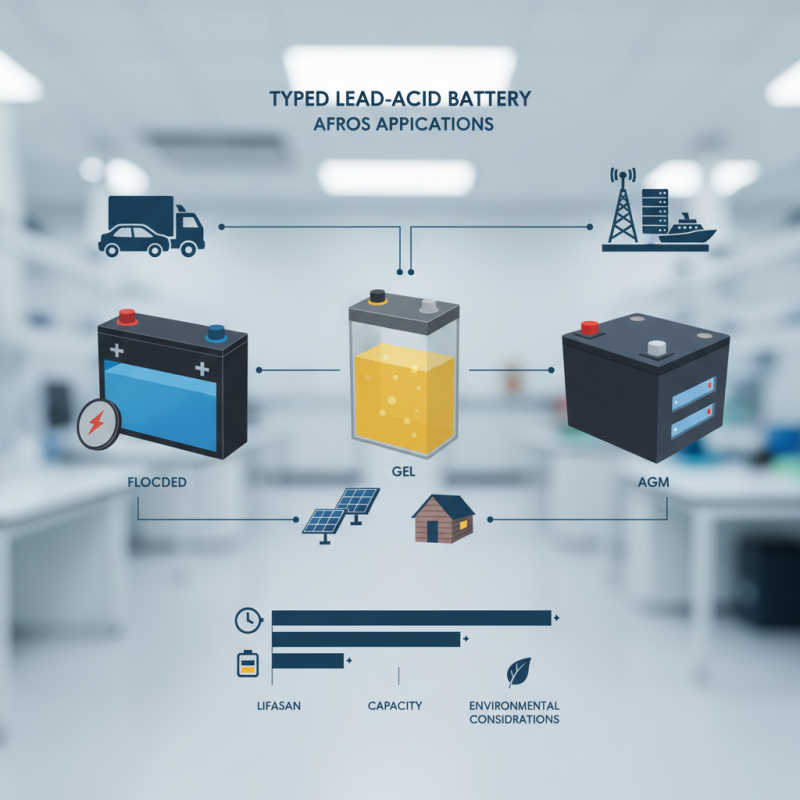
Lead batteries are renowned for their durability and cost-effectiveness, making them a popular choice in industries such as automotive, renewable energy, and telecommunications. However, not all lead batteries are created equal; they come in various forms, such as flooded, gel, and absorbed glass mat (AGM), each offering unique advantages and disadvantages. By learning about the fundamental characteristics, applications, and maintenance needs of different lead batteries, you can better assess which option is ideal for your specific circumstances.
In this guide, we will delve into the critical factors to consider when choosing a lead battery, including capacity, lifespan, and environmental considerations. Whether you are looking for a battery for a vehicle, an off-grid solar system, or backup power supply, understanding these elements will ensure that you select a lead battery that delivers optimal performance and longevity.
Understanding Lead Batteries: Types and Applications
Lead batteries, also known as lead-acid batteries, come in various types, each suited to different applications. The most common types are starting, lighting, and ignition (SLI) batteries, used primarily in automotive settings to provide the necessary power for starting engines and powering electrical systems. On the other hand, deep cycle batteries are designed for prolonged discharge and are typically used in renewable energy systems, electric vehicles, and marine applications. Their construction allows for repeated charging and discharging, making them ideal for scenarios that require sustained energy output.
Understanding the specific applications of lead batteries can greatly aid in selecting the right type for your needs. For instance, if you're looking to power a solar application, a deep cycle lead battery would be optimal due to its capacity to endure repetitive discharge cycles without significant damage. Conversely, if the application revolves around starting an engine, an SLI battery is essential for delivering a quick burst of energy. Furthermore, it's crucial to consider factors such as capacity, lifespan, and maintenance requirements to ensure that the chosen battery aligns with your energy demands and operational conditions.
How to Choose the Right Lead Battery for Your Needs: A Complete Guide
| Battery Type |
Capacity (Ah) |
Typical Applications |
Cycle Life (Cycles) |
Weight (kg) |
| Flooded Lead Acid |
100 |
Solar Systems, RVs |
200-300 |
30 |
| AGM (Absorbent Glass Mat) |
150 |
Start-Stop Vehicles, UPS |
500-800 |
40 |
| Gel Lead Acid |
120 |
Marine, Electric Vehicles |
300-500 |
35 |
| Lithium Iron Phosphate (LiFePO4) |
200 |
Electric Vehicles, Energy Storage |
2500-5000 |
30 |
Key Factors to Consider When Choosing a Lead Battery
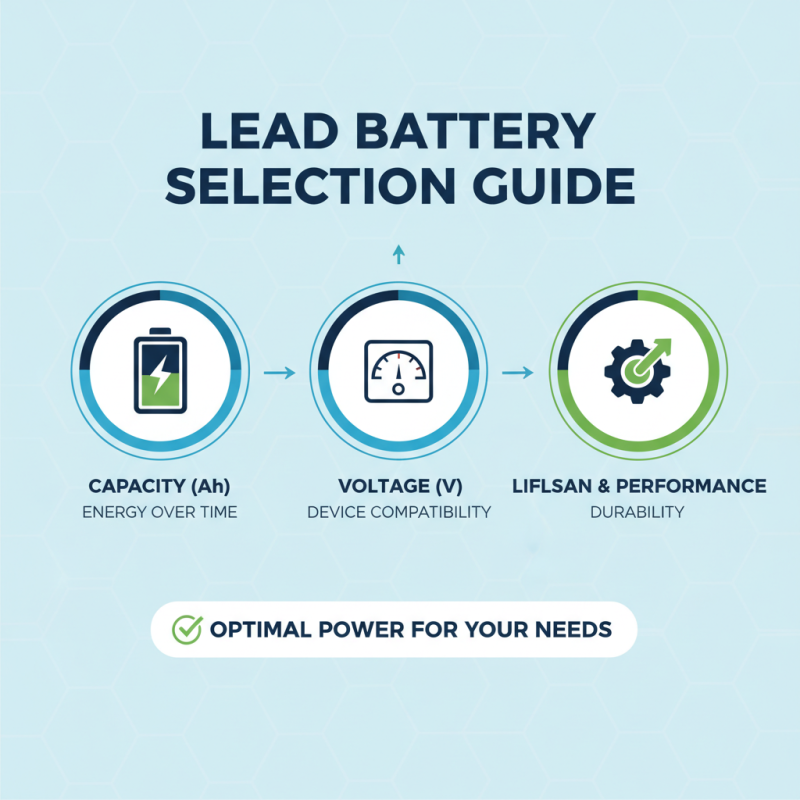
When it comes to choosing the right lead battery for your needs, several key factors must be taken into account to ensure optimal performance and longevity. First, consider the battery’s capacity, which is typically measured in amp-hours (Ah). This determines how much energy the battery can deliver over a specific time. For applications requiring consistent power, selecting a battery with a higher capacity may be necessary. Additionally, assess the voltage requirements of your devices or systems, as matching voltage is crucial for reliable operation.
Another essential factor is the battery's intended use. Are you looking for a battery for starting engines, deep cycling, or standby power? Each type of use demands different characteristics from a lead battery. For instance, deep-cycle batteries are designed to be discharged and recharged multiple times, while starting batteries provide a short burst of power. Understanding your specific application will help narrow down the options.
**Tips:** When selecting a lead battery, always check for warranties and lifespan ratings. A longer warranty period often indicates higher build quality. Additionally, consider the weight of the battery, as heavier batteries generally have a higher lead content, translating to better performance. Lastly, ensure proper ventilation during installation, as lead batteries can emit gases, especially during charging.
Evaluating Battery Capacity and Performance Ratings
When selecting the right lead battery for your needs, understanding battery capacity and performance ratings is crucial. Battery capacity, often measured in amp-hours (Ah), indicates how much energy a battery can deliver over a specific period. For instance, a 100Ah battery can theoretically supply 5 amps for 20 hours. According to the International Lead Association, the ideal capacity depends on your application; while smaller devices may require lower capacities, larger systems like solar power storage can necessitate batteries with capacities upwards of 200Ah or more.
Performance ratings, including discharge rates and cycle life, further define a battery's suitability. For example, the Society of Automotive Engineers emphasizes that batteries should maintain optimal performance across varying environmental conditions, particularly in temperature extremes. A high-quality lead battery may offer a cycle life of 500 to 1000 cycles at 50% depth of discharge, providing a solid balance between longevity and usability. Evaluating these specifications against your operational requirements will ensure you choose a lead battery that not only meets your energy demands but also offers reliable performance over time.
Lead Battery Capacity and Performance Comparison
The Importance of Battery Maintenance and Lifespan
Proper battery maintenance is essential for ensuring the longevity and performance of lead batteries. Regular inspections and cleaning can significantly reduce the risk of corrosion and improve connectivity, which in turn enhances the battery’s efficiency. It's crucial to check the electrolyte levels consistently, as deficiencies can lead to damage and reduced lifespan. Additionally, ensuring that the terminals are clean and tightly connected helps prevent electrical resistance that can impede performance.
Another significant aspect of battery maintenance is storage conditions. Lead batteries should be kept in a cool, dry place to mitigate the effects of extreme temperatures, which can cause premature aging and reduced capacity. Overcharging and undercharging are common issues that can shorten a battery's life. Utilizing appropriate charging equipment and using a charger with a built-in maintenance or float setting can help maintain the battery's health. Regular monitoring, alongside appropriate usage patterns, plays a vital role in maximizing the lifespan of lead batteries.
Cost vs. Quality: Making an Informed Lead Battery Purchase Decision
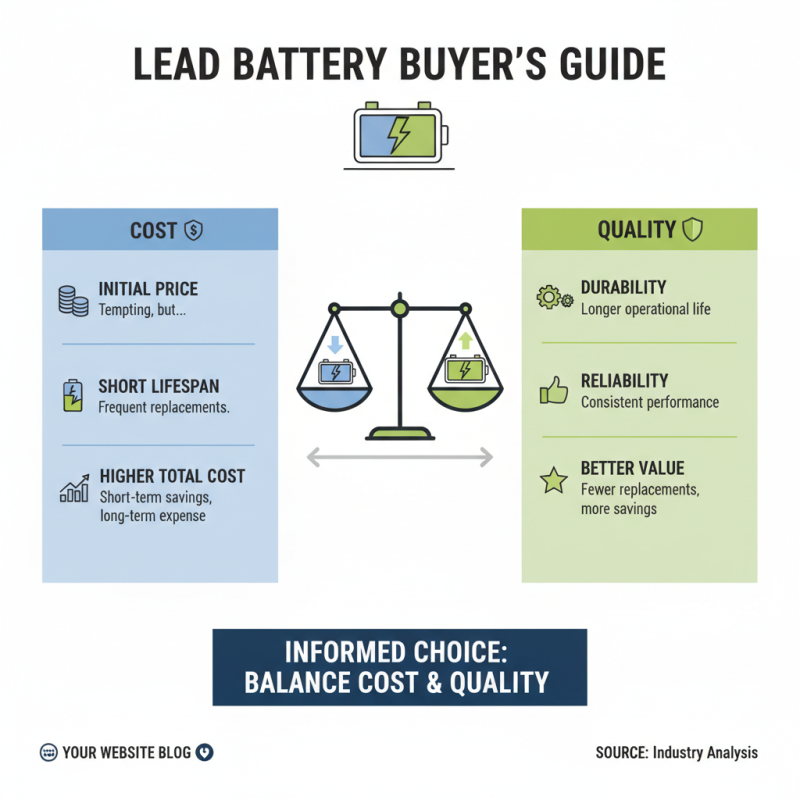
When considering the purchase of a lead battery, it's crucial to balance cost and quality to ensure that you make an informed decision. Lead batteries, widely used for various applications such as automotive, renewable energy storage, and backup power, come in a range of prices. While it might be tempting to choose the least expensive option, this could lead to a higher total cost over time if the battery fails prematurely or doesn’t perform as expected.
Quality plays a significant role in the longevity and efficiency of a lead battery. A higher-quality battery often features better materials and construction, which can enhance performance in extreme conditions and increase lifespan. When weighing the cost against quality, consider factors like the manufacturer's reputation, warranty options, and customer reviews. Investing in a reliable battery may seem more expensive upfront, but it can save you money and hassle in the long run by avoiding frequent replacements and ensuring optimal performance in critical situations.