How to Choose the Best Battery for Your Needs in 2025
As we move into 2025, the landscape of power solutions continues to evolve rapidly, influenced by advancements in technology, environmental concerns, and changing user demands. Choosing the best battery for your needs has never been more crucial, whether for personal electronics, electric vehicles, or renewable energy storage systems. With a plethora of options available, understanding the various types of batteries and their specific advantages can empower consumers to make informed decisions.
The right battery can significantly enhance performance, longevity, and efficiency in various applications. Factors such as capacity, discharge rates, and cycle life are essential in distinguishing one battery type from another. Furthermore, environmental impact and sustainability considerations are shaping the development and selection of batteries, urging individuals and businesses alike to consider the broader implications of their choices. In this guide, we will explore the critical elements to consider when selecting a battery, ensuring that you find the ideal power solution to meet your unique needs in 2025 and beyond.

Factors to Consider When Choosing a Battery in 2025
When choosing a battery in 2025, several critical factors should be considered to ensure it meets your specific requirements. First, the battery's capacity is essential, measured in watt-hours (Wh) or ampere-hours (Ah). This figure indicates how long the battery can power your devices before needing a recharge. Depending on whether you need it for portable gadgets, electric vehicles, or renewable energy storage, the capacity you require will vary significantly. For instance, smaller devices might only need a few thousand milliamp-hours, while larger applications could require much higher capacities.
Another important aspect is the battery's charging time and lifecycle. In a fast-paced world, how long it takes to recharge can be a deciding factor, especially for portable electronics. Additionally, understanding the battery's lifespan in terms of charge cycles is crucial. A battery that can endure multiple cycles will provide better long-term value. Furthermore, consider the battery’s weight and size, particularly for applications where portability is essential, as this will affect convenience and usability. Lastly, evaluate the environmental impact of the battery, including materials used and recycling options, as sustainability becomes increasingly important in consumer choices.
Battery Types and Their Capacity for Different Needs in 2025
Understanding Different Battery Types and Their Applications
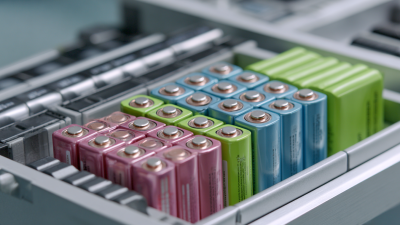
When selecting the best battery for your needs in 2025, it is essential to understand the different types of batteries available and their specific applications. Lithium-ion batteries are widely used in consumer electronics due to their high energy density and long lifespan. They power everything from smartphones to electric vehicles, making them versatile for a variety of uses. Additionally, solid-state batteries are emerging as a promising technology, offering improved safety and efficiency, particularly for electric vehicles and renewable energy storage.
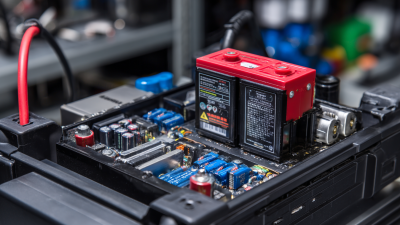
Another common type is the lead-acid battery, which remains popular for automotive and stationary power applications. While heavier and less efficient compared to lithium-ion, their low cost and reliability make them a go-to choice for backup power systems. Understanding the distinct features of each battery type can help you choose the right one for your specific needs.
Tips: When choosing a battery, consider factors such as energy capacity, size, weight, and cost. Assess the specific requirements of your application—whether you need a lightweight option for portability or a robust solution for stationary power. Also, think about the environmental impact and opt for batteries that are recyclable or made from sustainable materials when possible.
Evaluating Battery Performance Metrics: Capacity, Lifespan, and Cycle Life
When selecting the best battery for your needs in 2025, it's crucial to focus on key performance metrics such as capacity, lifespan, and cycle life.
Capacity, measured in amp-hours or watt-hours, indicates how much energy a battery can store and deliver. A higher capacity is ideal for devices that require extended usage without frequent recharging, making it a significant factor to consider for applications ranging from electric vehicles to portable electronics.
Lifespan refers to how long a battery can effectively function before its performance begins to degrade. This metric can be impacted by factors such as temperature, charging habits, and the specific chemistry of the battery. A longer lifespan is advantageous as it reduces the frequency of battery replacements and is often more cost-effective in the long run.
Additionally, cycle life, which measures the number of complete charge-discharge cycles a battery can undergo before its capacity drops significantly, plays a critical role in determining a battery's suitability for different applications.
Choosing a battery with a high cycle life ensures reliability and efficiency in energy usage, especially for systems that undergo regular charging and discharging.
By carefully evaluating these metrics, you can select a battery that meets your performance needs while aligning with sustainability and cost considerations.
Assessing Compatibility with Devices and Usage Requirements
When choosing a battery for your needs in 2025, the
compatibility with your devices is of paramount importance. Different devices require specific battery types
and sizes, which can vary significantly in terms of voltage, capacity, and physical dimensions. For
instance, a smartphone may demand a lithium-ion battery that fits tightly within its casing, while other
appliances such as cameras or laptops might utilize larger batteries that provide longer usage times.
Understanding the specifications of the devices you intend to power is crucial for ensuring optimal
performance and longevity.
In addition to device compatibility, your usage requirements should heavily influence your battery choice.
Consider the frequency and duration of use; for instance, if you rely on a device for extended periods,
opting for a battery with a higher capacity will be essential. Additionally, evaluate the environmental
conditions in which you plan to use the battery. Certain batteries perform better in extreme temperatures,
while others may have limitations. By assessing both device compatibility and your specific usage needs,
you can make an informed decision that will enhance your overall experience and ensure that your devices
operate efficiently over time.
Sustainability and Environmental Impact of Battery Options
As we move towards 2025, the selection of batteries must take into account not only performance and cost but also sustainability and environmental impact. Traditional battery options, such as lead-acid and disposable alkaline batteries, pose significant ecological challenges due to their toxic components and energy-intensive manufacturing processes. In contrast, newer technologies, including lithium-ion and solid-state batteries, offer a more sustainable future. These batteries can be sourced from more environmentally friendly materials and often have a longer lifespan, reducing the frequency of disposal and the associated environmental burden.
Moreover, advancements in battery recycling technologies are crucial in mitigating the environmental impacts of battery production and disposal. As more efficient recycling methods become available, the recovery of valuable materials like lithium, cobalt, and nickel will not only diminish the need for new resource extraction but also minimize the ecological footprint of battery usage. As consumers increasingly prioritize sustainability in their purchasing decisions, opting for batteries that are designed with end-of-life recyclability in mind can significantly contribute to a circular economy. In 2025, choosing a battery will mean considering its entire lifecycle, from raw material extraction to disposal, helping to ensure that our energy storage solutions align with global sustainability goals.