Top 10 Best Batteries: Ultimate Guide to Choosing the Right Battery for Your Needs
Choosing the right battery is crucial for ensuring optimal performance and longevity in various applications, from powering everyday gadgets to supporting essential home systems. In a market flooded with numerous battery options, understanding the differences among battery types can save you time, money, and frustration. Whether you need batteries for your smartphone, electric vehicle, or renewable energy system, knowing the characteristics and specifications of each type will help you make informed decisions tailored to your specific needs.
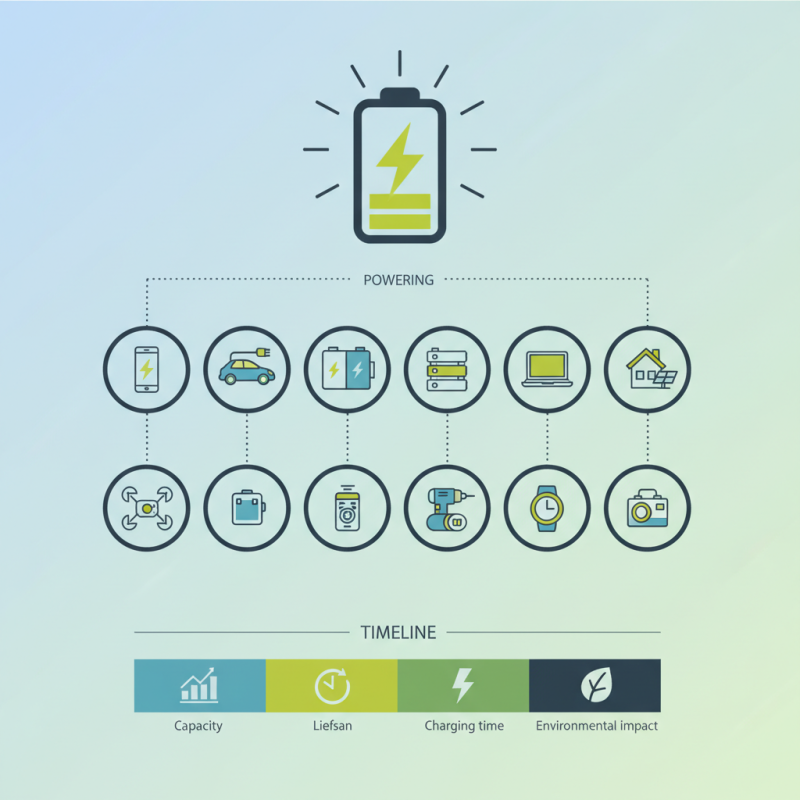
In our ultimate guide, "Top 10 Best Batteries," we will explore the most reliable and efficient batteries available today. This comprehensive overview will cover essential factors such as capacity, lifespan, charging time, and environmental impact. By breaking down the pros and cons of each option, we aim to simplify your search for the best batteries on the market, ensuring that you find the perfect solution for your power requirements. Join us as we take an in-depth look at the top choices and equip you with the knowledge to confidently select the best battery for any application.
Understanding Different Types of Batteries: An Overview
When choosing the right battery for your needs, understanding the different types of batteries is crucial.
Lithium-ion batteries, for example, have become predominant in energy storage due to their
efficiency, lightweight design, and rechargeable capabilities. Within the lithium-ion category, there are several
chemistries, each with unique characteristics that cater to varied applications—ranging from everyday consumer electronics to advanced
battery energy storage systems (BESS). The ongoing research into lithium-ion technology focuses on
optimizing these variations for enhanced performance and sustainability.
As China continues to lead the global BESS market, it is essential to recognize the importance of the manufacturing
supply chain in battery technology. The advancements made in lithium-ion batteries, alongside emerging alternatives like
magnesium-ion batteries, are creating a competitive landscape where efficiency and environmental impact are key considerations.
Keeping an eye on new battery technologies in development will also be vital for making informed decisions on
energy storage solutions, ensuring that consumers and industries alike benefit from the latest innovations while addressing
sustainability challenges.
Key Features to Consider When Choosing a Battery
When choosing a battery, several key features should be taken into consideration to ensure you select the right one for your needs. First and foremost is the battery type. Common options include alkaline, lithium-ion, and nickel-metal hydride, each with its specific applications and advantages. For example, lithium-ion batteries are often preferred for their higher energy density and rechargeability, making them ideal for devices like smartphones and laptops.
Another important factor is the capacity, which is usually measured in milliampere-hours (mAh). A higher capacity generally means longer usage between charges. Additionally, consider the voltage requirements of your device, as using a battery with an incorrect voltage can cause performance issues or even damage.
**Tips**: Always double-check your device's specifications to find the recommended battery type and capacity. Additionally, look for features such as charge cycles and shelf life, which can indicate how long the battery will last and how often it can be recharged without degrading. Finally, pay attention to warranty and brand reputation, as quality batteries often come from companies with a proven track record of reliability.
Top 10 Best Batteries: Capacity Comparison
Top 10 Batteries Reviewed: Performance and Reliability
When selecting the right battery, performance and reliability are paramount factors to consider. According to the 2022 Battery Performance Review by the Battery University, lithium-ion batteries continue to dominate the market due to their high energy density and long cycle life. In tests, high-quality lithium-ion batteries showcase energy densities of around 200 Wh/kg, outperforming traditional lead-acid batteries, which typically offer only 30-50 Wh/kg. This significant difference allows lithium-ion batteries to power devices for longer periods, making them an excellent choice for everything from smartphones to electric vehicles.
Moreover, the 2023 Reliability Standards published by the International Electrotechnical Commission (IEC) underline the importance of battery longevity and safety. Batteries such as the Energizer Ultimate Lithium are highlighted for their reliability, demonstrating a shelf life of up to 20 years and exceptional performance in extreme temperatures. With over 50% of consumers reporting performance issues due to battery failures, choosing a dependable battery like this one can prevent unexpected downtime and enhance the overall user experience. By understanding these performance metrics and reliability reports, consumers can make informed decisions to meet their specific energy needs.
Top 10 Best Batteries: Ultimate Guide to Choosing the Right Battery for Your Needs
| Battery Type |
Capacity (mAh) |
Voltage (V) |
Chemistry |
Estimated Lifespan (Years) |
Applications |
| Lithium-ion |
3000 |
3.7 |
Li-ion |
5 |
Smartphones, Laptops |
| Nickel-Metal Hydride |
2500 |
1.2 |
NiMH |
3 |
Cameras, Power Tools |
| Lead Acid |
5000 |
12 |
Lead Acid |
4 |
Cars, UPS |
| Lithium Polymer |
2000 |
3.7 |
LiPo |
3 |
Drones, RC Vehicles |
| Alkaline |
2500 |
1.5 |
Alkaline |
4-7 |
Remote Controls, Flashlights |
| Zinc-Carbon |
1500 |
1.5 |
Zinc-Carbon |
1-3 |
Toys, Low Drain Devices |
| Nickel-Cadmium |
1000 |
1.2 |
NiCd |
2-5 |
Power Tools, Cordless Phones |
| Silver-Oxide |
50 |
1.55 |
Silver-Oxide |
2-3 |
Watches, Calculators |
| Rechargeable Alkaline |
2000 |
1.5 |
Alkaline |
2-3 |
Household Devices |
| Coin Cell |
200 |
3 |
Lithium |
3-5 |
Medical Devices, Key Fobs |
Comparison of Battery Lifespan and Charging Time
When selecting the right battery for your needs, understanding battery lifespan and charging time is crucial.
Battery lifespan refers to the duration a battery can last before it needs to be replaced, while charging time indicates how quickly the battery can be fully charged.
High-quality batteries often boast greater longevity, allowing users more extended periods of use between replacements.
Factors influencing battery lifespan include the type of battery chemistry, usage patterns, and environmental conditions.
For instance, lithium-ion batteries, commonly found in portable electronics, tend to offer longer lifespans compared to lead-acid batteries.
Similarly, charging time can vary significantly among different battery types.
Fast-charging technologies have advanced, enabling some modern batteries to achieve a full charge in less than an hour.
Conversely, traditional batteries may take several hours to recharge completely.
When comparing options, it's essential to consider how these two factors align with your specific requirements.
If quick turnaround is crucial for your devices, prioritizing batteries with rapid charging capabilities could be beneficial.
Conversely, if prolonged usage is your focus, opting for a battery with a longer lifespan might be the more strategic choice.
Best Practices for Battery Maintenance and Safety Tips
Battery maintenance is crucial for ensuring longevity and optimal performance. One of the best practices is to regularly check the battery health and functionality. For rechargeable batteries, it is recommended to avoid letting them fully drain before recharging. Instead, charge when the battery level drops to around 20%. This habit not only helps in extending the overall lifespan of the battery but also ensures that it performs efficiently.
Safety tips are equally important when handling batteries. Always store batteries in a cool, dry place and avoid exposing them to extreme temperatures. When disposing of batteries, follow local regulations to prevent environmental harm. For rechargeable batteries, make sure to use the correct charger to avoid overheating or damaging the battery. Observing these practices can significantly reduce risks and enhance battery performance in various applications, from electric vehicles to portable devices.