Top 10 Benefits of Using a Laser Cutting Machine?
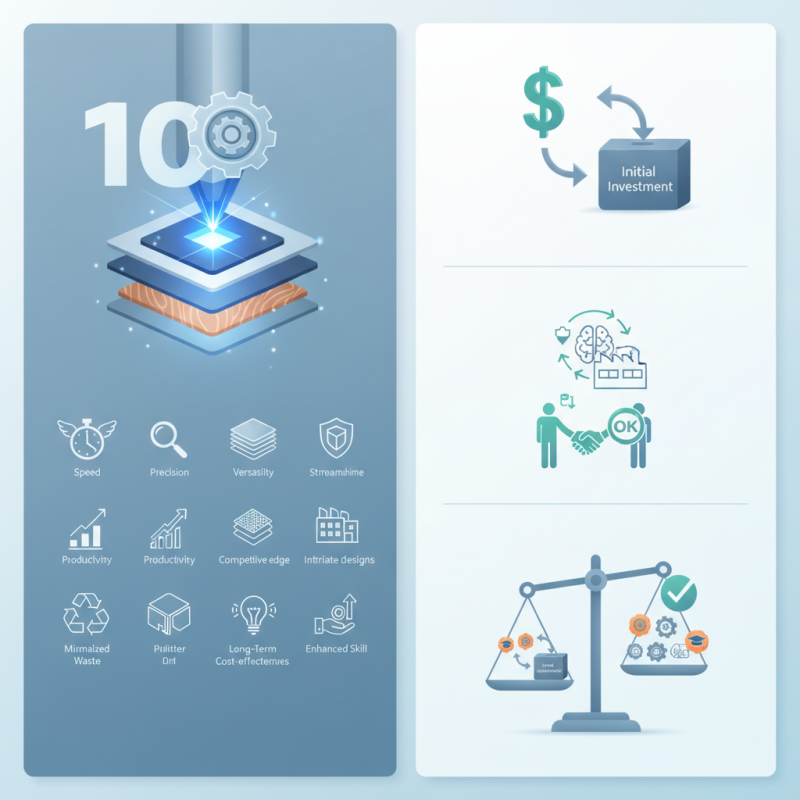
In the modern manufacturing landscape, the laser cutting machine has emerged as a pivotal tool. It combines precision and speed, transforming how industries approach cutting processes. Many businesses now rely on this technology for its versatility in various materials such as metal, wood, and plastics.
Utilizing a laser cutting machine can enhance productivity significantly. It streamlines workflows and minimizes waste, allowing for more efficient use of resources. However, it is essential to consider the initial investment cost. While the long-term benefits are substantial, the upfront expenses may deter some enterprises.
In addition, the learning curve associated with operating this equipment is noteworthy. Training staff properly is crucial to maximizing effectiveness. Even with these challenges, the advantages of a laser cutting machine often outweigh the difficulties. Its capability to produce intricate designs gives companies a competitive edge in today's market.
Advantages of Precision and Accuracy in Laser Cutting Machines
Laser cutting machines have transformed manufacturing, primarily due to their precision and accuracy. According to a report by Markets and Markets, the global laser cutting machine market is expected to grow to over $4.5 billion by 2026. This growth is largely driven by the demand for more precise cutting methods across various industries.
In laser cutting, a focused laser beam melts, burns, or vaporizes material. This process achieves tight tolerances. Typical cutting accuracy can reach ±0.1 mm. In contrast, traditional cutting methods may produce more significant variations. The superior precision reduces waste material and lowers overall production costs. This efficiency is essential for industries like aerospace and electronics, where quality standards are stringent.
However, achieving perfect accuracy is not always straightforward. Factors such as material type and thickness can affect the outcome. There may be instances of edge melting or deformation, which can lead to flaws. Fine-tuning the machine settings for each job is crucial. While automation helps, human oversight is still necessary to ensure optimal results, highlighting the need for skilled operators.
Enhanced Material Versatility for Various Industries with Laser Cutters
Laser cutting machines offer remarkable material versatility, which is crucial for various industries. From metal to wood, glass to fabrics, these machines can handle diverse materials with precision. This adaptability allows businesses to experiment with different designs without changing equipment. For instance, a single machine can switch from cutting acrylic to engraving wood, creating unique products efficiently.
However, the technology has some limitations worth considering. Certain materials have specific requirements when laser cut. For example, some plastics may emit harmful fumes. This aspect often necessitates additional safety measures. Moreover, the learning curve for operating a laser cutter can be steep for beginners. It requires practice to master the settings for different materials.
Despite these challenges, the ability to customize and innovate with laser cutting opens new doors for creativity. Businesses can offer tailored solutions easily. As industries continue to evolve, laser cutters remain essential tools for achieving high-quality outputs across various sectors. Balancing the benefits and limitations allows companies to thrive while ensuring safety and efficiency.
Cost Efficiency and Reduced Waste through Laser Cutting Technology
Laser cutting technology is revolutionizing the manufacturing landscape. The efficiency of laser cutting machines contributes significantly to cost savings and waste reduction. According to a recent industry report, businesses can save up to 30% in production costs through laser cutting. This advanced technique minimizes material waste by cutting with high precision. The cuts are clean and exact, leading to more usable material from each sheet.
Achieving cost efficiency requires strategic implementation of laser technology. Companies can opt for sheets that perfectly fit their design needs. This not only cuts costs but also reduces leftover material. Consistently using the right parameters and settings is crucial. Proper calibration can enhance accuracy and preserve more material for future projects.
Tip: Regular maintenance of the cutting machine can improve efficiency. Schedule routine checks to prevent wear and tear. This may lessen unexpected expenses. Always monitor the energy consumption as well. High efficiency normally means lower operational costs. Investing in training for staff on machine handling can also yield better results. An informed team can spot inefficiencies early.
Increased Production Speed Leading to Higher Output Levels
Laser cutting machines dramatically increase production speeds. They offer precision cuts and reduce material waste. This efficiency leads to higher output levels, making businesses more competitive. Workers can now handle more significant tasks in shorter timeframes. It’s a game changer for industries, from manufacturing to fashion.
However, there can be challenges. Not all designs are suited for laser cutting. Complex shapes may require adjustments, increasing setup time. Training staff on new machines can be time-consuming. Miscommunication in designs can also lead to mistakes. These hurdles can slow down production initially.
Still, the benefits often outweigh the drawbacks. Faster production means quicker delivery times. It can enhance customer satisfaction. Over time, businesses can learn to navigate the challenges. They might need to refine processes or enhance training programs. Ultimately, a laser cutting machine can be a vital asset, driving growth and innovation.
Safety Features and Reduced Human Error in Laser Cutting Processes
Laser cutting machines offer significant safety advantages. These machines use focused light to cut through materials. This precision helps minimize the risk of accidents. Unlike manual cutting tools, they reduce the chance of operator injury. Fatigue and distraction do not affect their performance.
Operator error is a common issue in traditional cutting processes. Manual techniques rely on human skills, which can vary greatly. A small mistake can lead to injuries or costly errors. With laser cutting, the technology takes on most of the workload. However, operators must still prioritize safety protocols. They should wear protective gear and monitor the machinery closely.
While laser cutting improves safety, it is not foolproof. Regular maintenance is essential to keep the machines in top shape. Operators must stay alert and trained on safety standards. Improving human factors in these processes is key. This ongoing learning helps create a safer working environment.
Top 10 Benefits of Using a Laser Cutting Machine