What Battery Size Do I Need for My Devices?
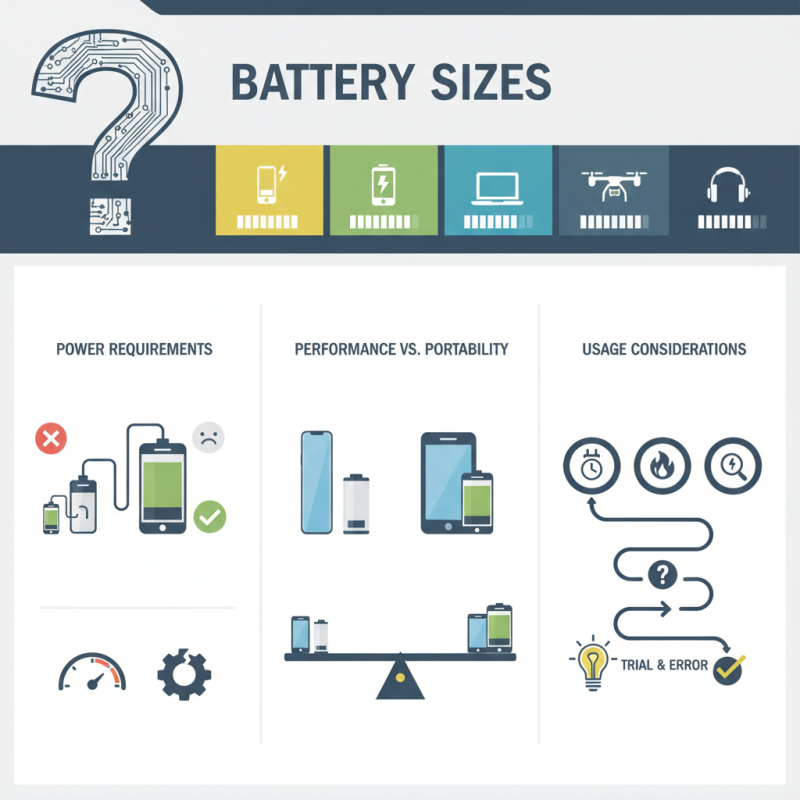
Choosing the right battery size for your devices can be challenging. Each device has unique power requirements. If you get it wrong, your device may underperform or fail to operate. John Marks, a battery technology expert, once said, "Understanding battery size is crucial for optimal device performance."
Battery size impacts how long your device runs. A phone with a tiny battery will die quickly. Conversely, a device with an oversized battery might be bulky. Balancing performance and portability requires careful consideration. Many users overlook this aspect when purchasing devices, leading to frustration.
When selecting battery size, consider specific usage. How often do you charge your device? Do you use power-hungry apps? There are many factors that play into this decision. Finding the right battery size is not always straightforward and may require some trial and error to see what works best for you.
Understanding Battery Sizes: A Comprehensive Guide
Understanding battery sizes is crucial for powering your devices efficiently. According to a recent industry report by the Battery Council International, over 70% of consumers struggle to pick the right battery size for their gadgets. Device manuals often list required battery types like AA, AAA, or CR2032. Each size varies in voltage and capacity, affecting device performance. For instance, a digital camera needs batteries with high milliampere-hour (mAh) ratings to last longer, unlike a remote control which uses less power.
Tips: Always check your device’s voltage requirements before buying batteries. Mismatched sizes can cause device malfunction or damage over time.
Battery capacity also matters. Larger batteries generally offer more mAh and longer life but may not fit every device. The International Electrotechnical Commission data shows that lithium-ion batteries provide more power density compared to alkaline ones. However, lithium-ion batteries’ price and rechargeability differ greatly from disposable types. It’s also worth noting that battery size standards can vary slightly between manufacturers, complicating universal compatibility. So, ignoring these nuances can lead to frustrating experiences.
Tips: Keep spare batteries of appropriate sizes handy. Test your device’s battery performance regularly to avoid unexpected power failures. Sometimes, seemingly small differences in battery size or chemistry affect device durability and efficiency more than expected.
Key Factors Influencing Battery Size Selection
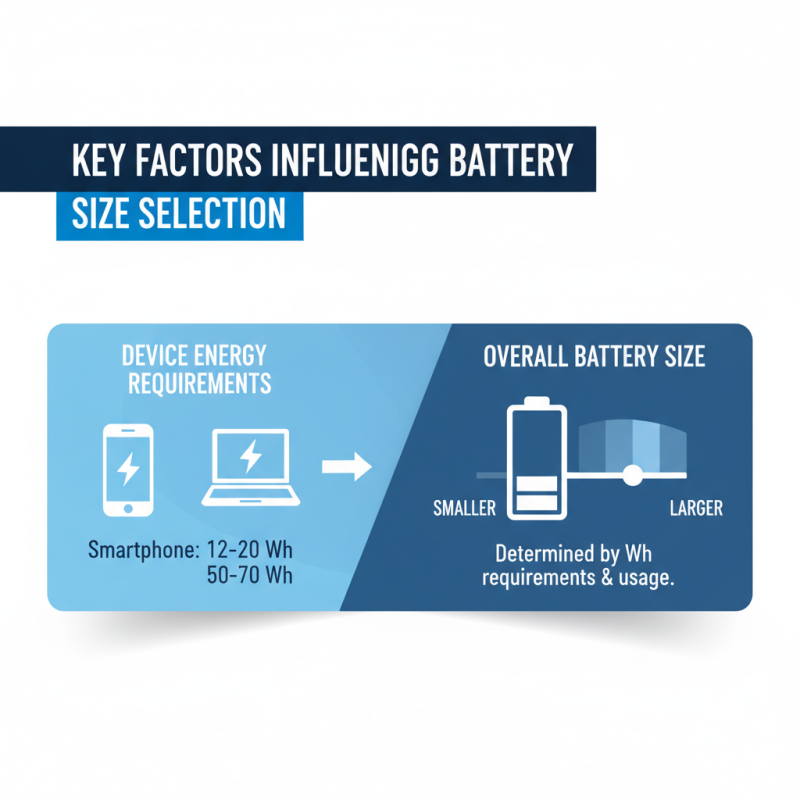
When choosing the right battery size for your devices, several key factors come into play. The energy requirements of the device are crucial. For instance, an average smartphone requires between 12 to 20 watt-hours, depending on usage. Likewise, laptops often demand significantly higher power, usually around 50 to 70 watt-hours. This variance can affect overall battery size.
Another important factor is device portability. Smaller devices, such as wearables or portable speakers, typically use compact batteries. These batteries may only provide 1 to 3 watt-hours. In contrast, larger devices like tablets or drones require larger battery sizes to ensure longer operation times. According to industry reports, battery density is critical. Higher energy density allows manufacturers to offer more power in a smaller size.
Safety and longevity are also important considerations. Large batteries carry risks such as overheating or swelling. A study by the National Renewable Energy Laboratory indicates that a battery's cycle life significantly affects its longevity. Shorter cycle lives may lead to more frequent replacements, ultimately affecting the user's experience. Understanding these factors can help you select an appropriate battery size for your specific needs.
Common Battery Types and Their Applications
When selecting a battery size for your devices, understanding common battery types is crucial. The most prevalent type is the lithium-ion battery, frequently used in smartphones and laptops. Research by the Battery Electronics Association claims that over 60% of consumer electronics now utilize lithium-ion batteries, reflecting their efficiency and energy density.
Nickel-metal hydride (NiMH) batteries are another common option. They are typically found in rechargeable household items, such as cameras and cordless tools. Data indicates that NiMH batteries can store 30% more energy than traditional nickel-cadmium batteries, which are becoming increasingly obsolete. However, NiMH batteries have a shorter lifespan compared to lithium-ion ones, leading to more frequent replacements.
Alkaline batteries, despite being less efficient, are still widely used for devices like remote controls and toys. They have a shelf life of up to ten years, but their poor performance in high-drain devices raises questions about their long-term sustainability. The Environmental Protection Agency suggests that more than 3 billion alkaline batteries are purchased each year, which creates significant waste. Understanding these various battery types aids in making informed decisions about energy needs and environmental impact.
What Battery Size Do I Need for My Devices? - Common Battery Types and Their Applications
| Battery Type |
Typical Voltage (V) |
Common Applications |
Capacity Range (mAh) |
| AA |
1.5 |
Remote controls, toys, flashlights |
1500 - 3000 |
| AAA |
1.5 |
TV remotes, small electronics |
800 - 1200 |
| 9V |
9 |
Smoke detectors, guitar pedals |
500 - 600 |
| 18650 |
3.7 |
Laptops, flashlights, e-cigarettes |
1500 - 3500 |
| CR2032 |
3 |
Watches, motherboards, key fobs |
220 - 240 |
| C |
1.5 |
Portable radios, toys |
4000 - 8000 |
| D |
1.5 |
Flashlights, large toys |
12000 - 18000 |
Estimating Battery Capacity for Specific Devices
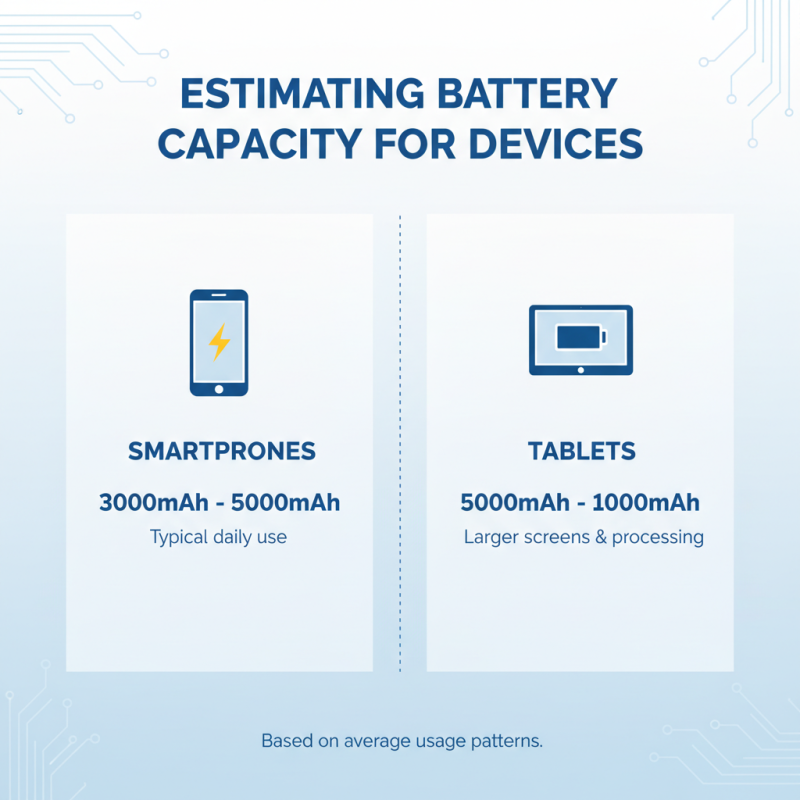
Estimating battery capacity for your devices requires understanding specific needs. Different devices have varying power demands based on usage patterns. For instance, smartphones usually need batteries with capacities between 3000mAh to 5000mAh to last a day. Tablets often require larger batteries, ranging from 5000mAh to 10000mAh, due to their larger screens and processing needs.
When considering a laptop, the requirement can be significant, often needing 4000mAh to 8000mAh or more, depending on performance requirements. A recent study by the Battery University indicates that over 70% of users underestimate their devices' power needs, leading to shorter usage times and frustrating experiences. Ensure to check the device's specifications for optimal capacity.
Tips: Always consider your usage habits. If you stream videos or play games, opt for a higher capacity. Don’t forget to monitor battery health; regular charging cycles impact longevity. Balancing battery size with efficiency is essential. For some users, a smaller battery may suffice but can lead to dissatisfaction during high-demand tasks. It’s important to reflect on how you utilize your devices before making a final choice.
Tips for Maintaining Optimal Battery Performance
Maintaining optimal battery performance is essential for the longevity of your devices. Understanding how to care for your battery can make a significant difference. Here are some tips to help you maximize your battery life.
Keep your devices cool. Heat can be battery's worst enemy. Avoid leaving devices in hot places or under direct sunlight. Excess heat can lead to battery damage over time. Monitor your device's temperature regularly to ensure it stays within the recommended range.
Charge your device wisely. Avoid letting your battery drain to zero frequently. Instead, charge it when it reaches around 20%. Regularly using quick charging can also strain the battery. Consider using a standard charger when possible.
Don’t forget to disable unnecessary features. Features like location services, Bluetooth, and notifications can drain the battery quickly. Turn them off when not in use. It’s a simple step, but it can enhance battery performance significantly.
Periodic recalibration can also help. Letting your device's battery drain completely and then fully charging it can keep the battery meter accurate. Just remember, it’s important not to do this too often. Balancing usage and care is key to maintaining your device's power source effectively.
Battery Size Requirements for Common Devices