In 2026, global beverage producers need more than a fast Cans Filling Machine. They need stable filling accuracy, hygienic design, flexible formats, and dependable technical support. A machine may run 36,000 cans per hour, yet poor changeover control can still reduce factory output. Speed is only one part of the decision.
Recent industry research supports this wider view. PMMI’s 2024 beverage machinery analysis identifies automation, labor efficiency, digital monitoring, and sustainability as major investment priorities. The Smithers report, The Future of Global Packaging to 2028, also links packaging growth with lightweight materials, recycling goals, and improved production efficiency. Meanwhile, Grand View Research continues to report steady expansion in beverage packaging and metal can applications. These findings suggest that buyers should assess total operating performance, not only the equipment price.
The best Cans Filling Machine depends on the product, can diameter, fill temperature, line layout, and local service capacity. Carbonated drinks require controlled pressure and accurate foam management. Still beverages demand careful hygiene and reliable liquid-level control. A small plant may value simple maintenance more than maximum speed. That point is often overlooked.
Real purchasing experience shows another risk. A technically impressive machine can underperform when spare parts arrive slowly. Buyers should verify factory acceptance tests, filling accuracy records, cleaning procedures, and operator training. Supplier references matter.
No machine wins every line. My evaluation may sound cautious, but production losses are expensive. This 2026 guide compares practical machine features, supplier reliability, operating costs, and global installation needs, helping buyers make a more defensible investment decision.
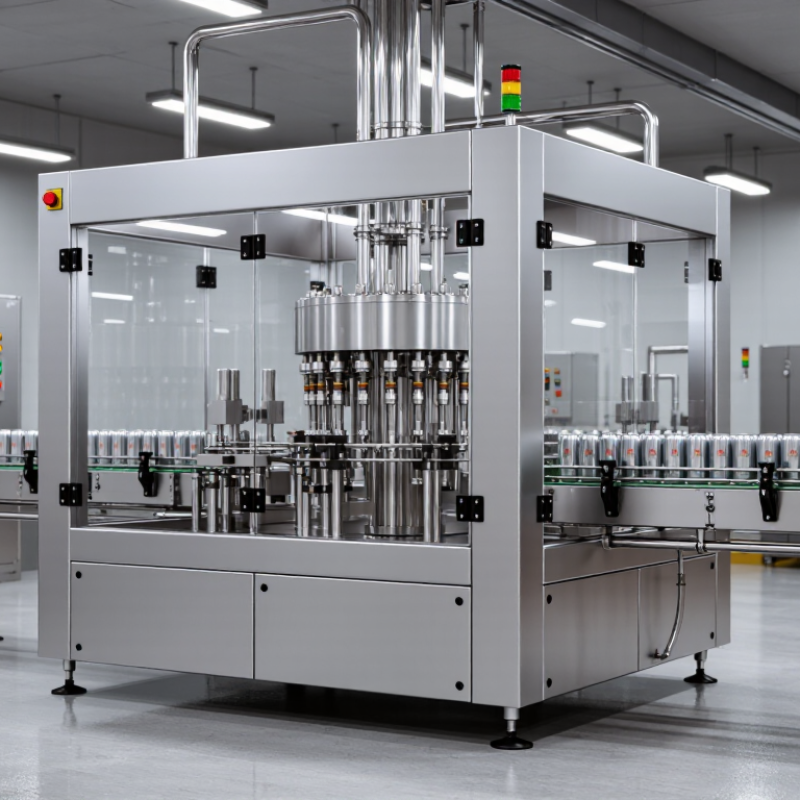
A cans filling machine transfers liquid products into empty cans with controlled speed and accuracy. In practical terms, it combines a conveyor, filling valves, sensors, and a control system. Empty cans enter the machine in a steady line. Sensors check their position before filling begins. Each can is lifted or aligned beneath a valve.
The valve opens for a measured period. Depending on the product, the machine may use gravity, pressure, or flow-meter filling. Carbonated drinks often require pressure control to reduce foam and product loss. Still liquids usually need simpler flow management. After filling, the cans move toward sealing equipment, where lids are attached and checked. Clean contact surfaces matter greatly. Even small residue can affect hygiene, flavor, or machine performance.
Real production work reveals an important weakness: speed is not the only measure of quality. Operators must inspect fill levels, temperature, foam, leaks, and rejected cans during each shift. A few unstable cans can signal poor alignment or changing product conditions. No machine performs perfectly without adjustment. Regular cleaning, calibration, and careful records improve reliability. Buyers should also examine material compatibility, changeover time, safety guards, and available technical support. A machine that looks efficient may create delays if operators cannot access its valves or controls. That detail is easy to overlook.
Choosing a can filling machine starts with the product, not the container. Carbonated drinks need counter-pressure filling to protect dissolved gas and reduce foaming. Still water, juice, and tea often suit gravity or volumetric fillers. Viscous products, such as sauces and soups, require piston or weight-based systems. Powdered products need auger fillers with dust control. PMMI’s 2024 State of the Industry report places U.S. packaging machinery shipments above 10 billion dollars in 2023, showing strong investment in automated equipment. Yet, the cheapest machine is rarely the safest choice.
For food cans, hot-fill systems can improve microbial control, while retort-compatible lines must tolerate heat, pressure, and repeated cleaning. Product temperature, viscosity, target weight, and can diameter should guide selection. Grand View Research’s Beverage Cans Market report projects continued market growth through 2030, increasing demand for faster changeovers and lower product loss. A practical factory test should measure fill accuracy, foam, oxygen pickup, seam quality, and cleaning time. Small differences matter. Counter-pressure systems may waste less beverage, but they often need tighter maintenance. Piston fillers handle thick products well, although their valves can wear sooner than expected. No machine is perfect. A realistic specification should include operator skill, spare-part access, sanitation procedures, and local electrical standards.
Selecting the best can filling machine in 2026 requires more than comparing advertised speed. Grand View Research estimated the global beverage cans market at about USD 58 billion in 2023, with continued growth through 2030. Higher demand makes stable output important, but maximum speed can hide costly weaknesses.
Ask for tested speed using your actual can diameter, product viscosity, and fill volume. A machine rated at 600 cans per minute may perform differently with foaming products or recycled aluminum cans. Check the complete test record, including startup losses, changeover time, and rejected cans. Filling accuracy should be measured by repeated samples, not one impressive result. ISO 5725 separates accuracy from precision, which matters here. A machine can fill consistently, yet miss the target volume.
Can compatibility needs practical inspection. Confirm contact-part materials, seam clearance, container height range, and sensor adjustment. PMMI’s beverage packaging research continues to identify flexibility and automation as important investment concerns. Ask whether recipes can be stored for different formats. During commissioning, operators should verify fill levels by weight and volume. Small differences become visible when pallets contain thousands of cans. A spreadsheet may look perfect. Real cans often disagree. I would also examine cleaning access and changeover ergonomics, because a fast filler is not efficient during long maintenance stops.
2026 Best Cans Filling Machine for Global Buyers
In 2026, global buyers need more than high speed. They need predictable filling accuracy across changing products, climates, and power conditions. A practical machine should support adjustable fill volumes, stable pressure control, and gentle can handling. Stainless steel contact parts simplify sanitation and resist corrosion in humid facilities. Cleanability matters daily.
Controls should offer clear multilingual screens, recipe permissions, alarms, and data records. These features help operators trace batch settings and investigate deviations. Remote diagnostics can reduce downtime, but only when secure access and local support are available. Check voltage, frequency, compressed-air quality, and water requirements before purchase. Small mismatches become expensive delays.
Reliable suppliers provide manuals, training, spare-parts lists, and documented factory testing. Ask for measured performance, not attractive estimates. Independent verification is wiser. A machine rated for 30,000 cans per hour may perform differently with foamy liquids, lightweight cans, or frequent changeovers. No machine is perfect. Buyers should test their own containers and product behavior. That step can expose weaknesses early, although it may slow procurement. Safety guarding, emergency stops, hygienic design, and applicable regional conformity documents should be reviewed by qualified professionals. Life-cycle cost also deserves attention, including energy use, maintenance labor, consumables, and future upgrades.
Common commercial can formats require flexible filling equipment, accurate volume control, hygienic construction, fast changeovers, and compatibility with different regional utilities. The chart shows widely used nominal can fill volumes that buyers should consider when selecting a machine format range.
2026 Best Cans Filling Machine for Global Buyers
A reliable cans filling machine starts with careful installation. Place it on a level floor, leaving space for cleaning and inspection. Connect utilities according to the technical manual, especially compressed air, water, drainage, and power. Confirm voltage and frequency before energizing the system. A rushed installation may run for one shift, then reveal unstable filling levels or leaking valves. That mistake is expensive to correct.
Maintenance should follow actual production conditions, not only calendar dates. Inspect filling nozzles, seals, conveyors, sensors, and lubrication points. Remove syrup, foam, or product residue before it hardens. Keep maintenance records with dates, replaced parts, and observed defects. Safety guards must remain closed during operation. Emergency stops should be tested under controlled conditions. Lockout procedures are essential before cleaning or repairs. Small shortcuts become serious risks.
Tips: Request installation drawings, spare-parts lists, wiring diagrams, and training materials before shipment. Check whether local technicians can service the machine. Export planning also requires suitable packaging, moisture protection, customs documents, and destination-country compliance. Confirm labeling, electrical standards, and food-contact material requirements early. Do not assume one configuration suits every market. It usually does not. Be realistic about operator skill, climate, and available technical support.
| Evaluation Dimension | Recommended Specification or Practice | Typical Data / Requirement | Buyer Considerations |
|---|---|---|---|
| Machine Type | Automatic counter-pressure can filler | Suitable for carbonated beverages, beer, sparkling water, and other products that require controlled pressure filling. | Provides better carbonation retention than atmospheric filling when the product and container require pressure control. |
| Machine Type | Atmospheric liquid filler | Suitable for non-carbonated water, juice, sauces, and other low-viscosity liquids. | Usually simpler to operate and maintain, but it is not the preferred choice for carbonated products. |
| Machine Type | Volumetric or piston filler | Suitable for products requiring controlled dosing, including some viscous or particulate-free liquids. | Confirm product viscosity, filling accuracy, cleaning method, and compatibility with the can format. |
| Typical Capacity | Small and medium production lines | Approximately 600–6,000 cans per hour, depending on the number of filling valves, can size, product, and operating conditions. | Use the supplier's tested output rather than the maximum theoretical speed when comparing offers. |
| Typical Capacity | High-speed production lines | More than 6,000 cans per hour may be achievable with multi-head fillers and integrated seaming, conveying, and control systems. | Verify line speed under the exact can diameter, height, product temperature, carbonation level, and packaging configuration. |
| Can Compatibility | Container dimensions | Common beverage cans often vary in diameter and height; the exact range must be confirmed before ordering. | Provide can drawings, opening dimensions, lid specifications, and sample containers for validation. |
| Filling Accuracy | Controlled fill volume | Accuracy depends on the filling principle, product properties, valve condition, pressure stability, and calibration. | Request a documented acceptance test using the buyer's product and containers. |
| Product Temperature | Temperature-controlled filling | Carbonated products are commonly filled cold to reduce foaming and improve fill consistency; the exact temperature depends on the product. | Coordinate the filler with the cooling system, product tank, piping, and carbon dioxide management system. |
| Utilities | Electrical supply | Confirm voltage, frequency, phase, connected load, and control-panel requirements before shipment. | Electrical specifications must match the destination country's industrial power supply and local installation rules. |
| Utilities | Compressed air | Typical pneumatic systems require clean, dry, oil-free compressed air; pressure and flow must be verified from the machine data sheet. | Provide filtration, a regulator, a dryer, and adequate receiver capacity where required. |
| Utilities | Water and drainage | Cleaning and sanitation require suitable water quality, drainage capacity, and hygienic floor design. | Plan drainage, splash control, wastewater handling, and access for cleaning around the filler. |
| Installation | Foundation and leveling | Install the machine on a stable, level floor capable of supporting the equipment and dynamic operating loads. | Check floor loading, anchor requirements, clearance, and access for maintenance before delivery. |
| Installation | Line integration | Coordinate infeed conveyors, rinsers, fillers, seamers, date coders, inspection devices, and discharge conveyors. | Confirm conveyor height, transfer points, line direction, control signals, and emergency-stop interfaces. |
| Installation | Commissioning procedure | Use dry runs, water trials, product trials, sanitation checks, fill-volume checks, and seam-quality verification. | Record test results and obtain operator training before final acceptance. |
| Sanitation | Product-contact materials | Food-contact parts should be suitable for the product, cleaning chemicals, temperature, and applicable food-contact requirements. | Request material certificates and a list of product-contact components, seals, and lubricants. |
| Sanitation | Cleaning method | Depending on the design, cleaning may use manual cleaning, clean-in-place procedures, or a combination of both. | Confirm chemical concentration, cleaning temperature, contact time, rinsing procedure, and verification method. |
| Routine Maintenance | Daily checks | Inspect leaks, abnormal noise, guards, sensors, fill valves, product lines, conveyor transfers, and emergency stops. | Use a signed checklist and correct minor faults before starting continuous production. |
| Routine Maintenance | Weekly or periodic checks | Inspect seals, clamps, pneumatic components, lubrication points, fasteners, valve movement, and sensor alignment. | Maintenance intervals should follow the equipment manual and actual operating hours. |
| Spare Parts | Recommended startup inventory | Keep critical seals, gaskets, valve springs, sensors, fuses, pneumatic fittings, belts, and lubrication materials available. | Request part numbers, exploded drawings, recommended quantities, shelf-life information, and lead times. |
| Safety | Machine guarding | Moving parts, rotating mechanisms, pinch points, hot surfaces, and pressurized areas should be protected by suitable guards. | Interlocked doors and guards should stop hazardous motion when opened or removed. |
| Safety | Emergency protection | Emergency-stop devices should be accessible from operator and maintenance positions and connected to the safety circuit. | Test emergency stops regularly and document reset and restart procedures. |
| Safety | Lockout and tagout | Before maintenance, isolate electrical, pneumatic, product-pressure, and other stored-energy sources. | Mandatory maintenance control Train authorized personnel in local lockout and tagout procedures. |
| Operator Training | Required training topics | Normal operation, changeover, sanitation, quality checks, alarm handling, emergency stops, and basic troubleshooting. | Training should be available in the operating team's working language and supported by manuals and diagrams. |
| Quality Control | Fill and seam inspection | Check fill level or volume, container appearance, leakage, vacuum or pressure where applicable, and can-seam integrity. | Use calibrated measuring equipment and define acceptable limits before production approval. |
| Control System | Automation and data access | Prefer clear alarms, recipe management, variable-speed control, access-level permissions, and production counters. | Confirm language options, data export, remote-support policy, cybersecurity controls, and backup procedures. |
| Changeover | Format-part replacement | Changing between can sizes may require guides, star wheels, filling components, sensors, and conveyor adjustments. | Ask for changeover time, required tools, adjustment points, and the complete format-parts list. |
| Documentation | Technical file | Obtain manuals, electrical diagrams, pneumatic diagrams, parts lists, maintenance schedules, risk information, and test records. | Documentation should match the delivered machine configuration and destination-market requirements. |
| Export Compliance | Destination-country requirements | Electrical safety, machinery safety, pressure equipment, food-contact, labeling, and electromagnetic-compatibility requirements may apply. | Confirm applicable regulations with the importer, local authorities, and a qualified compliance professional. |
| Export Packaging | Protection during transport | Use corrosion protection, moisture barriers, shock protection, secure blocking, and clearly marked lifting points. | Packaging should be appropriate for the selected transport mode, route, climate, and storage period. |
| Shipping Data | Commercial and logistics information | Prepare machine dimensions, gross and net weight, package count, center of gravity, lifting instructions, harmonized classification, and origin information. | Use accurate data for freight quotations, customs clearance, insurance, and warehouse planning. |
| Trade Terms | Delivery and responsibility split | Clarify the selected Incoterm, export clearance, freight, insurance, import clearance, duties, taxes, unloading, and inland delivery. | Put responsibilities, transfer of risk, documentation, and delivery milestones in the purchase contract. |
| After-Sales Support | Service response and remote assistance | Define spare-parts availability, technical response time, remote diagnostic access, training, and on-site service conditions. | Best practice Include service-level expectations and escalation contacts in the commercial agreement. |
| Acceptance Criteria | Factory and site acceptance tests | Assess capacity, fill consistency, product loss, sanitation performance, safety functions, changeover, and integration with upstream and downstream equipment. | Use a signed acceptance protocol based on the buyer's product, can format, utilities, and agreed operating conditions. |